
Beautiful Plants For Your Interior
Beautiful Plants For Your Interior
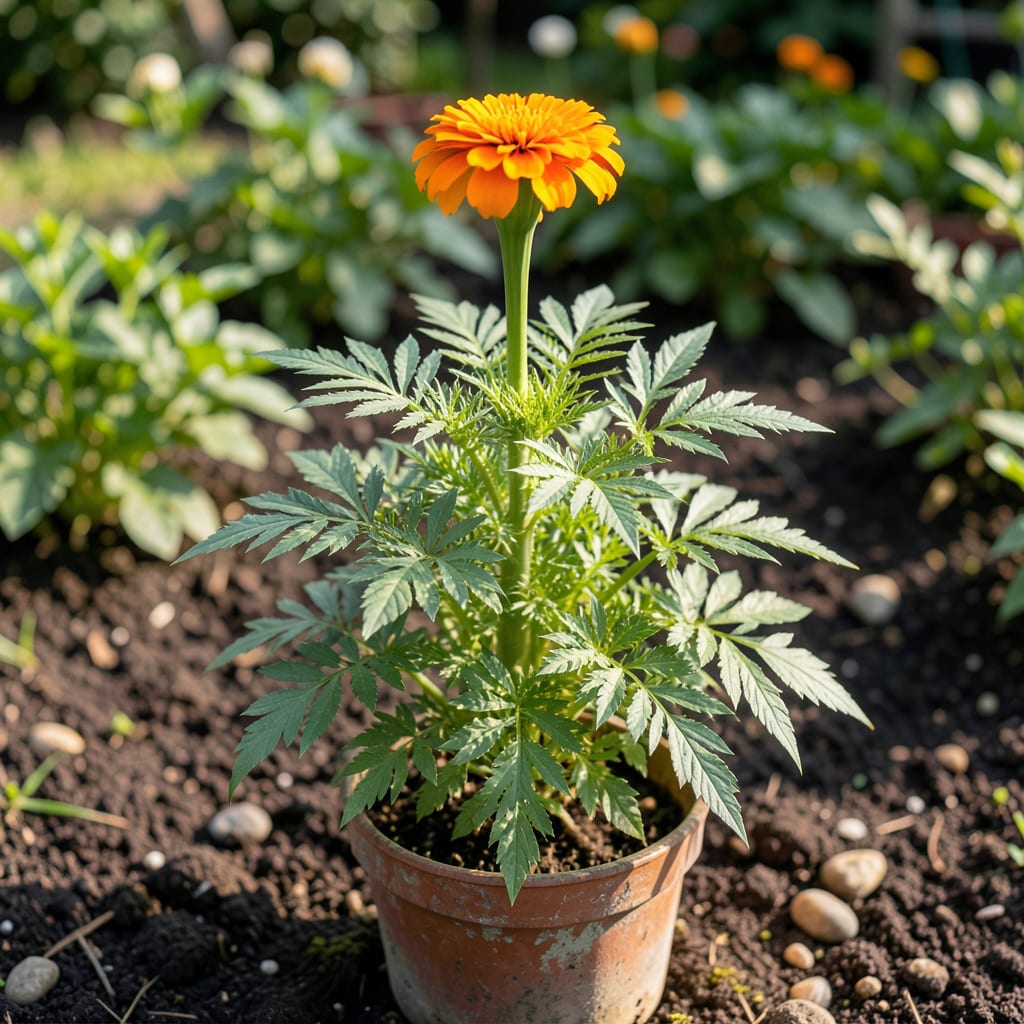
As spring arrives, Marigolds 💛 brighten up gardens with their vibrant colors. But have you ever wondered how long they’ll continue to bloom?
Understanding the blooming cycle of Marigolds is key to maximizing their beauty throughout the season in USDA Zone 6. Let’s explore what affects their flowering duration and how to encourage longer blooming periods.
Marigolds are known for their vibrant colors and relatively long blooming period. Typically, they start flowering 60-90 days after planting and continue to bloom until the first frost. In USDA Zone 6, this means they usually bloom from late spring through early fall 🌼.
The exact duration of marigold blooms depends on several factors, including the variety, climate, and growing conditions. Some marigold varieties are bred for longer blooming periods, while others may have a more compact flowering season.
Understanding these factors helps gardeners create optimal conditions for their marigolds. By choosing the right variety and providing appropriate care, you can enjoy longer blooming marigolds 🌺.
Marigolds generally require full sun and well-draining soil to bloom their best. In areas with poor soil, adding organic matter can improve soil quality and promote healthier plants. Regular deadheading also encourages more blooms throughout the season.
The typical blooming period for marigolds can last 3-4 months in ideal conditions. However, this can vary based on the specific growing conditions and the care provided to the plants.
Some gardeners find that African marigolds tend to have a longer blooming period compared to French marigolds, although both types can provide vibrant color throughout the growing season.
To maximize the blooming duration, it’s essential to maintain consistent watering and fertilization practices. Marigolds are relatively low-maintenance plants, but they still benefit from regular care.
In conclusion, understanding the factors that affect marigold bloom duration can help gardeners enjoy their beautiful flowers for a longer period. By providing optimal growing conditions and proper care, you can extend the blooming season of your marigolds 🌻.
Regular maintenance, such as deadheading and fertilizing, plays a crucial role in encouraging marigolds to continue blooming. This practice not only promotes more flowers but also keeps the plants looking their best.
Overall, with the right care and conditions, marigolds can be a stunning addition to any garden, providing vibrant color and beauty throughout the growing season 🌼.
To maximize your marigold’s blooming season, it’s essential to understand the importance of deadheading and proper fertilization. By removing spent flowers, you encourage the plant to produce more blooms, resulting in a longer flowering period 🌼.
Regular watering practices also play a crucial role in maintaining healthy marigolds. Ensure the soil is consistently moist but not waterlogged, as this can lead to root rot and reduce blooming 🌿.
Regularly remove spent flowers to encourage more blooms and maintain plant appearance.
Use a balanced fertilizer (10-10-10 NPK) every 4-6 weeks during the growing season.
Ensure marigolds receive full sun (6+ hours of direct sunlight) for optimal blooming.
By implementing these strategies, you can significantly extend the blooming season of your marigolds, enjoying their vibrant colors for a longer period 🌻.
Consistent care is key to maintaining healthy and blooming marigolds. Regularly inspect your plants for signs of stress or disease, and take action promptly to prevent any issues from affecting their blooming 🌿.
In addition to deadheading and fertilization, maintaining good soil quality is vital. Add organic matter to poor soil to improve its structure and fertility, promoting healthier plants and longer blooms 🌱.
Overall, with the right care and attention, marigolds can be a stunning addition to any garden, providing vibrant color and beauty throughout the growing season 🌼.
When growing marigolds, gardeners often make mistakes that can significantly shorten their blooming periods. One of the most common errors is overwatering, which can lead to root rot and reduce flowering 🌿.
Another critical mistake is neglecting soil quality. Marigolds thrive in well-draining soil, and poor soil conditions can stress the plants, reducing their blooming capacity. Adding organic matter can help improve soil structure and fertility 🌱.
Avoid common pitfalls like overwatering and poor soil conditions to keep your marigolds blooming longer.
Lack of maintenance is another factor that can shorten marigold blooming periods. Failing to deadhead regularly can reduce the number of blooms, as the plant focuses energy on seed production rather than flowering 🌼.
To prevent these issues, ensure you’re providing your marigolds with the right conditions and care. This includes proper watering, good soil quality, and regular maintenance 🌻.
By avoiding these common mistakes, you can help extend the blooming season of your marigolds and enjoy their vibrant colors for a longer period 🌺.
Regularly inspecting your plants and taking prompt action can also help prevent issues from affecting their blooming. This proactive approach ensures your marigolds remain healthy and continue to bloom throughout the growing season 🌿.
Overall, being mindful of these potential pitfalls and taking steps to avoid them can significantly improve the blooming performance of your marigolds 🌼.
Marigolds usually bloom for 3-4 months in ideal conditions, starting 60-90 days after planting and continuing until the first frost. In USDA Zone 6, this means they typically bloom from late spring through early fall .
The blooming duration of marigolds depends on several factors, including the variety, climate, and growing conditions. Warmer climates and well-draining soil can promote longer blooming periods. Some marigold varieties are bred for longer blooming periods, while others may have a more compact flowering season .
To extend the blooming season,
What are common mistakes that can shorten marigold blooming periods? Common mistakes include overwatering, which can lead to root rot, and neglecting soil quality, which can stress the plants. Failing to deadhead regularly can also reduce the number of blooms. Avoid these pitfalls to keep your marigolds blooming longer .
