
Beautiful Plants For Your Interior
Beautiful Plants For Your Interior
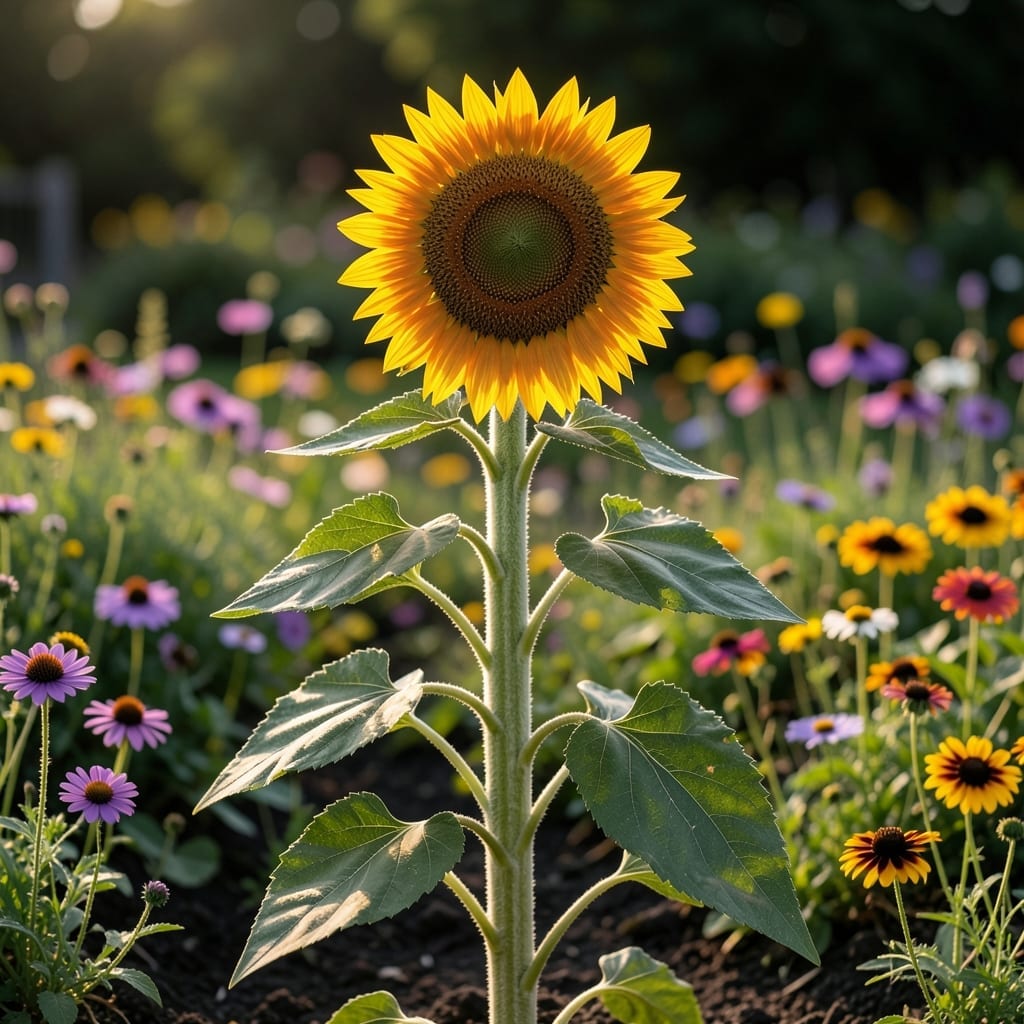
Watching a Mammoth Sunflower 🌻 transform from a tiny seed into a towering 12-foot giant is one of gardening’s most spectacular experiences. But timing is everything when you want those impressive blooms.
I remember planting my first batch and being amazed at how quickly they shot up. Yet without knowing the exact growth stages, it’s easy to miss the window for optimal development.
From the moment you plant those seeds in spring, the countdown begins. Understanding each phase helps you provide the right care at the right time for the best results.
Discover the timeline from planting to full bloom so you can plan your garden for maximum impact. The journey from seed to towering beauty is worth every moment.


If you’ve ever wondered how long mammoth sunflowers take to grow, the answer depends on understanding each distinct phase. From the moment you plant those seeds, you’re looking at roughly 70 to 120 days until full maturity.
I’ve found that the journey can be broken down into clear stages, each with its own timeline and care requirements. Knowing these helps you anticipate needs and adjust your approach for the best results.
| Stage | Duration | Key Action |
|---|---|---|
| Germination | 7-14 days | Keep soil moist and warm |
| Seedling | 2-3 weeks | Thin to 12-18 inches apart |
| Vegetative | 4-6 weeks | Provide full sun and fertilizer |
| Flowering | 6-8 weeks | Support tall stems with stakes |
| Maturity | 70-120 days | Harvest seeds when heads droop |
The germination stage is the first critical period. With soil temperatures above 55°F, seeds typically sprout within 7 to 14 days. I always check the soil temperature with a simple thermometer to ensure conditions are right.
Once sprouted, the seedling stage lasts about 2 to 3 weeks. This is when you’ll see the first true leaves emerge. It’s important to thin seedlings to 12-18 inches apart to prevent overcrowding and ensure strong growth.
During the vegetative stage, your mammoth sunflowers will grow rapidly, adding several inches per week. This phase usually lasts 4 to 6 weeks. Providing full sun and a balanced fertilizer will support this growth spurt.
The flowering stage is when the magic happens. Over 6 to 8 weeks, buds form and eventually open into those iconic, massive blooms. Staking the plants at this point helps prevent them from toppling over in wind or rain.
Finally, maturity is reached in 70 to 120 days. You’ll know it’s time to harvest when the back of the flower head turns yellow or brown and the seeds look plump. This is when your hard work pays off with a stunning display.
Environmental factors like sunlight, water, and soil quality can influence this timeline. Cooler temperatures or insufficient light might extend the growth period, so I always recommend planting in the warmest part of the season.
With proper care and attention to each stage, you’ll be rewarded with sunflowers that reach 8 to 12 feet tall, a true testament to nature’s grandeur 🌻
Growing Mammoth Sunflowers quickly depends on a few key conditions. I’ve found that soil temperature is the biggest game-changer—seeds won’t germinate well below 55°F. Warmer soil speeds up sprouting significantly.
Next, sunlight exposure makes a huge difference. These giants need 6-8 hours of direct sun daily. Without it, they’ll grow leggy and weak, delaying their impressive height and bloom.
Watering plays a critical role too. I aim for deep watering once a week rather than daily light sprinkles. This encourages deep root growth, which helps the plant anchor itself and grow taller faster.
Don’t overlook fertilization. A balanced 5-10-10 fertilizer every 4-6 weeks gives them the nutrients they need. But be careful—too much nitrogen can lead to leafy growth at the expense of flowers.
One common mistake I see is crowding seeds. Plant them 12-18 inches apart to prevent competition for resources. This spacing ensures each plant gets enough light, water, and nutrients to reach its full potential.
Finally, watch for pests like aphids or disease such as powdery mildew. These can slow growth dramatically. Regular checks and organic treatments keep your sunflowers on track for that 70-120 day timeline to maturity. 🌻