
Beautiful Plants For Your Interior
Beautiful Plants For Your Interior
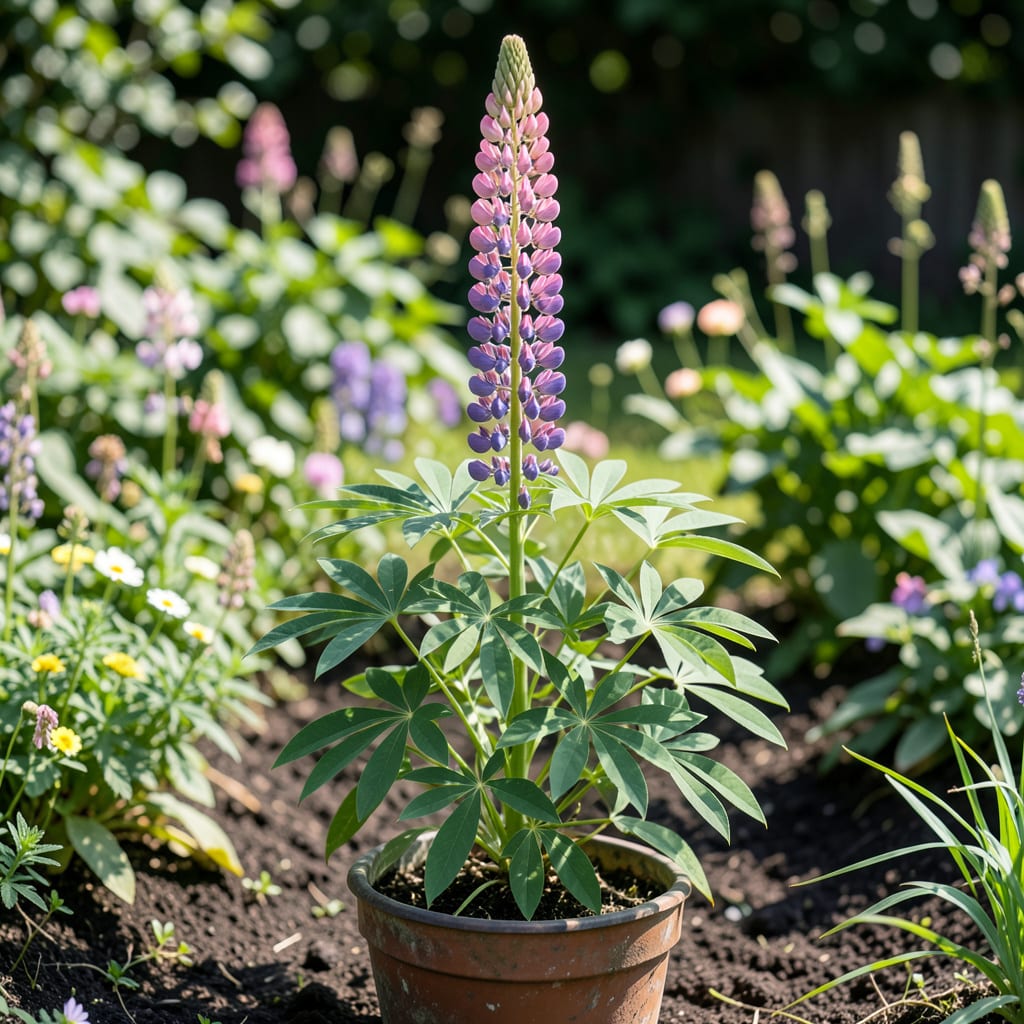
As a gardener, I love watching Lupine 💐 bloom in my garden. These beautiful flowers bring vibrant colors and tall spikes that are hard to miss. But how long can you expect them to bloom?
Lupines typically bloom for 3-4 weeks in USDA Zone 6 during the spring season. With proper care, you can enjoy their beauty for a longer period. Let’s explore the factors that affect their blooming duration and how to make the most of it.
Lupines are known for their vibrant colors and tall spikes, making them a delightful addition to any garden. Understanding their blooming period is crucial for maximizing their beauty and planning your garden effectively.
The typical blooming duration of lupines is 3-4 weeks, usually occurring in late spring to early summer. This period can vary based on several factors, including climate, soil conditions, and specific lupine varieties.
Climate plays a significant role in determining the blooming period of lupines. In regions with cooler temperatures and adequate moisture, lupines tend to bloom longer. Conversely, hot and dry conditions can shorten the blooming duration.
Soil conditions are another critical factor. Lupines prefer well-draining soil with a slightly acidic to neutral pH. Poor soil conditions can stress the plants, potentially reducing their blooming period.
The specific variety of lupine also influences its blooming duration. Some varieties are bred for longer blooming periods, while others may have a more compact blooming season.
To make the most of your lupines’ blooming period, it’s essential to plant multiple varieties with different blooming times. This strategy can extend the overall blooming season in your garden.
Additionally, proper care such as regular watering, appropriate fertilization, and deadheading can help maintain the health and vigor of lupine plants, potentially extending their blooming period.
By understanding these factors and implementing appropriate gardening practices, you can enjoy the beauty of lupines in your garden for a longer period.
Lupines continue to be a popular choice among gardeners due to their striking appearance and ability to attract pollinators. Their blooming period, although relatively short, is a highlight of the gardening season for many.
For gardeners looking to maximize their lupine display, planning and care are key. By selecting the right varieties and providing optimal growing conditions, you can enjoy a vibrant lupine bloom that enhances your garden’s beauty 🌼.
To maximize the blooming period of lupines, understanding their care requirements is essential. Proper gardening practices can significantly extend their flowering season, providing a more vibrant display in your garden.
One effective method to prolong lupine blooming is through deadheading. Removing spent flowers encourages the plant to produce additional blooms, thus extending the overall blooming period.
Ensure well-draining soil with a slightly acidic to neutral pH to support healthy lupine growth.
Provide full sun with at least 6 hours of direct sunlight daily for optimal blooming.
Maintain consistent moisture during the growing season, especially during dry spells, to promote healthy blooming.
By implementing these strategies, you can enjoy a longer and more vibrant lupine blooming season in your garden. Regular care and attention to the specific needs of lupines will ensure they continue to thrive and provide a stunning display 🌼.
Lupines are not only beautiful but also attract pollinators, making them a valuable addition to any garden. Their tall spikes and vibrant colors add a unique element to garden landscapes.
For gardeners looking to enhance their lupine display, consider planting multiple varieties to extend the blooming season further. This approach can create a dynamic and continuously blooming garden feature.
With the right care and conditions, lupines can be a long-lasting and rewarding garden addition. Their beauty and benefits make them a popular choice among gardeners.
When growing lupines, gardeners often make mistakes that can significantly shorten their blooming period. Understanding these common errors is crucial for maximizing the beauty and flowering duration of these plants.
One of the most common mistakes is improper planting. Lupines have a deep taproot, and damaging it during planting can stress the plant, reducing its blooming period. To avoid this, it’s essential to plant lupines carefully, ensuring minimal disturbance to their roots.
Watch out for these gardening errors that can shorten lupine blooming periods, including poor soil conditions and maintenance mistakes.
Poor soil conditions are another critical factor that can affect lupine blooming. Lupines thrive in well-draining soil with a slightly acidic to neutral pH. Soil that is too heavy or poorly draining can cause root rot, stressing the plant and reducing its blooming duration.
Inadequate watering is also a common mistake. Lupines require consistent moisture, especially during their growing season. However, overwatering can be detrimental, leading to root rot and other issues. Finding the right balance is key to maintaining healthy plants and maximizing their blooming period.
Failure to deadhead spent flowers is another error that can shorten the blooming period. Deadheading encourages the plant to produce additional blooms, thus extending the overall blooming season. By removing spent flowers, you can promote more vigorous flowering.
By avoiding these common mistakes and providing optimal growing conditions, you can enjoy a longer and more vibrant lupine blooming season in your garden. Proper care and attention to the specific needs of lupines will ensure they continue to thrive and provide a stunning display 🌼.
Lupines are a valuable addition to any garden, not only for their beauty but also for their ability to attract pollinators. Their tall spikes and vibrant colors add a unique element to garden landscapes, making them a popular choice among gardeners.
For gardeners looking to enhance their lupine display, consider planting multiple varieties to extend the blooming season further. This approach can create a dynamic and continuously blooming garden feature.
With the right care and conditions, lupines can be a long-lasting and rewarding garden addition. Their beauty and benefits make them a popular choice among gardeners.
Lupines usually bloom for 3-4 weeks in late spring to early summer. The exact duration can vary depending on climate, soil conditions, and specific lupine varieties. Proper care can help maximize their blooming period .
Several factors influence lupine blooming, including climate, soil conditions, and the specific lupine variety. Cooler temperatures and adequate moisture can help extend the blooming period, while hot and dry conditions can shorten it.
Yes, you can extend the blooming season by planting multiple lupine varieties with different blooming times. Additionally, practices like deadheading, proper soil care, and adequate watering can help prolong the blooming period. Regular care maintains plant health and vigor .
Common mistakes include improper planting, poor soil conditions, and inadequate watering. Avoid damaging the deep taproot during planting, ensure well-draining soil, and maintain consistent moisture to support healthy blooming. Proper care helps prevent stress and promotes longer blooming .
