
Beautiful Plants For Your Interior
Beautiful Plants For Your Interior
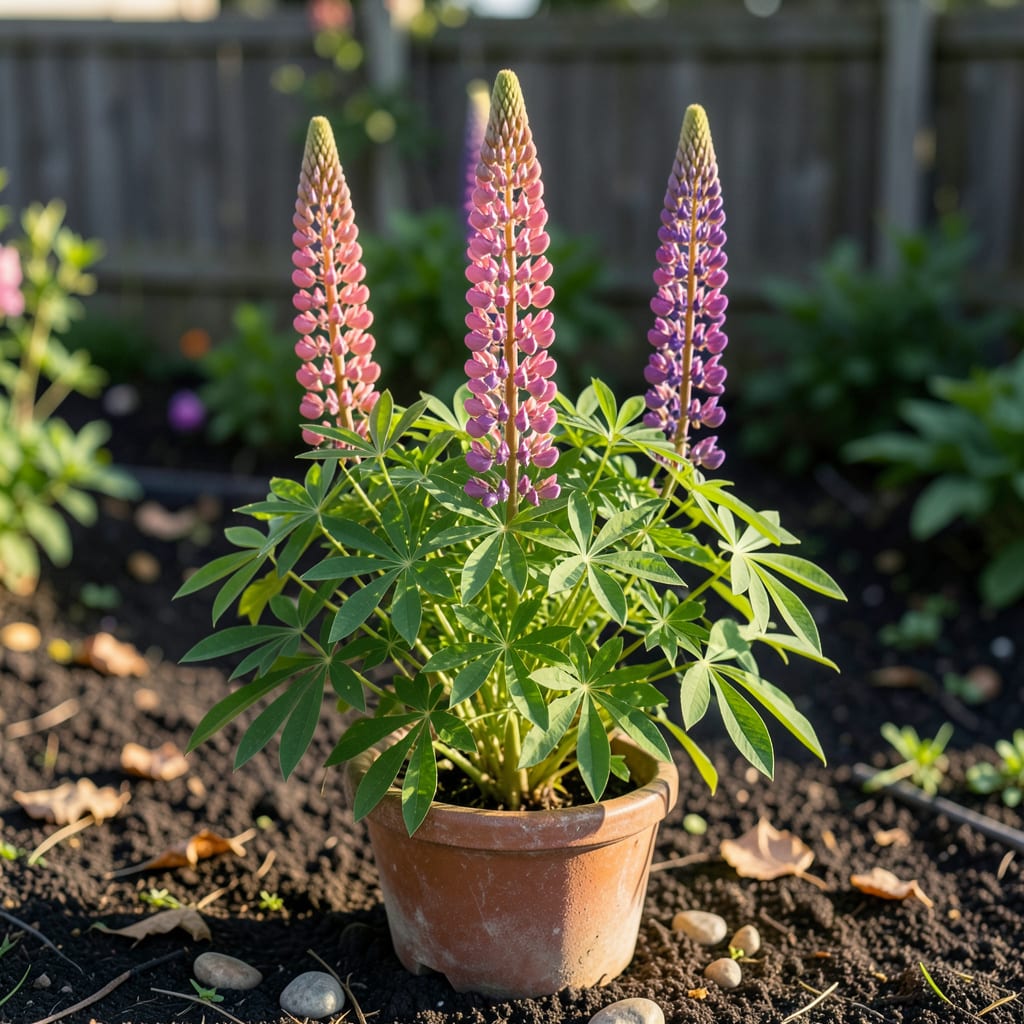
Lupines 🌼 are a gardener’s delight with their vibrant colors and tall spikes, but understanding their blooming cycle is key to maximizing their beauty in USDA Zone 6. The blooming period typically lasts 3-4 weeks in spring.
Factors like soil quality, sunlight, and proper care can affect how long lupines bloom. I’ll share expert tips on how to encourage optimal blooming and make the most of these stunning flowers in your garden.
Lupines are known for their vibrant colors and tall spikes, but understanding their blooming cycle is crucial for maximizing their beauty in your garden. The typical blooming period for lupines is 3-4 weeks during the spring season 🌼.
The exact duration of lupine blooms can vary based on several factors, including the specific species, climate conditions, and soil quality. Generally, lupines bloom in early to late spring, with some varieties flowering for longer periods than others.
One of the key factors influencing lupine bloom duration is soil quality. Lupines thrive in well-draining, slightly acidic soil with a pH between 6.0 and 7.0. Poor soil conditions can lead to shorter blooming periods.
Climate and temperature also play a significant role in determining how long lupines bloom. In general, lupines prefer cooler temperatures and can be sensitive to extreme heat. In regions with mild springs, lupines tend to bloom for longer periods.
The specific lupine species can also impact the blooming duration. Some varieties, like the Lupinus polyphyllus, are known for their longer blooming periods compared to others.
To maximize the blooming period, it’s essential to understand these factors and provide optimal growing conditions for your lupines. Proper care and maintenance can help extend the flowering season and keep your lupines healthy and vibrant 🌼.
Lupines are generally considered low maintenance plants, but they do require some specific care to bloom their best. Understanding their watering needs and sunlight requirements is crucial for optimal blooming.
These plants prefer consistent moisture, especially during their active growing season. However, they are relatively drought tolerant once established.
In terms of sunlight, lupines thrive in full sun to partial shade. They require at least 6 hours of direct sunlight per day to produce the best blooms.
By understanding these key factors and providing the right conditions, you can enjoy your lupines’ beautiful blooms for as long as possible. Proper care and attention to their needs will help ensure a vibrant and healthy flowering season 🌼.
For more specific guidance on caring for lupines, including tips on deadheading and soil preparation, continue reading the next section for expert advice on extending your lupine blooming season.
To maximize your lupine’s blooming season, it’s essential to understand the factors that influence their flowering duration. By providing optimal growing conditions and proper care, you can enjoy your lupines’ vibrant blooms for a longer period 🌼.
Here are some expert tips to help you extend your lupine blooming season:
Remove spent flowers to encourage more blooms and prevent seed production, which can divert energy from flowering 🌼.
Maintain well-draining, slightly acidic soil with a pH between 6.0 and 7.0 to promote healthy growth and blooming 🌿.
Provide full sun to partial shade with at least 6 hours of direct sunlight per day to support optimal blooming ☀️.
Choose lupine varieties known for their longer blooming periods, such as Lupinus polyphyllus, to enjoy more extended flowering seasons 🌸.
By implementing these tips, you can create an optimal environment for your lupines to thrive and bloom for a longer period. Proper care and attention to their needs will help ensure a vibrant and healthy flowering season 🌼.
For more information on common mistakes to avoid when caring for lupines, continue reading the next section for expert advice on maintaining healthy and thriving plants 🌿.
When growing lupines, gardeners often make mistakes that can significantly shorten their blooming period. Understanding these common errors is crucial for maintaining healthy plants and maximizing their flowering season 🌼.
Improper watering, poor soil conditions, and maintenance mistakes can all negatively impact lupine blooming periods. Being aware of these issues can help you take corrective action.
One of the most common mistakes is improper watering. Lupines prefer consistent moisture, especially during their active growing season. However, they are relatively drought tolerant once established. Overwatering can lead to root rot, while underwatering can cause stress and reduce blooming 💧.
Poor soil conditions are another critical factor that can shorten lupine bloom periods. Lupines thrive in well-draining, slightly acidic soil with a pH between 6.0 and 7.0. Soil that is too dense or alkaline can hinder plant growth and reduce flowering 🌿.
Maintenance mistakes, such as failing to deadhead spent flowers, can also impact blooming duration. Deadheading encourages more blooms and prevents seed production, which can divert energy from flowering. Regular maintenance is essential for optimal blooming 🌼.
By avoiding these common mistakes, you can create an optimal environment for your lupines to thrive and bloom for a longer period. Proper care and attention to their needs will help ensure a vibrant and healthy flowering season 🌸.
To further enhance your lupine care, consider exploring additional resources on lupine cultivation and maintenance. This will help you stay informed about best practices and new techniques to improve your gardening skills 📚.
For more detailed information on lupine care and maintenance, you can visit the Lupine Care Guide for comprehensive tips and advice 🌼.
Lupines usually bloom for 3-4 weeks during the spring season. The exact duration can vary depending on factors like soil quality, climate, and specific variety .
Several factors influence how long lupines bloom, including soil quality, climate conditions, and sunlight exposure. Lupines thrive in well-draining, slightly acidic soil and prefer cooler temperatures .
Yes, you can extend the blooming season by deadheading spent flowers, maintaining optimal soil conditions, and providing adequate sunlight. Choosing varieties known for longer blooming periods can also help .
Common mistakes include improper watering, poor soil conditions, and failing to deadhead spent flowers. Avoiding these errors can help ensure a longer and healthier blooming season .
