
Beautiful Plants For Your Interior
Beautiful Plants For Your Interior
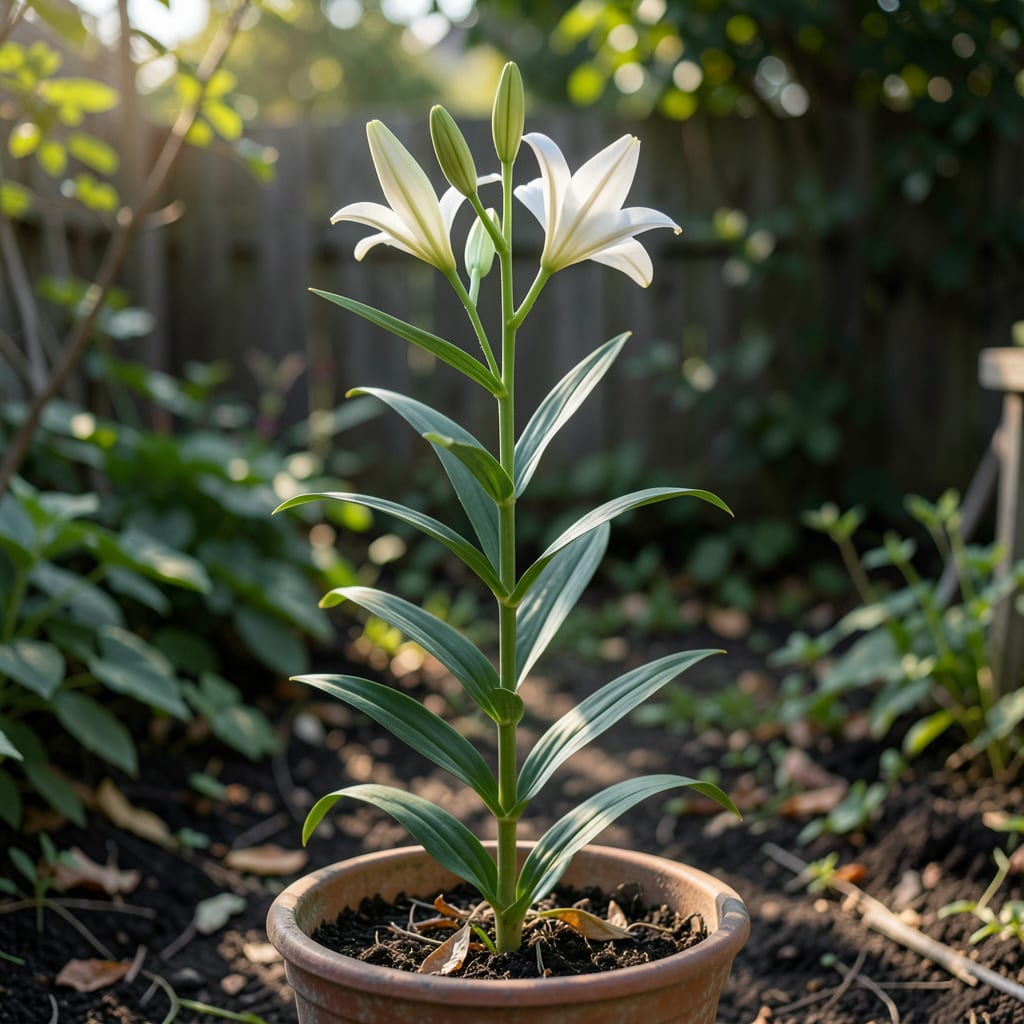
As a gardener, I’ve always been fascinated by lilies 💐. Understanding how long they take to bloom is key to planning a stunning garden display. The blooming period can vary, but with proper care, you can enjoy these beautiful flowers in as little as 60 days after planting.
Lilies are relatively easy to grow, thriving in USDA Zone 6 with proper sunlight and watering. By following expert tips on care and maintenance, you can optimize their growth and enjoy their gorgeous blooms in the summer. Let’s dive into the details.
Understanding the blooming timeline of lilies is essential for gardeners who want to enjoy these beautiful flowers. Typically, lilies take 60 to 120 days to bloom after planting, depending on the variety and growing conditions.
The growth cycle of lilies can be broken down into several stages. First, the bulbs sprout and grow foliage, which can take 2-4 weeks. Then, the flower buds form and eventually bloom, usually within 8-12 weeks after planting. Proper care during these stages is crucial for optimal blooming.
The exact blooming time can vary depending on factors such as climate, soil quality, and sunlight exposure. In general, lilies prefer full sun to partial shade and well-draining soil to bloom optimally.
For gardeners, it’s also important to note that lilies are typically planted in the fall or early spring. This allows them to establish themselves before the blooming season. With proper care, including regular watering and fertilization, lilies can bloom for several weeks, providing a stunning display of color in the garden 🌼.
Lily bulbs should be planted 3 times deeper than their height to ensure proper root development and blooming. The ideal time for planting is during the cooler months, either in fall (September to November) or early spring (March to May), depending on your location.
To encourage healthy blooming, it’s essential to provide lilies with the right growing conditions. This includes ensuring they receive adequate sunlight and are planted in well-draining soil. Regular maintenance, such as deadheading spent blooms and fertilizing after blooming, can also promote vigorous growth and blooming.
In addition to proper planting and care, understanding the specific needs of your lily variety can help you anticipate and optimize their blooming period. Some lilies, like Asiatic lilies, tend to bloom earlier than others, such as Oriental lilies.
By following these guidelines and providing the right conditions, you can enjoy a beautiful and prolonged lily blooming season. Whether you’re a seasoned gardener or just starting out, lilies can be a rewarding addition to your garden, offering stunning blooms and a touch of elegance 🌸.
Overall, the key to successful lily cultivation is understanding their growth cycle and providing the appropriate care at each stage. With patience and the right techniques, you can enjoy the beauty of lilies in your garden for years to come.
For more detailed information on lily care and other gardening tips, be sure to check out additional resources and expert advice to further enhance your gardening experience.
Understanding the factors that influence lily blooming is crucial for gardeners who want to optimize their garden’s beauty. Several key elements can affect how long lilies take to bloom, including sunlight, soil quality, watering, and fertilization.
Lilies require adequate sunlight to bloom well. Most varieties prefer full sun to partial shade, meaning they need at least 6 hours of direct sunlight per day. Insufficient sunlight can lead to weak and spindly growth, delaying blooming.
Lilies thrive in well-draining soil rich in organic matter. Poor soil quality can delay blooming by 2-4 weeks. Amending the soil with compost can improve drainage and fertility 🌿.
Soil quality is another critical factor. Lilies thrive in well-draining soil that is rich in organic matter. Poor soil can delay blooming and reduce flower quality. Amending the soil with compost or other organic materials can improve its structure and fertility.
Watering practices also play a significant role. Lilies need consistent moisture during the growing season, especially when they are producing buds and flowers. However, overwatering can be detrimental, leading to root rot and other problems. A balanced watering schedule is essential.
Fertilization is another important aspect. Feeding lilies with a balanced fertilizer during the growing season can promote healthy growth and blooming. It’s recommended to fertilize lilies after they finish blooming to help replenish the bulb’s energy for the next year’s bloom.
By understanding and managing these factors, gardeners can create optimal conditions for their lilies to bloom. This includes ensuring they receive the right amount of sunlight, are planted in good soil, and are watered and fertilized appropriately. With proper care, lilies can bloom beautifully, providing a stunning display in the garden 🌼.
In addition to these factors, climate and temperature can also influence lily blooming. Lilies generally thrive in temperate climates with cool winters and warm summers. Extreme temperatures can affect blooming time and flower quality.
Overall, the key to successful lily cultivation is providing the right growing conditions and care. By paying attention to sunlight, soil quality, watering, and fertilization, gardeners can enjoy a vibrant and prolonged lily blooming season 🌸.
To encourage faster lily blooms, it’s essential to provide optimal growing conditions. This includes ensuring they receive adequate sunlight and are planted in well-draining soil. Regular maintenance, such as deadheading spent blooms and fertilizing after blooming, can also promote vigorous growth and blooming 🌼.
Plant lily bulbs 3 times deeper than their height to ensure proper root development and blooming.
Ensure lilies receive 6+ hours of direct sunlight per day for optimal blooming.
Keep the soil consistently moist during the growing season, but avoid overwatering.
By following these expert tips, you can create an optimal environment for your lilies to bloom. This includes providing the right growing conditions and regular maintenance to promote healthy growth and blooming 🌸.
In addition to these tips, understanding the specific needs of your lily variety can help you anticipate and optimize their blooming period. Some lilies, like Asiatic lilies, tend to bloom earlier than others, such as Oriental lilies. By tailoring your care practices to the specific needs of your lilies, you can enjoy a beautiful and prolonged blooming season.
Overall, the key to successful lily cultivation is providing the right growing conditions and care. By paying attention to planting depth, sunlight, and watering, gardeners can enjoy a vibrant and prolonged lily blooming season 🌼.
Lily bulbs typically take 2-4 weeks to sprout after planting, depending on factors like soil quality and temperature. Proper care during this period is crucial for optimal growth. Keep the soil consistently moist and provide adequate sunlight.
Yes, lilies can bloom in the first year after planting if conditions are right. Most varieties bloom within 60-120 days after planting. Ensure they receive full sun to partial shade and are planted in well-draining soil for optimal results.
Lilies may not bloom due to insufficient sunlight, poor soil quality, or improper watering. Check that your lilies receive at least 6 hours of direct sunlight daily and are planted in soil rich in organic matter. Adjust your care routine accordingly.
Lilies need consistent moisture during the growing season. Water them weekly, ensuring the soil remains moist but not waterlogged. Adjust based on weather conditions to prevent overwatering, which can lead to root rot.
