
Beautiful Plants For Your Interior
Beautiful Plants For Your Interior
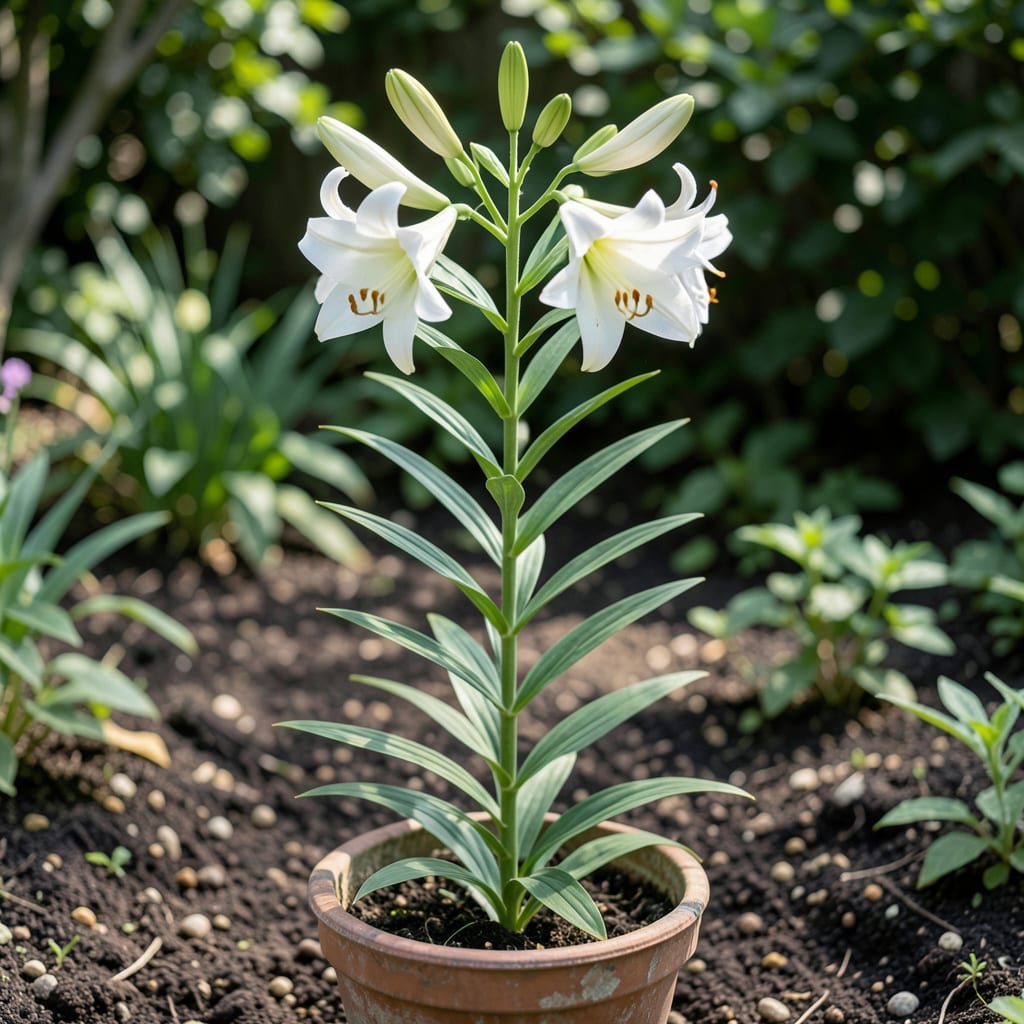
As spring arrives, my garden comes alive with beautiful 💐 Lilies. But how long can I enjoy their stunning blooms? The blooming period varies depending on factors like variety and growing conditions.
In USDA Zone 6, where I garden, Lilies typically bloom for several weeks during the summer months. Let’s explore what affects their blooming duration and how to make the most of their flowering season.
Lilies are a popular choice for gardeners due to their beautiful and fragrant flowers. The blooming period of lilies can vary depending on several factors, including the type of lily, climate, and care practices. In general, lilies can bloom for several weeks during the summer months.
The blooming duration of lilies can range from 2 to 6 weeks, depending on the variety. Some types of lilies, such as Asiatic lilies, tend to bloom for a shorter period, while others, like Oriental lilies, can bloom for a longer duration. Climate and weather conditions also play a significant role in determining the blooming period of lilies 🌼.
To maximize the blooming period of lilies, it’s essential to provide them with proper care. This includes planting them in well-draining soil, providing adequate sunlight, and watering them regularly. Fertilizing lilies during the growing season can also promote healthy growth and extend the blooming period 🌱.
The climate and weather conditions in your area can also impact the blooming duration of lilies. Lilies prefer full sun to partial shade and well-draining soil. In areas with hot summers, lilies may require more frequent watering to prevent stress 🌞.
In addition to proper care, the type of lily can also affect the blooming duration. Some lily varieties are bred specifically for their long blooming period, while others may have a shorter blooming season. By choosing a mix of lily varieties, you can enjoy a longer overall blooming season in your garden 💐.
Understanding the factors that affect lily bloom duration can help you plan and care for your lilies more effectively. By providing the right conditions and care, you can enjoy a beautiful and prolonged blooming season 🌼.
Lilies are a versatile and beautiful addition to any garden. With proper planning and care, you can enjoy their blooms for weeks to come. Whether you’re a seasoned gardener or just starting out, lilies are a great choice for adding color and fragrance to your outdoor space 🌺.
By following the tips and guidelines outlined above, you can maximize the blooming period of your lilies and enjoy their beauty throughout the growing season. With a little care and attention, your lilies will thrive and provide you with a stunning display of color and fragrance 🌻.
To maximize your lilies’ blooming period, it’s essential to provide them with proper care. This includes regular maintenance practices that promote healthy growth and flowering. By following a few simple tips, you can enjoy your lilies’ blooms for a longer period 🌼.
One effective way to extend the blooming season is through deadheading. Removing spent flowers encourages the plant to focus its energy on re-growing and producing new blooms. This simple practice can significantly enhance the overall flowering period of your lilies 💐.
Feed your lilies with a balanced fertilizer during the growing season to promote healthy growth and flowering. A fertilizer with a higher phosphorus content can encourage more blooms.
Lilies require full sun to partial shade to bloom well. Ensure they receive at least 6 hours of direct sunlight per day for optimal flowering.
Keep the soil consistently moist during the growing season. Water your lilies regularly, but avoid overwatering, which can lead to root rot.
By implementing these strategies, you can significantly extend the blooming period of your lilies. Remember, a little care and attention can go a long way in enjoying a beautiful and prolonged flowering season 🌺.
In addition to these tips, it’s also important to monitor your lilies’ health. Keep an eye out for signs of pests or diseases, and take action promptly if you notice any issues. Healthy plants are more likely to produce abundant blooms 🌻.
With proper care and attention, your lilies will reward you with a stunning display of color and fragrance throughout the growing season. By following these tips, you can enjoy your lilies’ blooms for weeks to come 💐.
By combining these care practices with the right lily varieties, you can create a beautiful and dynamic garden display that will bloom throughout the summer months. Happy gardening! 🌼
To achieve a continuous blooming season in your garden, it’s essential to select different lily varieties that bloom at staggered times. By choosing a mix of early, mid-season, and late-blooming lilies, you can enjoy their beautiful flowers throughout the summer months 🌼.
Some popular lily varieties for continuous bloom include Asiatic lilies, which typically bloom in early summer, followed by Trumpet lilies in mid-summer, and Oriental lilies in late summer. By incorporating these varieties into your garden, you can create a dynamic and colorful display that will bloom throughout the growing season 💐.
When selecting lily varieties, consider factors such as climate, soil type, and sunlight requirements to ensure they thrive in your garden. By choosing varieties that are well-suited to your growing conditions, you can enjoy a healthy and vibrant display of blooms throughout the summer 🌻.
In addition to selecting the right lily varieties, proper care and maintenance are crucial for achieving a continuous blooming season. This includes providing adequate watering, fertilization, and deadheading to promote healthy growth and flowering 💪.
By combining the right lily varieties with proper care and maintenance, you can create a stunning and dynamic garden display that will bloom throughout the summer months. With a little planning and attention, you can enjoy a beautiful and prolonged flowering season 🌼.
Lilies usually bloom for 2 to 6 weeks during the summer months, depending on the variety and growing conditions. Some types, like Asiatic lilies, bloom for a shorter period, while others, like Oriental lilies, can bloom for longer. Proper care can help maximize their blooming period .
To extend the blooming season, practice deadheading by removing spent flowers, which encourages the plant to produce new blooms. Additionally, provide proper care, including regular watering, fertilization, and adequate sunlight. These practices promote healthy growth and flowering .
Yes, you can achieve a continuous blooming season by selecting different lily varieties that bloom at staggered times. Plant a mix of early, mid-season, and late-blooming lilies, such as Asiatic, Trumpet, and Oriental lilies, to enjoy their beautiful flowers throughout the summer .
Yes, different lily varieties have varying blooming durations. For example, Asiatic lilies typically bloom for 2-3 weeks, while Oriental lilies can bloom for 4-6 weeks. Choosing a mix of varieties can help you enjoy a longer overall blooming season .
