
Beautiful Plants For Your Interior
Beautiful Plants For Your Interior
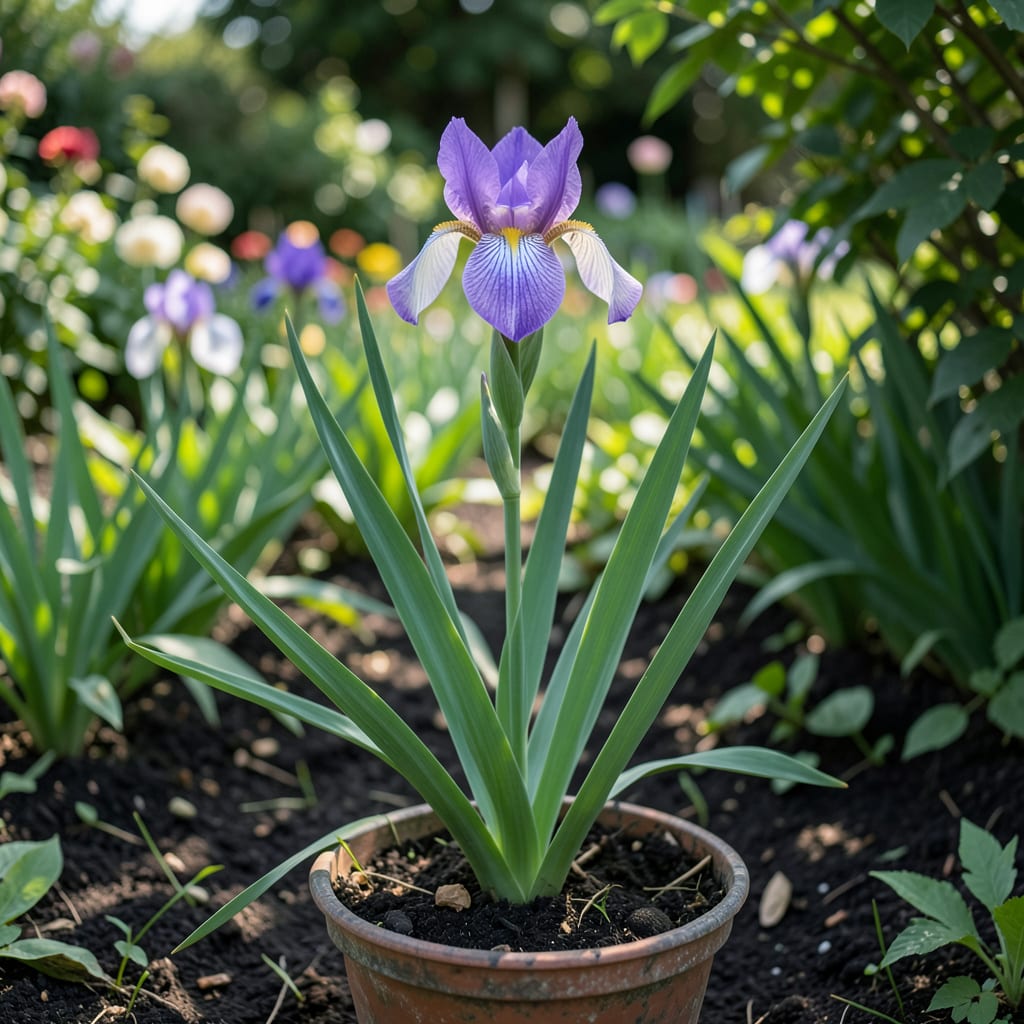
As a gardener, I love watching my Irises 💐 bloom in the garden. These beautiful flowers add vibrant color and texture to any landscape, but their blooming period can be fleeting.
Understanding how long Irises bloom and what affects their flowering duration can help you maximize their beauty and plan your garden accordingly. Let’s dive into the details of Iris blooming and explore ways to extend their flowering season in USDA Zone 6.
Irises are a gardener’s delight, producing elegant blooms that add vibrant color and texture to any landscape. Understanding their blooming cycle is key to maximizing their beauty. The blooming period of Irises typically lasts between 1 to 3 weeks, depending on the variety and growing conditions.
Several factors influence how long Irises bloom, including the specific type of Iris, climate, and care practices. For example, bearded Irises tend to bloom for a shorter period compared to Japanese Irises. Climate conditions such as temperature and sunlight exposure also play a significant role in determining the bloom duration 🌼.
The specific type of Iris is a crucial factor in determining bloom duration. Bearded Irises, for instance, typically bloom for about 1 to 2 weeks, while Siberian Irises may bloom for slightly longer. Understanding the characteristics of your Iris variety can help you anticipate and plan for their blooming period.
Climate and weather conditions also significantly affect how long Irises bloom. Irises generally thrive in full sun and well-drained soil. If the weather is too hot or too cold, it can impact the blooming duration. Extreme temperatures can cause the blooms to fade more quickly 🌡️.
Care practices, such as watering, fertilizing, and deadheading, also influence the blooming period. Proper care can help extend the blooming season, while neglect or improper care can shorten it. For example, deadheading spent blooms can encourage some Iris varieties to rebloom.
In USDA Zone 6, Irises generally bloom in late spring to early summer. The exact timing can vary based on the specific weather conditions of the year. Understanding these factors can help you make informed decisions about your Iris care and garden planning.
By considering the variety, climate, and care practices, you can better understand and potentially extend the blooming period of your Irises. This knowledge allows you to maximize the beauty of these stunning flowers in your garden 💐.
For gardeners looking to optimize their Iris blooms, it’s essential to choose varieties known for their longer blooming periods and to provide optimal growing conditions. With the right care and conditions, Irises can be a highlight of your garden for weeks.
To further enhance your understanding of Iris bloom duration, consider exploring additional resources on Iris care and gardening practices. This can provide valuable insights into maximizing the blooming potential of your Irises.
By applying these insights and tips, you can enjoy a vibrant and prolonged Iris blooming season in your garden. Happy gardening! 🌼
To maximize your Iris blooming season, it’s essential to understand the factors that influence their flowering duration. By implementing the right care practices, you can enjoy a longer and more vibrant display of these beautiful flowers 🌼.
One effective way to extend the blooming season is through proper deadheading. Removing spent blooms encourages some Iris varieties to produce additional flowers, thereby prolonging the blooming period.
Remove spent blooms to encourage reblooming in certain Iris varieties.
Apply a balanced fertilizer after blooming to promote healthy growth.
Ensure well-drained soil to prevent root rot and promote healthy blooming.
Variety selection is another crucial factor in extending the blooming season. Choosing a mix of early, mid-season, and late-blooming Iris varieties can provide a continuous display of flowers throughout the spring and early summer.
By combining these strategies, you can create a vibrant and prolonged Iris blooming season in your garden, enjoying these beautiful flowers for weeks 🌸.
In addition to these tips, maintaining overall plant health through proper watering and pest management is vital for maximizing bloom duration.
For gardeners in USDA Zone 6, understanding the specific needs of Irises and adapting care practices accordingly can significantly impact the blooming season’s length and quality.
By implementing these practical gardening tips, you can enjoy a more extended and vibrant Iris blooming season, making the most of these stunning flowers in your garden 💐.
Understanding the factors that can affect Iris bloom time is crucial for gardeners who want to maximize their flowering season. Several environmental and care factors can either shorten or lengthen the blooming period of Irises 🌼.
One of the primary factors that can impact Iris bloom time is sunlight exposure. Irises generally thrive in full sun, requiring at least 6 hours of direct sunlight per day. Insufficient sunlight can lead to weaker and fewer blooms, while excessive sunlight can cause the flowers to fade more quickly ☀️.
Extreme temperatures can significantly impact Iris bloom duration. Both high and low temperature extremes can cause blooms to fade more quickly.
Watering practices are another critical factor that can influence Iris bloom time. Consistent moisture during the growing season is essential, but overwatering can lead to root rot and reduce blooming. On the other hand, underwatering can stress the plants and shorten the blooming period 💧.
Temperature extremes can also affect how long Irises bloom. While Irises are generally hardy plants, extreme heat or cold can cause the blooms to fade more quickly. In USDA Zone 6, it’s essential to protect Irises from late frosts and extreme summer heat 🌡️.
Pest management is another crucial aspect of maintaining healthy Irises and maximizing their bloom time. Pests such as iris borers and slugs can damage the plants and reduce blooming. Regular monitoring and appropriate pest control measures can help prevent these issues 🐜.
By understanding and managing these factors, gardeners can create optimal conditions for their Irises, potentially extending their blooming season and enjoying these beautiful flowers for a longer period 🌸.
In addition to these factors, maintaining overall plant health through proper care practices is vital for maximizing bloom duration. This includes fertilizing after blooming, dividing and replanting every few years, and ensuring good soil drainage.
For gardeners in USDA Zone 6, being aware of these factors and adapting care practices accordingly can significantly impact the blooming season’s length and quality. By providing the right conditions and care, you can enjoy a vibrant and prolonged Iris blooming season in your garden 💐.
Irises usually bloom for 1 to 3 weeks, depending on the variety and growing conditions. Some varieties like bearded Irises tend to have shorter bloom periods, while others like Japanese Irises may bloom for longer. Proper care can help maximize their blooming duration .
Yes, you can extend the Iris blooming season by choosing a mix of early, mid-season, and late-blooming varieties. Proper care practices like deadheading, fertilizing after blooming, and ensuring well-drained soil can also help prolong the blooming period. These strategies can provide a continuous display of Irises throughout spring and early summer .
Several factors can influence Iris bloom duration, including sunlight exposure, watering practices, and temperature extremes. Irises thrive in full sun and consistent moisture during the growing season. Extreme temperatures can cause blooms to fade more quickly, while proper care can help extend the blooming period .
Water your Irises regularly during the growing season, aiming for about 1 inch of water per month. Consistent moisture is essential, but avoid overwatering, which can lead to root rot and reduce blooming. Adjust watering based on weather conditions to maintain optimal soil moisture .
