
Beautiful Plants For Your Interior
Beautiful Plants For Your Interior
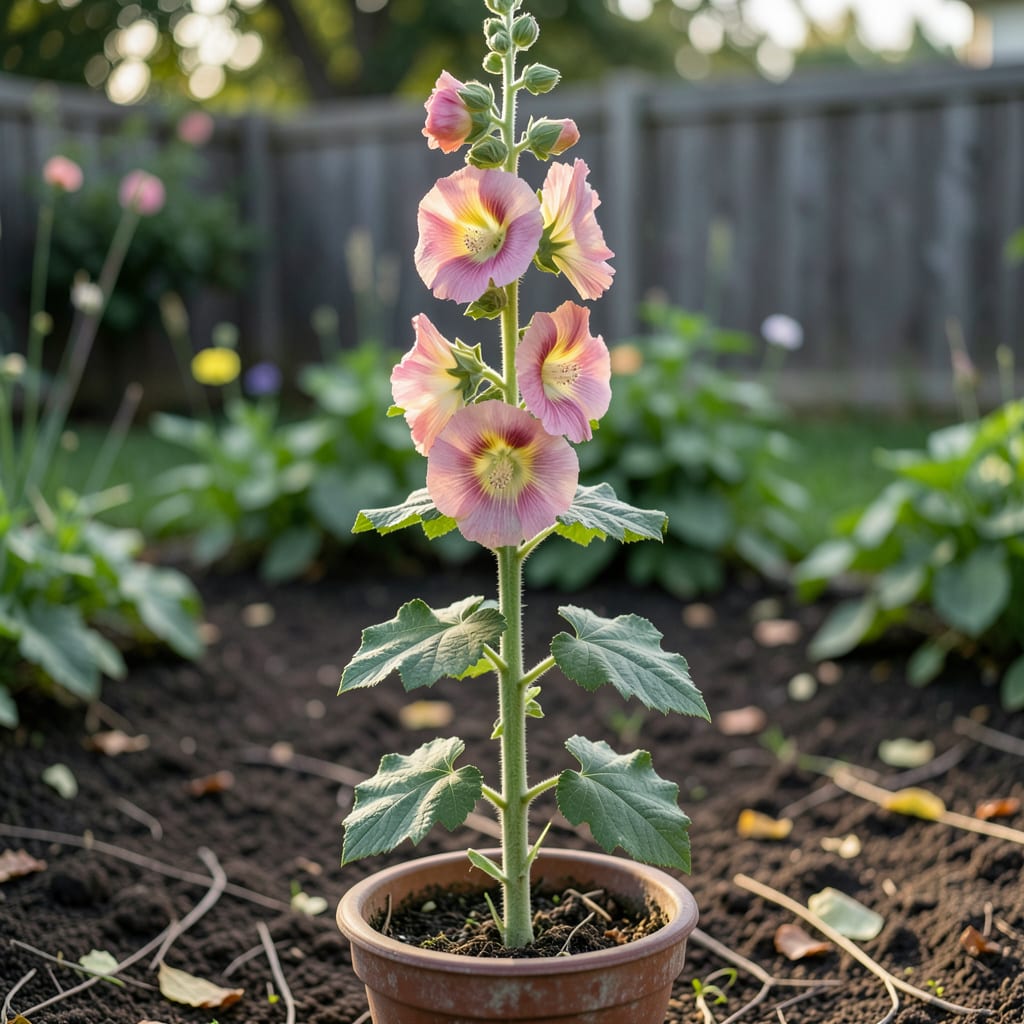
Hollyhocks 💐 bring dramatic vertical interest to gardens with their tall spikes of colorful blooms. Their flowering cycle is a key part of their beauty, and understanding it can help you make the most of these stunning plants.
When growing hollyhocks in USDA Zone 6, you can expect a vibrant display during their blooming period. Let’s explore what affects their flowering duration and how to encourage longer blooming seasons.
Hollyhocks 💐 create tall spikes of color that draw the eye in any garden. When I plant them in USDA Zone 6, I watch a vibrant display emerge each summer, and knowing the bloom timeline helps me plan other plantings. 🌿
Typically, buds appear in late spring, and the first flowers open by mid‑summer. From that point, you can expect 6–8 weeks of continuous color if conditions stay favorable. Below is a quick reference that sums up the key timing details. 🌸
Temperature plays a major role: cool nights can add a week or two to the display, while high temps often compress the cycle, leading to a shortened period. I track daily highs to anticipate any needed shade or watering adjustments.
Sunlight is another driver. Hollyhocks thrive in full sun with at least 6+ hours of direct light. When they receive shade stress, buds form slower and colors may fade, so I position them on a south‑facing slope whenever possible. 🌞
Consistent moisture is vital. I aim for steady moisture by watering weekly in early summer, but I avoid drought stress by mulching around the base. Over‑watering can cause root rot, which also curtails the bloom window.
Fertilization boosts vigor. Using a balanced 10‑10‑10 feed every 4‑6 weeks during active growth encourages larger spikes and can add longer spikes of flowers. I start feeding when new shoots appear in late spring.
One of my favorite tricks is to deadhead regularly. Removing spent blooms prompts the plant to produce new buds, effectively creating an extended season. I check each stalk weekly and pinch off faded flowers.
Support matters for tall varieties. I support stalks with stakes and prune lower growth to improve better airflow, which reduces fungal pressure and lets the upper blossoms shine.
Pest and disease control cannot be ignored. I monitor for aphid control and apply neem oil if needed, while also practicing rust prevention through good spacing. Healthy foliage translates to a healthy bloom period.
In summary, plan ahead, monitor conditions, and adjust watering, feeding, and deadheading as needed. By fine‑tuning these variables, you’ll enjoy a longer, more vibrant hollyhock display that becomes the centerpiece of your garden. 🌼
To maximize hollyhock blooms, I focus on proper care techniques that encourage longer flowering periods. First, I
One effective method is regular deadheading. By removing spent blooms, I stimulate the plant to produce new buds, effectively extending the blooming season. I check each stalk weekly and pinch off faded flowers to maintain a continuous display 🌸.
I use a balanced 10-10-10 fertilizer every 4-6 weeks during active growth. This encourages larger flower spikes and promotes overall plant health.
I water hollyhocks weekly during dry spells, ensuring the soil remains consistently moist. Mulching around the base helps retain moisture and reduce water stress.
For taller hollyhock varieties, I use stakes to prevent stem damage. This keeps the plants upright and ensures that the flowers remain visible throughout the blooming season.
Another key factor is pest and disease management. I regularly inspect my plants for signs of aphids or rust, and take action promptly if needed. Using neem oil for aphid control and maintaining good air circulation around the plants helps keep them healthy and blooming longer 🌿.
By implementing these strategies, I can enjoy a longer and more vibrant hollyhock display. The combination of proper care, regular maintenance, and attentive monitoring ensures that these beautiful plants remain a highlight of my garden for weeks on end 💐.
I find that understanding the common mistakes that can shorten hollyhock bloom periods helps me better care for these beautiful plants. By avoiding certain gardening errors, I can ensure a longer and more vibrant display 🌼.
Watch out for these common gardening mistakes that can shorten your hollyhock’s bloom period…
One common mistake is improper watering. Both over-watering and under-watering can stress the plants, leading to a shorter blooming season. I
Another error is poor soil preparation. Hollyhocks thrive in rich, well-drained soil. If the soil is too poor or compacted, it can limit the plant’s ability to produce a robust bloom. I ensure my soil is well-prepared with organic matter and good drainage to support healthy growth 🌱.
Inadequate support for tall varieties is another mistake. Without proper staking, tall hollyhock stalks can break or become damaged, reducing the overall bloom display. I use sturdy stakes to keep my plants upright and secure 🌿.
Neglecting pest and disease control can also impact blooming. Regularly checking for aphids and rust and taking prompt action when necessary helps maintain plant health and prolongs the blooming period. I use neem oil and ensure good air circulation around my plants to prevent these issues 🌸.
By being mindful of these common mistakes and taking steps to avoid them, I can enjoy a more vibrant and longer-lasting hollyhock display. Proper care and attention to detail make all the difference in maximizing their blooming potential 💐.
In my experience, careful monitoring and maintenance are key. I regularly inspect my plants and adjust my care routine as needed to ensure optimal blooming 🌻.
Overall, understanding and avoiding these common mistakes helps me create a thriving environment for my hollyhocks, leading to a more spectacular bloom season 🌼.
Hollyhocks usually bloom for 6-8 weeks during the summer months. The exact duration can vary depending on factors like temperature, soil quality, and sunlight exposure. In ideal conditions, they can produce a vibrant display of flowers from late spring to early summer .
Several factors can influence how long hollyhocks bloom, including temperature, sunlight, watering, and fertilization. Cool nights can extend the blooming period, while high temperatures can shorten it. Ensuring they receive full sun and consistent moisture can also help prolong the bloom .
Yes, regular deadheading can help extend the blooming season of hollyhocks. By removing spent blooms, you encourage the plant to produce new buds, effectively creating a longer flowering period. It’s a simple yet effective technique to maximize their blooming potential .
During their blooming period, it’s essential to keep the soil consistently moist. Watering weekly is usually sufficient, but this may vary depending on weather conditions. Mulching around the base can help retain moisture and reduce water stress .
