
Beautiful Plants For Your Interior
Beautiful Plants For Your Interior
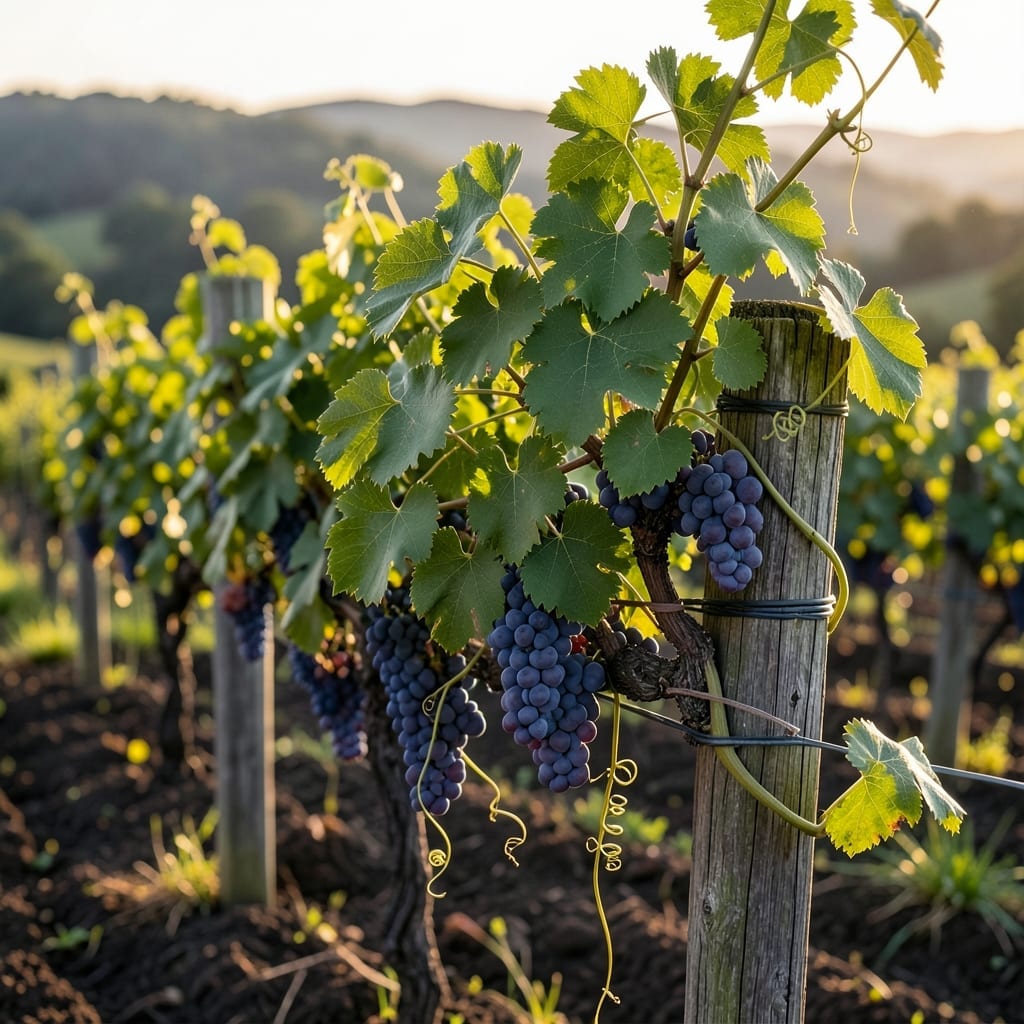
Watching your 🍇 Grape vines bloom is exciting, but the real question is: when can you expect to harvest those juicy clusters?
The timeline from flowering to ripe Grapes varies by variety and growing conditions. It’s not just about waiting – understanding the process helps you nurture the best crop.
I’ll walk you through the key stages and what to expect. Whether you’re growing table grapes or wine varieties, this timeline will help you plan your harvest perfectly.


After your grapevines flower, the real magic begins. The time it takes for grapes to grow and ripen depends heavily on the variety you’re cultivating. I’ve seen table grapes ready in as little as 50 days, while some wine grapes need the full 100 days to reach perfection.
Understanding these variety-specific timelines helps you anticipate harvest and adjust care. Muscadines, for example, often take 70-80 days from flower to fruit. The key is knowing what to expect from your specific vines 🌱
| Variety | Days to Harvest | Key Characteristics |
|---|---|---|
| Table Grapes | 50-70 | Sweet, thin-skinned, early ripening |
| Wine Grapes | 70-100 | Complex flavors, thicker skins, later harvest |
| Muscadines | 70-80 | Large berries, slip-skin, southern favorite |
The first visible change after flowering is fruit set, when tiny green grapes appear. These will grow rapidly for about 3-4 weeks, then enter a lag phase where growth slows as sugars develop.
During this veraison stage (about 40-50 days after flowering), the grapes begin to change color and soften. This is when I start testing for sweetness and watching for bird protection needs.
For early varieties like ‘Thompson Seedless’, you might see harvest-ready grapes in 6-8 weeks. These are perfect for fresh eating and need consistent watering to prevent splitting as they swell.
Mid-season varieties such as ‘Concord’ typically take 8-10 weeks. I’ve found these do best with morning sun and well-draining soil to develop their signature flavor.
Late-season grapes, including many wine varieties, can take the full 12-14 weeks. These need patience and protection from early frosts in cooler climates. I always mark my calendar 100 days from first bloom for these.
The final weeks are critical for sugar development. I reduce watering during this time to concentrate the flavors. You’ll notice the grape clusters becoming heavier and the berries changing color more intensely 🌿
Remember, these timelines can shift with weather conditions. A hot, dry summer might speed up ripening by 1-2 weeks, while cool, wet weather could extend the process. I always keep a garden journal to track these variations year to year.
Once your grapevines flower, several key factors can influence how quickly those tiny blossoms turn into ripe fruit. I’ve found that climate is the biggest game-changer in my garden. A warm, sunny season can shave 1-2 weeks off the timeline 🌱
Sunlight exposure directly impacts sugar development. My vines in full sun (8+ hours daily) consistently ripen faster than those in partial shade. The intensity of light affects photosynthesis, which fuels grape growth.
Watering practices are crucial during this period. I’ve learned that inconsistent moisture can cause berry splitting or delayed ripening. The goal is deep, regular watering without waterlogging the roots.
Soil quality plays a major role too. My grapevines in compost-enriched soil always outperform those in poor dirt. A balanced fertilizer (10-10-10) applied in early summer gives them the nutrients they need.
Pruning at the right time helps direct energy to the fruit. I remove excess foliage around clusters to improve air circulation and sunlight penetration. This prevents rot and speeds up ripening.
Finally, pest protection is vital. I use bird netting as grapes near ripeness to prevent losses. Nothing delays your harvest like losing half your crop to hungry birds just days before picking! 🌿