
Beautiful Plants For Your Interior
Beautiful Plants For Your Interior
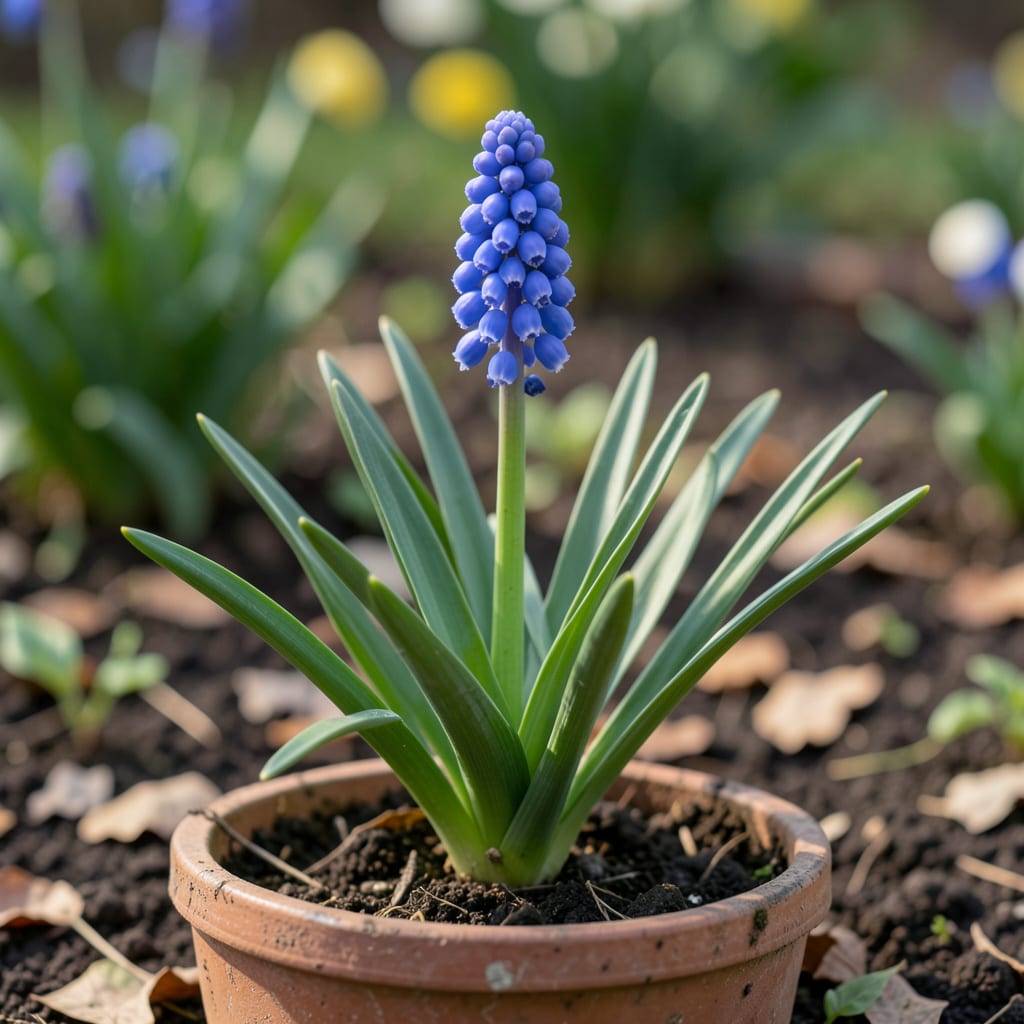
As spring arrives, Grape Hyacinths 💐 burst into bloom, creating a vibrant carpet of blue flowers. But how long can you expect this beautiful display to last in your garden?
The blooming period of Grape Hyacinths typically lasts 2-3 weeks in USDA zones 4-8, where they’re perfectly hardy. Factors like climate and soil quality can influence the duration, and with proper care, you can enjoy these lovely flowers for years to come.
Grape hyacinths are known for their vibrant blue flowers that bloom in the spring, creating a beautiful display in gardens. The blooming period is a critical aspect of their growth cycle.
The typical blooming period for grape hyacinths is 2-3 weeks, usually occurring in early to mid-spring. This duration can vary based on factors such as climate, soil quality, and maintenance practices 🌼.
The blooming period of grape hyacinths is influenced by various factors, including climate conditions and soil quality. In general, they bloom for a relatively short period, but their foliage remains attractive for several weeks after flowering.
To maximize the blooming period, it’s essential to provide grape hyacinths with the right growing conditions. This includes planting them in well-draining soil and ensuring they receive adequate sunlight 🌻.
Grape hyacinths are hardy in USDA zones 4-8, making them suitable for a wide range of climates. In areas with mild winters, they may naturalize and bloom more profusely over time.
After the blooming period, the foliage of grape hyacinths continues to grow and store energy for the next year’s bloom. Allowing the foliage to die back naturally is crucial for promoting healthy growth and flowering in subsequent years.
By understanding the typical blooming period and factors that influence it, gardeners can better plan their garden displays and care for their grape hyacinths. This knowledge helps in creating a more vibrant and dynamic garden throughout the growing season 🌺.
For gardeners looking to extend the blooming period, strategies such as planting multiple varieties or incorporating companion plants can be effective. Proper post-bloom care is also vital for maintaining the health and vigor of the plants.
In conclusion, grape hyacinths provide a short but spectacular display of color in the spring. By understanding their blooming habits and providing appropriate care, gardeners can enjoy these beautiful flowers for years to come 💐.
The blooming period of grape hyacinths is influenced by several key factors that gardeners should understand to maximize their flowering display. Climate conditions play a significant role in determining how long grape hyacinths bloom 🌼.
Temperature and moisture levels are critical climate factors. Grape hyacinths thrive in cooler spring temperatures, typically between 40°F to 60°F (4°C to 15°C). Extreme temperature fluctuations can affect bloom duration.
Well-draining soil with moderate fertility supports optimal blooming. Heavy clay or overly sandy soils can impact bloom duration.
Soil quality is another crucial factor. Grape hyacinths prefer well-draining soil that is rich in organic matter. Poor soil conditions can lead to shorter blooming periods or weaker flowers 🌻.
Sunlight exposure also affects the blooming period. Grape hyacinths thrive in full sun to partial shade. Too much shade can result in weaker and shorter blooms, while full sun promotes more vibrant and longer-lasting flowers.
Maintenance practices, such as deadheading and post-bloom care, can influence the blooming period. Removing spent flowers can encourage the plant to focus energy on re-growing and storing energy for the next year’s bloom.
By understanding these factors, gardeners can create optimal conditions for their grape hyacinths, potentially extending the blooming period and enhancing the overall display 🌺.
Grape hyacinths are relatively low-maintenance plants, but attention to these factors can make a significant difference in their blooming performance. Proper care and conditions will reward gardeners with a beautiful spring display 💐.
In areas with mild winters, grape hyacinths may naturalize and bloom more profusely over time. This naturalization process can lead to a more extensive and vibrant display in subsequent years.
Overall, while the typical blooming period is 2-3 weeks, understanding and managing the influencing factors can help gardeners make the most of their grape hyacinth display.
To maximize the blooming period of grape hyacinths in your garden, consider implementing several strategies that can help prolong their flowering display. One effective method is to plant multiple varieties with different blooming times, creating a staggered bloom effect that extends the overall flowering period 🌼.
Incorporate companion plants like daffodils or tulips that bloom around the same time, creating a diverse and dynamic spring display.
Ensure grape hyacinths receive adequate sunlight and are planted in well-draining soil to promote healthy growth and longer blooming.
Allow foliage to die back naturally after blooming, and consider a light feeding with a balanced fertilizer to support next year’s bloom.
By implementing these strategies, gardeners can enjoy a longer and more vibrant display of grape hyacinths in their gardens. The combination of proper care and thoughtful planting can significantly enhance the blooming period 🌺.
Grape hyacinths are versatile plants that can be used in various garden settings, from naturalized areas to formal flower beds. Their low-growing nature makes them ideal for underplanting taller bulbs or perennials.
For gardeners looking to create a sustained spring display, grape hyacinths are an excellent choice. When combined with other spring-blooming bulbs, they can provide a continuous show of color throughout the season 🌻.
In conclusion, extending the bloom time of grape hyacinths requires a combination of strategic planting, optimal growing conditions, and proper post-bloom care. By following these tips, gardeners can maximize their enjoyment of these beautiful spring flowers 💐.
Grape hyacinths usually bloom for 2-3 weeks in early to mid-spring. The exact duration can vary depending on climate conditions and soil quality. Proper care can help maximize their blooming period .
Several factors influence the blooming period, including temperature, moisture levels, soil quality, and sunlight exposure. Grape hyacinths thrive in cooler spring temperatures and well-draining soil rich in organic matter .
Yes, you can extend the blooming period by planting multiple varieties with different blooming times. Incorporating companion plants like daffodils or tulips can also create a more dynamic spring display. Proper post-bloom care is essential for maintaining plant health .
After blooming, allow the foliage to die back naturally. You can also consider a light feeding with a balanced fertilizer to support next year’s bloom. Avoid cutting back the foliage too early, as this can weaken the plant .
