
Beautiful Plants For Your Interior
Beautiful Plants For Your Interior
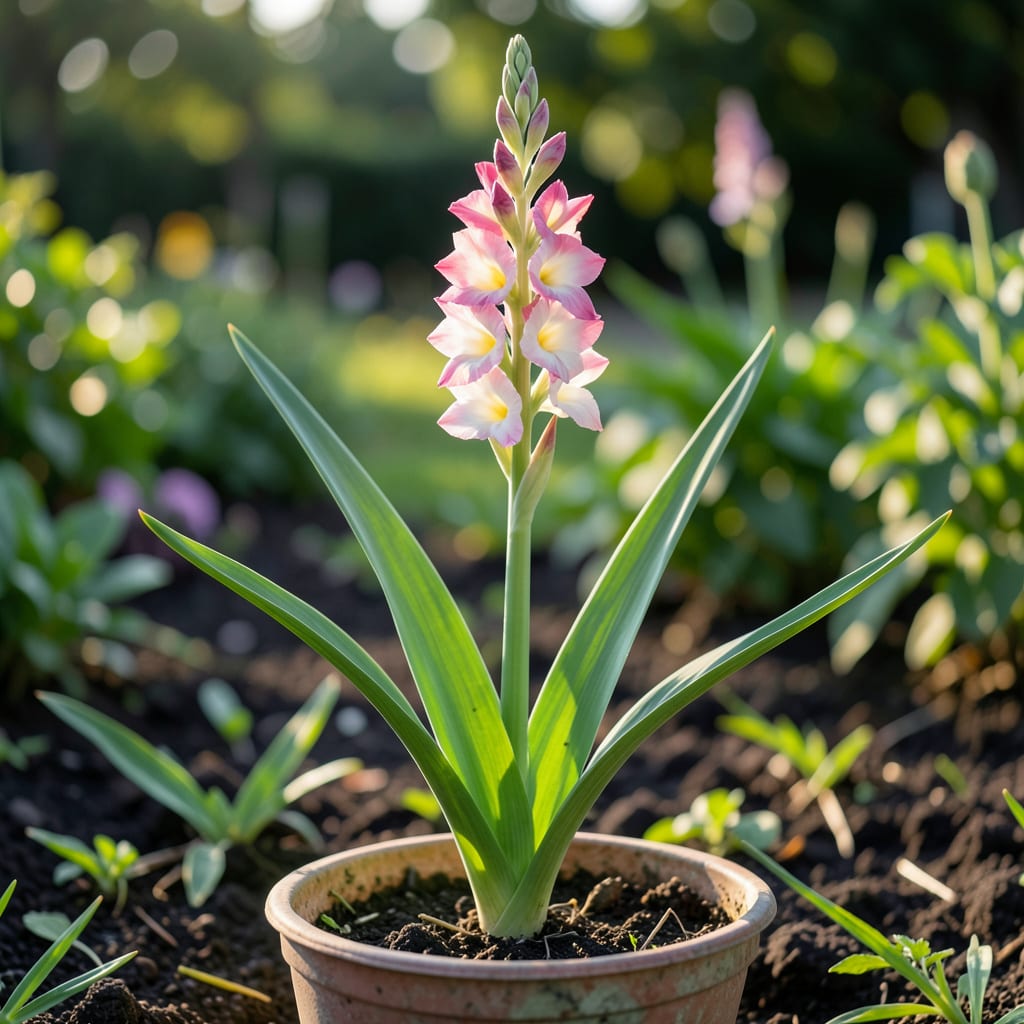
As I watch my Gladiolus 💐 bloom in the garden, I’m always amazed by their dramatic height and vibrant colors. But how long can you expect these beautiful flowers to bloom?
The blooming period typically lasts several weeks in the summer months, but there are ways to extend the flowering season. By understanding the factors that affect their blooming cycle, you can enjoy these stunning flowers for longer.
Gladiolus flowers are known for their dramatic height and vibrant colors, but understanding their blooming cycle is crucial for maximizing their impact in your garden. The blooming period of gladiolus typically lasts several weeks during the summer months.
The exact duration of the bloom can vary depending on factors such as weather conditions, soil quality, and the specific variety of gladiolus you’re growing. Generally, you can expect each spike to bloom for around 7 to 14 days 🌼
The blooming cycle of gladiolus is influenced by several factors, including the variety you’ve chosen, the climate you’re growing in, and your planting schedule. Some varieties are bred to bloom earlier or later in the season, allowing you to extend the overall blooming period in your garden.
To maximize the blooming period, many gardeners practice staggered planting, where they plant gladiolus corms at intervals of 1-2 weeks. This technique can provide a continuous display of flowers throughout the summer.
Understanding these factors and how they affect the blooming cycle is key to enjoying your gladiolus flowers for as long as possible. By selecting the right varieties and implementing proper gardening techniques, you can extend the blooming season and enjoy these beautiful flowers throughout the summer 🌻
The ideal growing conditions for gladiolus include full sun and well-draining soil. Ensuring that your plants receive 6+ hours of direct sunlight daily and are planted in soil that drains well can help promote healthy growth and prolonged blooming.
Another important factor is watering. Gladiolus prefer consistent moisture, especially during their active growing period. Watering them weekly during dry spells can help maintain the health of the plants and support their blooming.
Fertilization is also a critical aspect of gladiolus care. Feeding your plants with a balanced fertilizer every 4-6 weeks during the growing season can provide the necessary nutrients for robust growth and flowering.
By combining these care practices with strategic planting, you can enjoy a longer and more vibrant blooming season. The key is to understand the specific needs of your gladiolus and to be proactive in providing the right conditions for optimal blooming 🌟
As you plan your garden, consider incorporating gladiolus into your flower beds or containers. Their tall spikes add a dramatic element to any garden design, and their variety of colors allows for creative and vibrant arrangements.
With proper care and planning, gladiolus can be a stunning addition to your garden, providing beauty and interest throughout the summer months. By understanding their blooming cycle and implementing strategies to extend it, you can enjoy these gorgeous flowers for as long as possible 🌼
To maximize your gladiolus blooming season, I recommend implementing a few strategic gardening practices. First, consider staggered planting, where you plant gladiolus corms at intervals of 1-2 weeks. This technique can provide a continuous display of flowers throughout the summer 🌼
Select gladiolus varieties with different blooming times to extend the flowering season. This can include early, mid-season, and late-blooming types 🌸
Plant new corms every 1-2 weeks to achieve a staggered blooming effect. This ensures a continuous display of flowers throughout the growing season 📆
Ensure your gladiolus receive full sun and are planted in well-draining soil. Proper care will promote healthy growth and longer blooming 🌞
By implementing these strategies, you can significantly extend your gladiolus blooming season.
Another effective method is to deadhead your gladiolus flowers as they bloom. Removing spent flowers can encourage the plant to focus its energy on producing new blooms, rather than seed production 🌼
Additionally, consider the climate and weather conditions in your area. Gladiolus are sensitive to extreme temperatures and moisture levels. Protecting your plants from harsh weather can help prolong their blooming period ⛅️
With these tips and techniques, you can enjoy a longer and more vibrant gladiolus blooming season. By understanding the needs of your plants and providing the right conditions, you’ll be able to appreciate these beautiful flowers for an extended period 🌟
As you continue to care for your gladiolus, keep in mind that pest control and disease prevention are also crucial. Regularly inspect your plants for signs of pests or disease, and take action promptly if you notice any issues 🐜
By combining these practices, you’ll be able to enjoy a stunning display of gladiolus flowers throughout the summer months. With their dramatic height and vibrant colors, they’ll add a beautiful element to your garden 🌼
After your gladiolus have finished blooming, it’s essential to provide proper care to ensure they continue to thrive and produce beautiful flowers in the future. One of the most critical steps is to deadhead the flowers as they fade 🌼
Deadheading involves removing the spent flower spikes to direct the plant’s energy towards re-growing and storing energy in the corms. This process helps to strengthen the corms for next year’s bloom 🌿
After blooming, allow the foliage to die back naturally. This process can take several weeks to a few months, depending on the climate and growing conditions.
Once the foliage has died back, you can cut it back to about 1-2 inches above the ground. This is a good time to inspect the corms for any signs of disease or damage 🔍
If you live in an area with frost, it’s crucial to dig up the corms after the first frost and store them in a cool, dry place over the winter. This will protect them from freezing temperatures and ensure they remain healthy for the next growing season ❄️
In regions with mild winters, you may be able to leave the corms in the ground, but it’s still a good idea to add a layer of mulch to protect them from any unexpected cold snaps 🌿
By following these post-bloom care tips, you can help ensure that your gladiolus continue to produce beautiful flowers year after year. Proper care and maintenance are key to enjoying these stunning plants for many seasons to come 🌼
Gladiolus flowers usually bloom for 7 to 14 days per spike. The blooming period can vary depending on weather conditions and the specific variety. Multiple spikes can extend the overall flowering season
Yes, you can extend the blooming season by practicing staggered planting every 1-2 weeks. Choosing varieties with different blooming times also helps create a continuous display of flowers throughout the summer
After blooming, deadhead the flowers to direct energy to the corms. Allow foliage to die back naturally before cutting it back. In areas with frost, dig up corms after the first frost and store them in a cool, dry place
Gladiolus prefer consistent moisture, especially during active growth. Water them weekly during dry spells to support healthy blooming and overall plant health
