
Beautiful Plants For Your Interior
Beautiful Plants For Your Interior
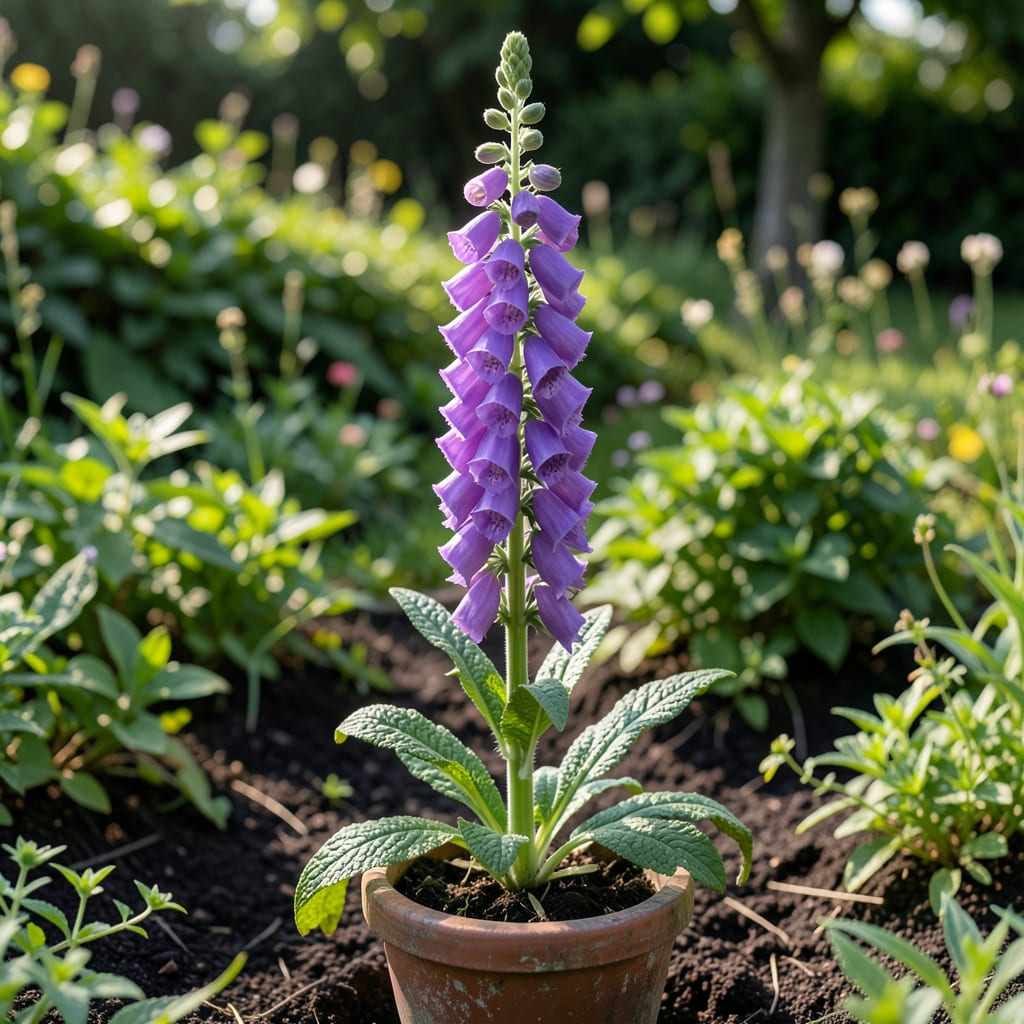
Foxgloves 🌸 are a gardener’s delight with their tall spikes of tubular bells, but how long do they actually bloom? In USDA Zone 6, you can expect these beautiful flowers to bloom for 3-4 weeks in late spring to early summer.
Understanding their blooming cycle is key to maximizing their beauty throughout the growing season. With proper care, including regular watering and deadheading, you can enjoy these stunning flowers for a longer period.
Foxgloves are known for their impressive flowering spikes that can reach up to 5 feet tall. The blooming period typically lasts for 3-4 weeks in late spring to early summer. During this time, the tall spikes are covered with tubular bells that attract bees and other pollinators 🌼.
The exact duration of the bloom can vary depending on factors such as weather conditions, soil quality, and sunlight exposure. In general, foxgloves tend to bloom for a relatively short period, but their striking appearance makes them a highlight of the garden 🌸.
One of the key factors influencing the bloom duration is the weather conditions. Foxgloves prefer cooler temperatures and can be sensitive to extreme heat. In USDA Zone 6, they typically bloom during a period of mild spring weather, which helps to prolong their flowering 🌟.
Soil quality is another critical factor. Foxgloves thrive in well-draining soil that is rich in organic matter. Ensuring that the soil is properly prepared before planting can help to support a healthy and prolonged bloom 🌱.
Sunlight exposure also plays a role in determining how long foxgloves will bloom. While they can tolerate some shade, foxgloves generally perform best in partial shade to full sun. In areas with intense sunlight, providing some afternoon shade can help to extend the blooming period ☀️.
By understanding these factors and providing optimal growing conditions, gardeners can enjoy the beautiful blooms of foxgloves for as long as possible. Proper care and attention to the plant’s needs can make a significant difference in the length and quality of the blooming period 🌼.
Foxgloves are typically grown as biennials, meaning they complete their life cycle over two growing seasons. In the first year, they produce a rosette of leaves, and in the second year, they send up a flowering stalk. This biennial nature means that gardeners need to plan ahead to ensure a continuous display of blooms ⏰.
To encourage a longer blooming season, gardeners can practice deadheading, which involves removing spent flowers to prevent the plant from setting seed. This can help to redirect the plant’s energy towards producing more flowers 🌺.
In addition to deadheading, maintaining consistent moisture levels and providing balanced fertilization can support healthy growth and blooming. Foxgloves are not heavy feeders, but a light application of balanced fertilizer in the spring can promote vigorous growth and flowering 🌿.
Overall, while the blooming period of foxgloves is relatively short, their dramatic and elegant flowers make them a valuable addition to any garden. By understanding the factors that influence their bloom duration and providing appropriate care, gardeners can maximize the beauty and impact of these stunning plants 🌸.
To maximize the blooming period of foxgloves, gardeners can employ several strategies. One effective method is deadheading, which involves removing spent flowers to prevent the plant from setting seed. This technique can help redirect the plant’s energy towards producing more flowers 🌼.
Another crucial factor is maintaining consistent moisture levels. Foxgloves prefer well-draining soil that is consistently moist but not waterlogged. Ensuring the soil remains moist, especially during dry spells, can support healthy growth and blooming 💧.
To encourage a longer blooming season, ensure your foxgloves receive partial shade to full sun and maintain consistent moisture levels.
Sunlight exposure is also vital. While foxgloves can tolerate some shade, they generally perform best in partial shade to full sun. Providing some afternoon shade in areas with intense sunlight can help extend the blooming period ☀️.
In addition to these measures, balanced fertilization can support healthy growth and blooming. A light application of balanced fertilizer in the spring can promote vigorous growth and flowering 🌿.
By implementing these strategies, gardeners can enjoy the beautiful blooms of foxgloves for a longer period. Proper care and attention to the plant’s needs can make a significant difference in the length and quality of the blooming period 🌸.
Foxgloves are typically grown as biennials, meaning they complete their life cycle over two growing seasons. Understanding this growth pattern is essential for planning and maintaining a continuous display of blooms ⏰.
To further encourage a longer blooming season, consider planting multiple foxglove plants at different times. This staggered planting can help ensure a prolonged display of flowers throughout the growing season 🌺.
After foxgloves finish blooming, it’s essential to provide proper care to ensure their health and vigor for the next growing season. One of the first steps is to manage the seed production 🌼.
Foxgloves produce a significant amount of seeds after blooming. To prevent unwanted self-seeding, you can remove the spent flower spikes. This not only helps control the spread of the plants but also directs the plant’s energy towards foliage growth and storing energy for the next year’s bloom 🌿.
Cut back the flower stalk to the base to prevent seed production and encourage foliage growth.
Allow the foliage to die back naturally, as it will help the plant store energy for next year’s bloom.
Apply a layer of mulch or straw to protect the roots from extreme temperatures and moisture fluctuations.
By following these steps, you can help ensure that your foxgloves remain healthy and continue to produce beautiful blooms in subsequent years 🌸.
Post-bloom care is crucial for maintaining the health of foxgloves. After the blooming period, the plants need care to recover and prepare for the next growing season. Proper care includes managing seed production, maintaining foliage, and protecting the plants from extreme weather conditions 🌟.
Foxgloves are typically grown as biennials, and their post-bloom care is vital for their life cycle. By removing spent flower spikes and allowing the foliage to die back naturally, you can help the plants store energy for the next year’s bloom ⏰.
To further support the health of your foxgloves, consider adding a layer of organic mulch around the plants. This will help retain moisture, suppress weeds, and regulate soil temperature 🌿.
Foxgloves usually bloom for 3-4 weeks in late spring to early summer. The exact duration can vary depending on weather conditions, soil quality, and sunlight exposure. Proper care can help extend their blooming period .
The blooming period of foxgloves is influenced by weather conditions, soil quality, and sunlight exposure. They prefer cooler temperatures, well-draining soil rich in organic matter, and partial shade to full sun. Optimizing these factors can help prolong their bloom .
Yes, you can extend the blooming season by practicing deadheading, maintaining consistent moisture levels, and providing balanced fertilization. These techniques help redirect the plant’s energy towards producing more flowers and support healthy growth .
After foxgloves finish blooming, remove the spent flower spikes to prevent seed production and encourage foliage growth. Allow the foliage to die back naturally to help the plant store energy for the next year’s bloom. Applying a layer of organic mulch can also support their health .
