
Beautiful Plants For Your Interior
Beautiful Plants For Your Interior
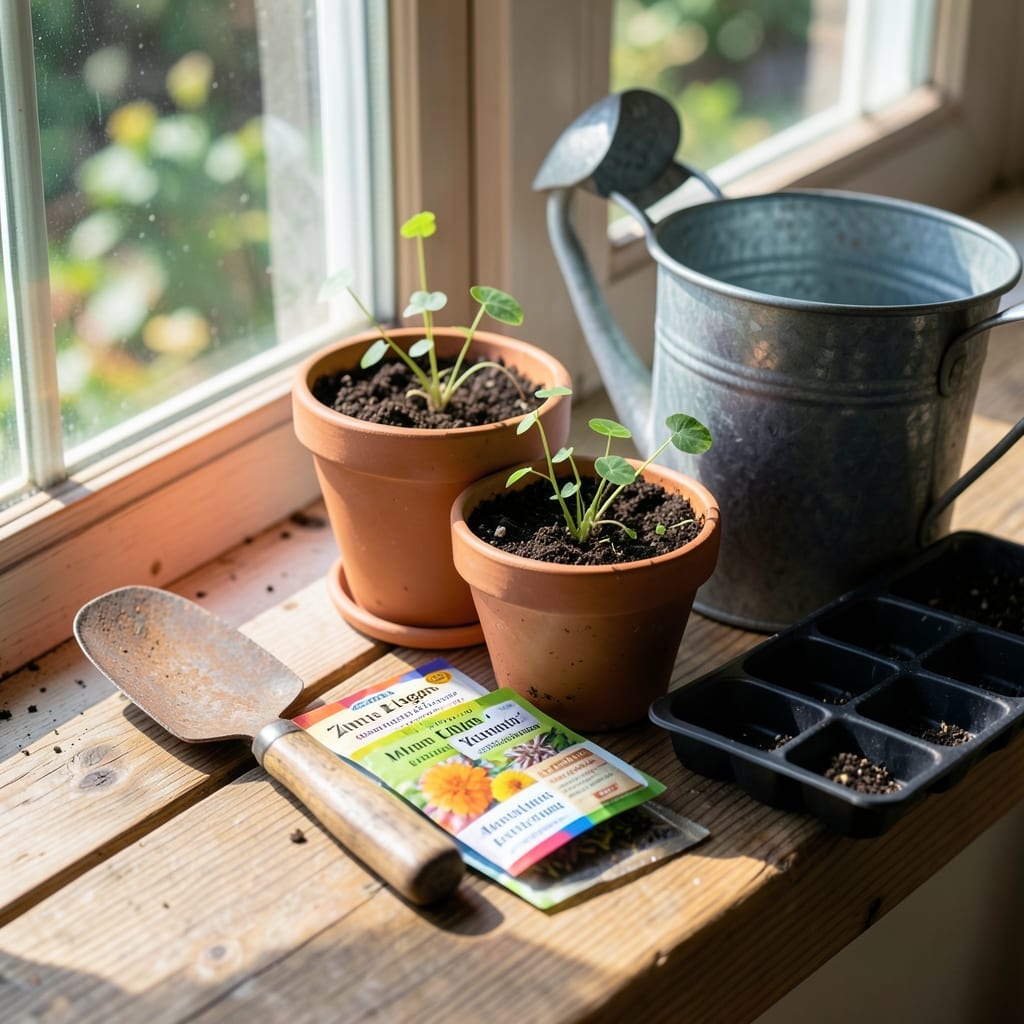
Watching 🌸 Flower seeds sprout and bloom is one of gardening’s most magical experiences. Yet the waiting period often feels endless, leaving you wondering when you’ll see results.
The timeline from planting to full bloom varies dramatically by Flower type and growing conditions. What many don’t realize is that small adjustments can significantly speed up the process.
I’ll walk you through the typical germination to bloom timeline and share practical tips to help your seeds thrive faster. Let’s get started.

If you’re eager to see colorful blooms in your garden, knowing the germination timeline is key. Different flower seeds have varying growth rates, influenced by their natural habits.
For example, fast growers like marigolds and zinnias can sprout in just 5-7 days under ideal conditions. Others, like foxgloves, may take 2-3 weeks to show signs of life.
| Flower Type | Germination Time | Time to Bloom |
|---|---|---|
| Marigolds | 5-7 days | 45-50 days |
| Sunflowers | 7-10 days | 70-90 days |
| Zinnias | 5-7 days | 60-70 days |
| Petunias | 7-10 days | 70-90 days |
| Cosmos | 5-7 days | 60-90 days |
Environmental factors play a huge role in how quickly your flower seeds grow. Soil temperature is one of the most critical. Most seeds need 70-75°F to germinate efficiently.
Moisture levels also matter. Overwatering can cause seeds to rot, while underwatering slows germination. I recommend keeping the soil consistently damp but not soggy.
Light is another key factor. Some seeds, like petunias and zinnias, need light to germinate. Others, like cosmos, prefer a bit of darkness to start.
Once sprouted, seedlings need plenty of sunlight to grow strong. Aim for at least 6-8 hours of direct sun daily. If growing indoors, a grow light can help.
Don’t forget about soil quality. A well-draining, nutrient-rich mix gives seeds the best start. I always mix in compost or a slow-release fertilizer for extra nutrients.
Finally, patience is key. Even fast-growing flowers like marigolds take 6-8 weeks to bloom. Slow growers like foxgloves may take up to a year. 🌱
If you want to see your flower seeds sprout and bloom faster, there are natural ways to give them a boost. I’ve tested several techniques that consistently reduce germination time and encourage stronger growth.
One of my favorite methods is pre-soaking seeds overnight in lukewarm water. This softens the seed coat, allowing moisture to penetrate faster and kickstarting the growth process. Just be sure to plant them immediately after soaking.
Another game-changer is using a seedling heat mat. Most flower seeds germinate best at 70-75°F, and a heat mat ensures consistent warmth, especially in cooler climates or early spring.
Proper light exposure is also crucial. Once seeds sprout, they need 12-14 hours of light daily. If natural sunlight is limited, I recommend using a grow light to supplement.
Soil choice matters more than you think. A light, well-draining seed-starting mix helps prevent rot and promotes healthy root growth. Avoid heavy garden soil, which can compact and suffocate delicate seedlings.
Lastly, consistent moisture is key. Use a spray bottle to keep the soil damp without disturbing the seeds. I cover my trays with plastic wrap to retain humidity until germination begins. 🌱