
Beautiful Plants For Your Interior
Beautiful Plants For Your Interior
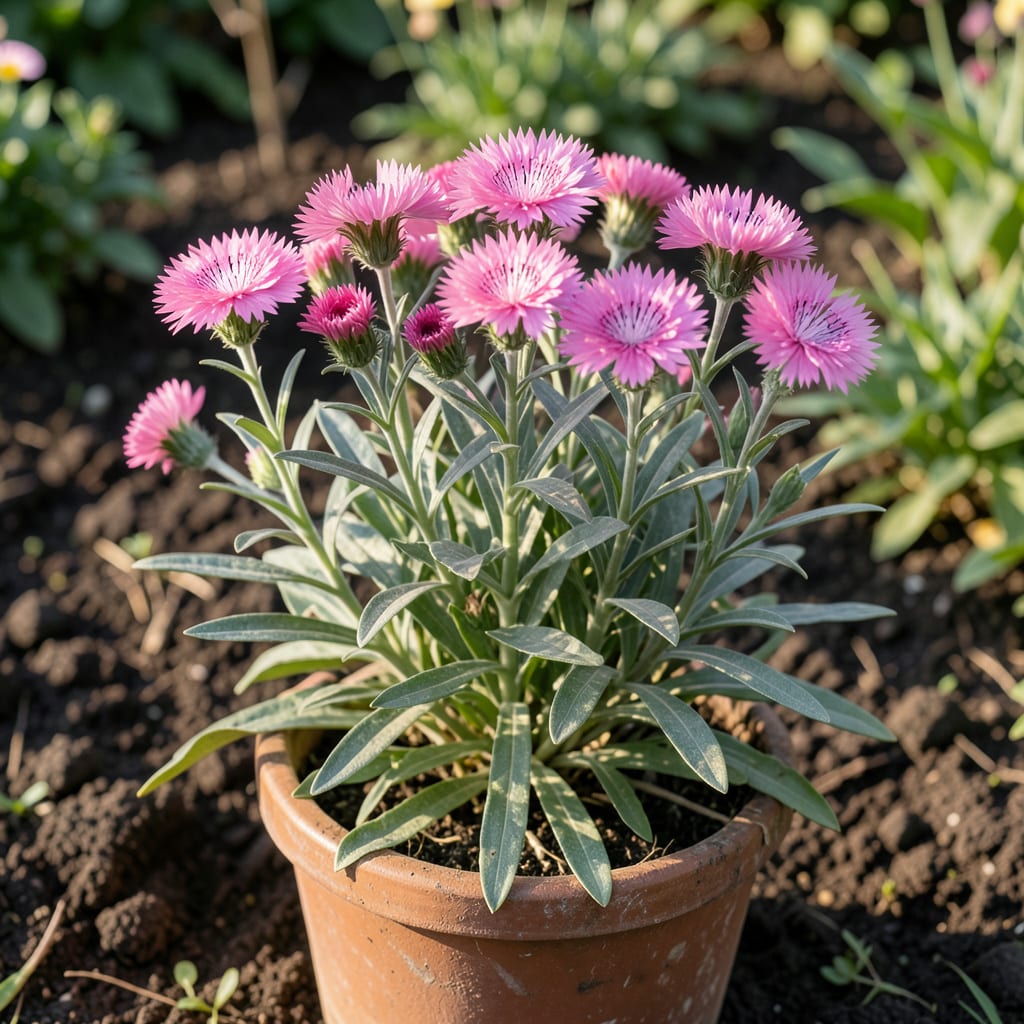
As a gardener, I’ve always been fascinated by Dianthus 💐 flowers and their vibrant blooms. These beautiful flowers can brighten up any garden, but understanding their blooming cycle is crucial to enjoying their beauty throughout the growing season.
In USDA Zone 6, Dianthus typically bloom from May to July, providing a stunning display of color during the spring and early summer months. Let’s dive into the details of their blooming duration and explore tips to maximize their flowering period.
Dianthus flowers are known for their vibrant colors and sweet fragrance, making them a popular choice among gardeners. The blooming duration of Dianthus can vary depending on several factors, including the variety, growing conditions, and maintenance practices. Generally, Dianthus bloom for 4-6 weeks in the spring and early summer months.
In USDA Zone 6, Dianthus typically start blooming in late May and continue through early July. However, the exact blooming period can vary depending on the specific variety and weather conditions. Some Dianthus varieties are bred to be repeat-bloomers, producing multiple flushes of flowers throughout the growing season.
The blooming duration of Dianthus can be influenced by various factors, including temperature, soil quality, and watering practices. In general, Dianthus prefer cooler temperatures and consistent moisture levels. By understanding these factors and providing optimal growing conditions, gardeners can enjoy a longer and more vibrant blooming period.
To maximize the blooming duration of Dianthus, gardeners can employ several strategies. One effective method is to deadhead spent flowers, which encourages the plant to produce new blooms. Additionally, providing regular fertilization and pruning can help promote healthy growth and extend the blooming period.
Dianthus are relatively low-maintenance plants, making them an excellent choice for gardeners of all skill levels. By understanding their blooming cycle and providing optimal care, gardeners can enjoy a beautiful and vibrant display of flowers throughout the growing season 🌼.
In summary, Dianthus bloom for 4-6 weeks in the spring and early summer months, with some varieties producing multiple flushes of flowers throughout the growing season. By providing optimal growing conditions and employing strategies such as deadheading and fertilization, gardeners can enjoy a longer and more vibrant blooming period 🌸.
For gardeners looking to extend the blooming period of their Dianthus, there are several tips to keep in mind. These include providing full sun and well-draining soil, as well as regular maintenance practices such as deadheading and fertilization.
By following these tips and providing optimal care, gardeners can enjoy a beautiful and vibrant display of Dianthus flowers throughout the growing season. With their sweet fragrance and vibrant colors, Dianthus are sure to be a hit in any garden 💐.
To maximize the blooming duration of Dianthus, gardeners can employ several effective strategies. One of the most critical steps is to deadhead spent flowers regularly, which encourages the plant to produce new blooms and prevents seed production 🌼.
Another important factor is fertilization. Using a balanced fertilizer (10-10-10 NPK) every 4-6 weeks during the growing season can promote healthy growth and extend the blooming period.
Remove spent flowers at the base of the stem to encourage new blooms and maintain plant appearance.
Apply balanced fertilizer every 4-6 weeks during the growing season to promote healthy growth.
Prune Dianthus after the first flush of blooms to encourage a second round of flowering.
By implementing these strategies, gardeners can enjoy a longer and more vibrant blooming period from their Dianthus plants. Regular maintenance practices such as deadheading, fertilization, and pruning can make a significant difference in the overall health and flowering performance of the plants 🌸.
In addition to these tips, ensuring that Dianthus receive full sun and are planted in well-draining soil can also contribute to a longer blooming period. By providing optimal growing conditions and following these maintenance tips, gardeners can maximize the beauty and flowering potential of their Dianthus 💐.
For optimal results, it’s essential to monitor the plants’ response to these strategies and adjust maintenance practices accordingly. With proper care and attention, Dianthus can provide a stunning display of color throughout the growing season.
By following these guidelines and providing the right conditions, gardeners can enjoy a prolonged and vibrant blooming period from their Dianthus plants, making them a delightful addition to any garden 🌼.
Gardeners often make mistakes that can significantly shorten the blooming period of their Dianthus plants. One of the most common errors is overwatering, which can lead to root rot and reduce flowering 🌼.
Another mistake is poor soil conditions. Dianthus prefer well-draining soil with a slightly alkaline pH. Soil that is too dense or retains too much water can cause root problems and reduce blooming.
Common gardening errors like overwatering and poor soil conditions can significantly reduce Dianthus bloom time. Be aware of these potential pitfalls to maximize your plant’s flowering potential.
Lack of maintenance is another factor that can shorten the blooming period. Failing to deadhead spent flowers and prune the plants after the first flush of blooms can reduce the overall flowering performance.
To avoid these common mistakes, gardeners should ensure their Dianthus receive proper care and attention. This includes providing full sun, well-draining soil, and regular maintenance practices like deadheading and pruning 🌸.
By being aware of these potential pitfalls and taking steps to avoid them, gardeners can enjoy a longer and more vibrant blooming period from their Dianthus plants. With proper care and attention, Dianthus can provide a stunning display of color throughout the growing season 💐.
Regular monitoring and adjustment of gardening practices can help prevent common mistakes and ensure optimal blooming performance. By following these guidelines, gardeners can maximize the beauty and flowering potential of their Dianthus.
Dianthus flowers usually bloom for 4-6 weeks in the spring and early summer months. The exact blooming period can vary depending on the specific variety and growing conditions. Some repeat-blooming varieties can produce multiple flushes of flowers throughout the growing season.
Several factors can influence the blooming duration of Dianthus, including the variety, growing conditions, and maintenance practices. Providing full sun, well-draining soil, and regular maintenance like deadheading and fertilization can help extend the blooming period.
Yes, you can encourage Dianthus to bloom longer by employing several strategies. Regular deadheading of spent flowers, fertilization every 4-6 weeks, and pruning after the first flush of blooms can help promote healthy growth and extend the blooming period.
Common mistakes that can shorten Dianthus bloom time include overwatering, poor soil conditions, and lack of maintenance. Avoiding these errors and providing optimal care can help maximize the blooming period.
