
Beautiful Plants For Your Interior
Beautiful Plants For Your Interior
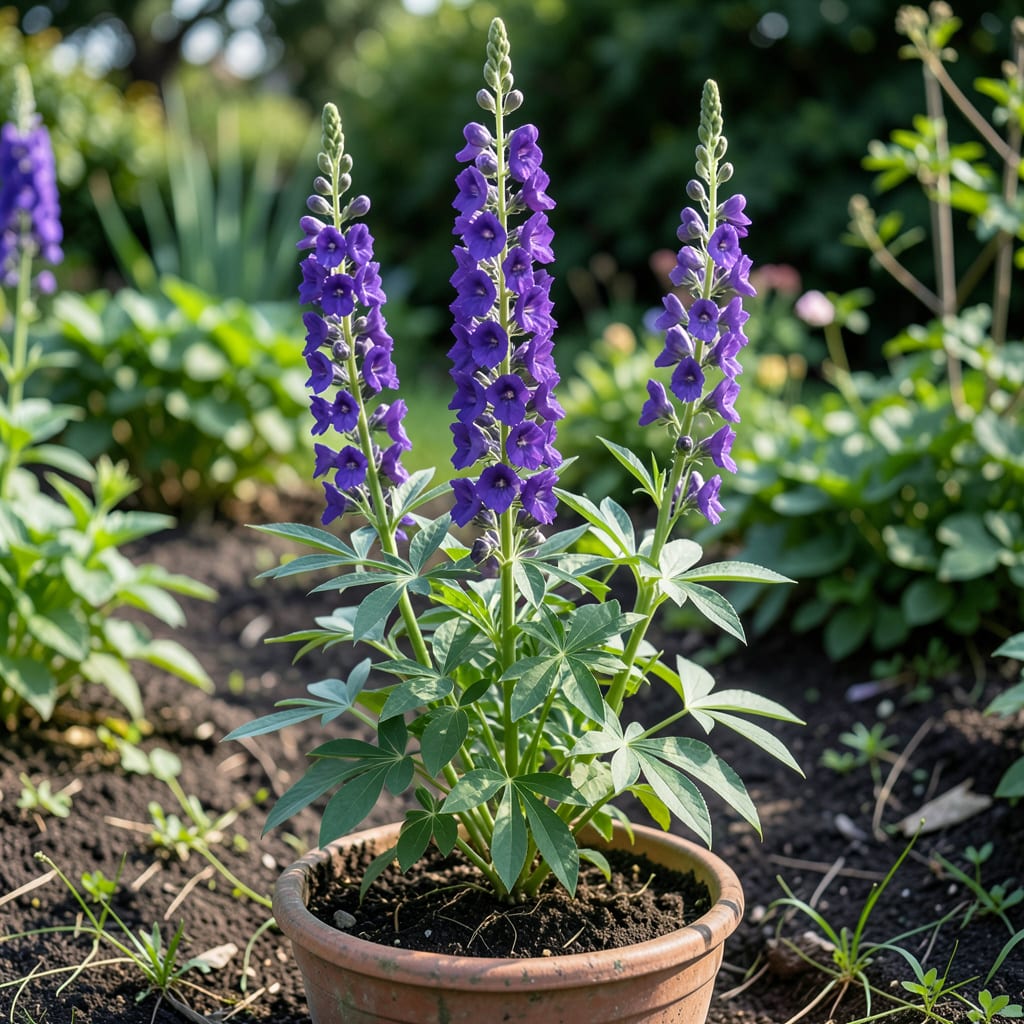
Delphiniums 💐 are a gardener’s delight with their tall, stately spikes of vibrant flowers. Understanding their blooming period is key to maximizing their beauty in your garden.
I’ve discovered that with proper care, these stunning flowers can bloom for a significant portion of the growing season. Let’s explore what affects their blooming duration and how to make the most of their flowering period.
Delphiniums are known for their stunning floral displays, but their blooming period can vary significantly based on several factors. Typically, delphiniums bloom for 4-6 weeks during the summer months, providing a dramatic display of color in the garden 🌼.
The exact duration of their bloom depends on factors such as climate, soil quality, and cultivar type. In general, delphiniums tend to bloom from mid-summer to early fall, with some varieties flowering earlier or later in the season.
Understanding these factors is crucial for gardeners who want to maximize their delphiniums’ blooming potential. By providing optimal growing conditions, gardeners can enjoy a longer and more vibrant display of flowers.
Delphiniums generally thrive in cool, moist conditions with well-draining soil. They require full sun to partial shade and benefit from regular watering and fertilization 🌻.
The specific cultivar of delphinium can also influence its blooming duration. Some varieties are bred for longer blooming periods, while others may have a more compact or extended flowering season.
By recognizing these variables, gardeners can better anticipate and manage their delphiniums’ blooming cycles, ensuring a continuous display of color throughout the growing season 💐.
Delphiniums are also known for their resilience and ability to naturalize in suitable environments. With proper care, they can become a staple in perennial gardens, providing beauty and structure to the landscape.
To further understand delphinium bloom patterns, it’s essential to consider the plant’s growth cycle. Delphiniums typically emerge in spring, grow rapidly throughout the season, and then bloom in summer.
This growth pattern is influenced by factors such as temperature, moisture, and nutrient availability. By optimizing these conditions, gardeners can promote healthy growth and encourage a more abundant bloom.
In conclusion, delphiniums offer a unique combination of height, color, and drama to the garden. Their blooming period, while variable, can be maximized with the right care and attention, making them a valuable addition to any perennial garden 🌼.
To maximize the blooming period of your delphiniums, it’s essential to implement proper gardening techniques. One effective method is deadheading, which involves removing spent flowers to encourage the plant to produce more blooms 🌼.
Regular fertilization is another critical factor in extending the blooming season. Delphiniums benefit from a balanced fertilizer applied every 4-6 weeks during the growing season. This promotes healthy growth and encourages more abundant flowering 🌻.
Delphiniums prefer consistent moisture, especially during dry spells. Water them deeply once or twice a week, depending on weather conditions 💧.
Delphiniums can grow quite tall, so providing stakes or cages can help prevent them from toppling over in the wind 🌳.
Regularly inspect your plants for signs of pests or diseases and take action promptly to prevent damage 🐜.
By implementing these strategies, you can enjoy a longer and more vibrant blooming season from your delphiniums.
In addition to these tips, it’s essential to consider the overall health of your delphiniums. This includes providing good air circulation around the plants to prevent fungal diseases and ensuring the soil remains well-draining 💧.
With proper care and attention, delphiniums can continue to thrive and provide a stunning display of color in your garden for weeks to come 🌻.
By following these guidelines and being mindful of your delphiniums’ needs, you can create a beautiful and thriving garden that showcases these magnificent flowers 🌼.
After delphiniums finish blooming, it’s essential to provide proper care to maintain their health and encourage future flowering. One of the first steps is to remove the spent flower spikes, a process known as deadheading 🌼.
This not only improves the plant’s appearance but also directs its energy towards re-growing and storing energy for the next blooming season. When deadheading, cut the stem back to the first set of leaves below the flower spike 🌿.
After blooming, consider cutting back delphiniums to about half their height to encourage new growth and prevent seed production 🌻.
Following the blooming period, delphiniums may produce seed pods. If you wish to collect seeds for propagation, allow the pods to dry on the plant before harvesting 🌾.
For gardeners not interested in seed production, removing the seed pods can help maintain the plant’s appearance and prevent unwanted self-seeding 🌱.
As the foliage begins to yellow and die back, it’s a sign that the plant is entering dormancy. At this stage, you can cut the stems back to ground level, making way for new growth in the spring 🌿.
During the dormant season, ensure the soil remains well-draining and consider applying a layer of mulch to protect the roots from extreme temperatures ❄️.
By following these post-bloom care steps, you can help your delphiniums remain healthy and vigorous, setting them up for a successful blooming season in the years to come 🌼.
Proper post-bloom care also includes monitoring for any signs of disease or pests during the dormant season. This proactive approach helps prevent issues before they become major problems 🐜.
With these care practices in place, your delphiniums will be well-prepared to thrive and provide another stunning display of flowers when the next growing season arrives 🌻.
To extend the blooming period, practice deadheading by removing spent flowers to encourage more blooms. Regular fertilization every 4-6 weeks during the growing season also promotes healthy growth and abundant flowering.
The blooming period is influenced by climate, soil quality, and cultivar type. Delphiniums thrive in cool, moist conditions with well-draining soil and full sun to partial shade.
After blooming, remove the spent flower spikes to direct the plant’s energy towards re-growing and storing energy for the next season. You can also cut back delphiniums to about half their height to encourage new growth.
While delphiniums typically bloom once per season, some varieties may produce additional flowers if properly cared for. Deadheading and regular fertilization can encourage a second, smaller bloom.
