
Beautiful Plants For Your Interior
Beautiful Plants For Your Interior
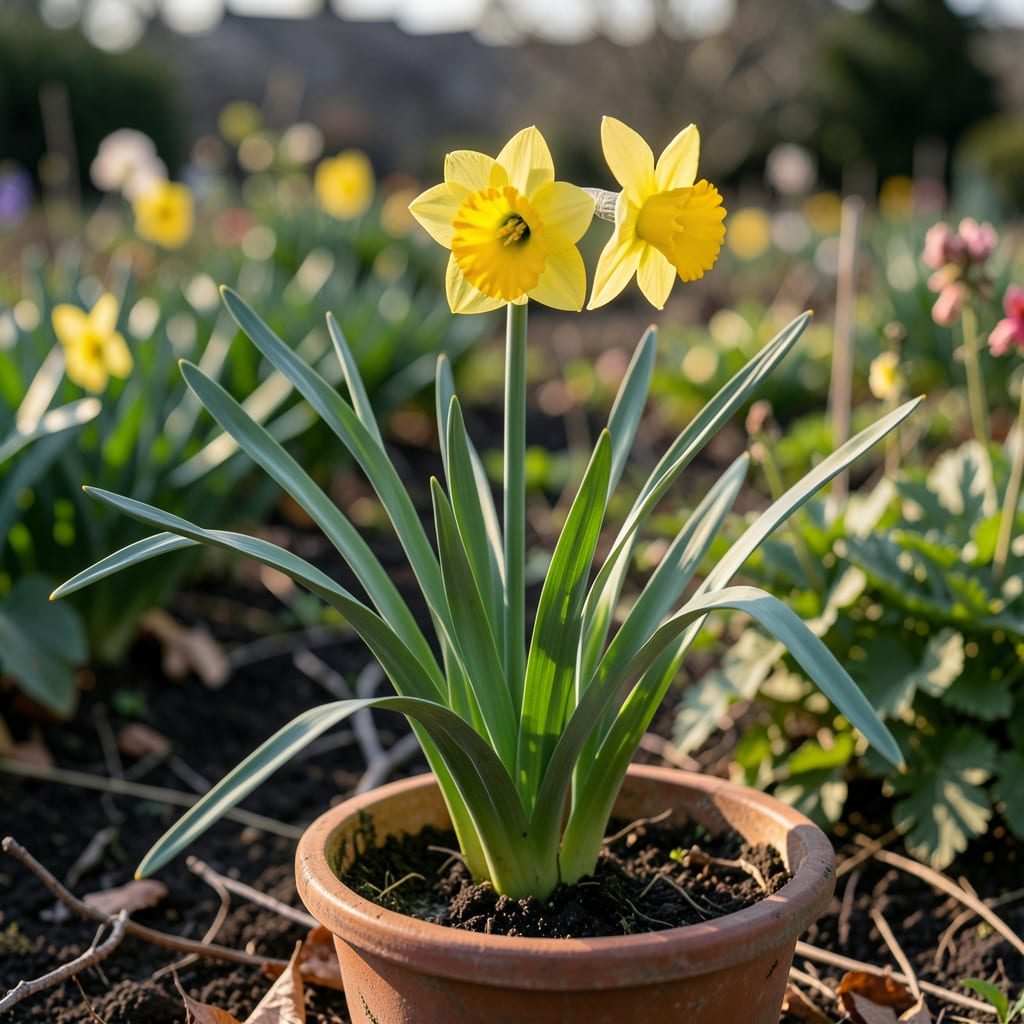
As spring arrives, daffodils 💐 burst into bloom, bringing vibrant color to gardens everywhere. But their beautiful display is relatively short-lived, leaving many gardeners wondering how to make the most of their flowering period.
In USDA Zone 6, daffodils typically bloom for 3-6 weeks in early spring. Understanding the factors that affect their blooming duration can help you maximize their display and plan for a longer flowering season.
Daffodils are one of the first signs of spring, but their blooming period can be influenced by several factors. Understanding these factors helps gardeners maximize their display and plan for a longer flowering season 🌼.
The blooming duration of daffodils typically ranges from 3 to 6 weeks, depending on the variety and growing conditions. Weather plays a significant role in determining how long daffodils stay in bloom.
Weather conditions significantly impact daffodil bloom duration. Cooler temperatures can prolong the bloom, while warmer weather tends to shorten it. In general, daffodils bloom longer in cooler spring weather 🌸.
The soil quality is another critical factor. Daffodils planted in well-draining soil with plenty of organic matter tend to have a longer blooming period. Soil that is too, rich in nutrients and retains moisture appropriately, can support daffodils in staying in bloom longer 💧.
The variety of daffodil also plays a role. Some daffodil varieties are bred for longer blooming periods, while others may bloom more briefly. Gardeners can choose early, mid-season, and late-blooming varieties to extend the overall flowering season 📅.
In addition to these factors, proper care and maintenance can also influence how long daffodils stay in bloom. This includes practices like deadheading and allowing the foliage to die back naturally 🌿.
Deadheading, or removing spent flowers, can help direct the plant’s energy towards re-growing and storing energy for the next year’s bloom, rather than seed production. However, it’s essential to allow the foliage to die back naturally after blooming, as this process is crucial for the bulb’s rejuvenation 🌱.
By understanding these factors and implementing proper care techniques, gardeners can enjoy their daffodils for a longer period and plan for a more extended flowering season 🌻.
For gardeners in USDA Zone 6, daffodils are typically planted in the fall, about 6-8 weeks before the ground freezes. This allows the bulbs to establish themselves before the winter, leading to a robust bloom in the spring 🥶.
The ideal planting time for daffodils in Zone 6 is September through November. Planting during these months gives the bulbs enough time to develop a strong root system before the onset of winter ❄️.
Overall, while the natural blooming period of daffodils is relatively short, gardeners can influence the duration through careful selection of varieties and proper gardening practices 🌼.
By choosing a mix of early, mid-season, and late-blooming daffodil varieties, gardeners can enjoy blooms for several weeks. This strategy, combined with optimal growing conditions, can maximize the blooming period 📆.
To maximize your daffodils’ blooming period, it’s essential to understand the proper care and maintenance techniques that can help prolong their flowering season 🌼.
By implementing a few simple gardening practices, you can enjoy your daffodils for a longer period. Here are some practical tips to help you get the most out of your daffodils 💐.
Choose a mix of early, mid-season, and late-blooming daffodil varieties to extend the overall flowering season 📅.
Remove spent flowers to direct the plant’s energy towards re-growing and storing energy for the next year’s bloom 🌱.
Let the foliage die back naturally after blooming, as this process is crucial for the bulb’s rejuvenation 🌿.
In addition to these tips, proper soil care and adequate watering can also contribute to a longer blooming period. Ensure your daffodils are planted in well-draining soil with plenty of organic matter 💧.
Water your daffodils regularly during their growth period, but avoid overwatering, which can lead to bulb rot and other issues ☔️.
By following these simple yet effective tips, you can enjoy a longer and more vibrant daffodil blooming season 🌻.
For gardeners in USDA Zone 6, daffodils are typically planted in the fall, about 6-8 weeks before the ground freezes. This allows the bulbs to establish themselves before the winter, leading to a robust bloom in the spring 🥶.
The ideal planting time for daffodils in Zone 6 is September through November. Planting during these months gives the bulbs enough time to develop a strong root system before the onset of winter ❄️.
Overall, with the right care and maintenance, you can maximize your daffodils’ blooming period and enjoy their beautiful flowers for weeks to come 🌼.
To enjoy daffodils throughout the spring season, gardeners can implement strategies for staggered planting and variety selection. This approach ensures a continuous display of blooms 🌼.
By choosing a mix of early, mid-season, and late-blooming daffodil varieties, gardeners can extend the flowering period. This diversity in blooming times creates a dynamic and prolonged display of color in the garden 📅.
Plan for continuous daffodil blooms by selecting a mix of early, mid-season, and late-blooming varieties to enjoy flowers throughout spring 🌻.
Staggered planting involves planting daffodil bulbs at different times to achieve a succession of blooms. While daffodils are typically planted in the fall, varying the planting time slightly can help stagger the bloom times 🥶.
Variety selection is crucial for achieving continuous blooms. Gardeners should choose daffodil varieties known for their different blooming periods. This includes selecting early, mid-season, and late-blooming types to ensure a prolonged flowering season 📆.
In addition to variety selection, planting in different locations can also impact bloom times. Daffodils planted in warmer microclimates tend to bloom earlier than those in cooler areas ❄️.
By combining these strategies, gardeners can create a garden with a continuous display of daffodils throughout the spring. This thoughtful approach to planting and variety selection maximizes the blooming period and enhances the overall gardening experience 🌻.
For gardeners in USDA Zone 6, daffodils are typically planted in the fall, about 6-8 weeks before the ground freezes. This allows the bulbs to establish themselves before winter 🥶.
The ideal planting time for daffodils in Zone 6 is September through November. Planting during these months gives the bulbs enough time to develop a strong root system before winter ❄️.
Overall, with careful planning and the right strategies, gardeners can enjoy a prolonged and vibrant daffodil blooming season 🌼.
Daffodils usually bloom for 3-6 weeks in early spring, depending on the variety and weather conditions. Cooler temperatures can prolong the bloom, while warmer weather tends to shorten it .
Yes, you can extend the blooming period by planting multiple varieties that bloom at different times. This includes choosing early, mid-season, and late-blooming types to create a staggered blooming effect .
Weather conditions significantly impact daffodil bloom duration. Cooler temperatures prolong the bloom, while warmer weather shortens it. Daffodils generally bloom longer in cooler spring weather .
After blooming, remove spent flowers (deadhead) to direct the plant’s energy towards re-growing and storing energy for next year’s bloom. Allow the foliage to die back naturally to help rejuvenate the bulb .
