
Beautiful Plants For Your Interior
Beautiful Plants For Your Interior
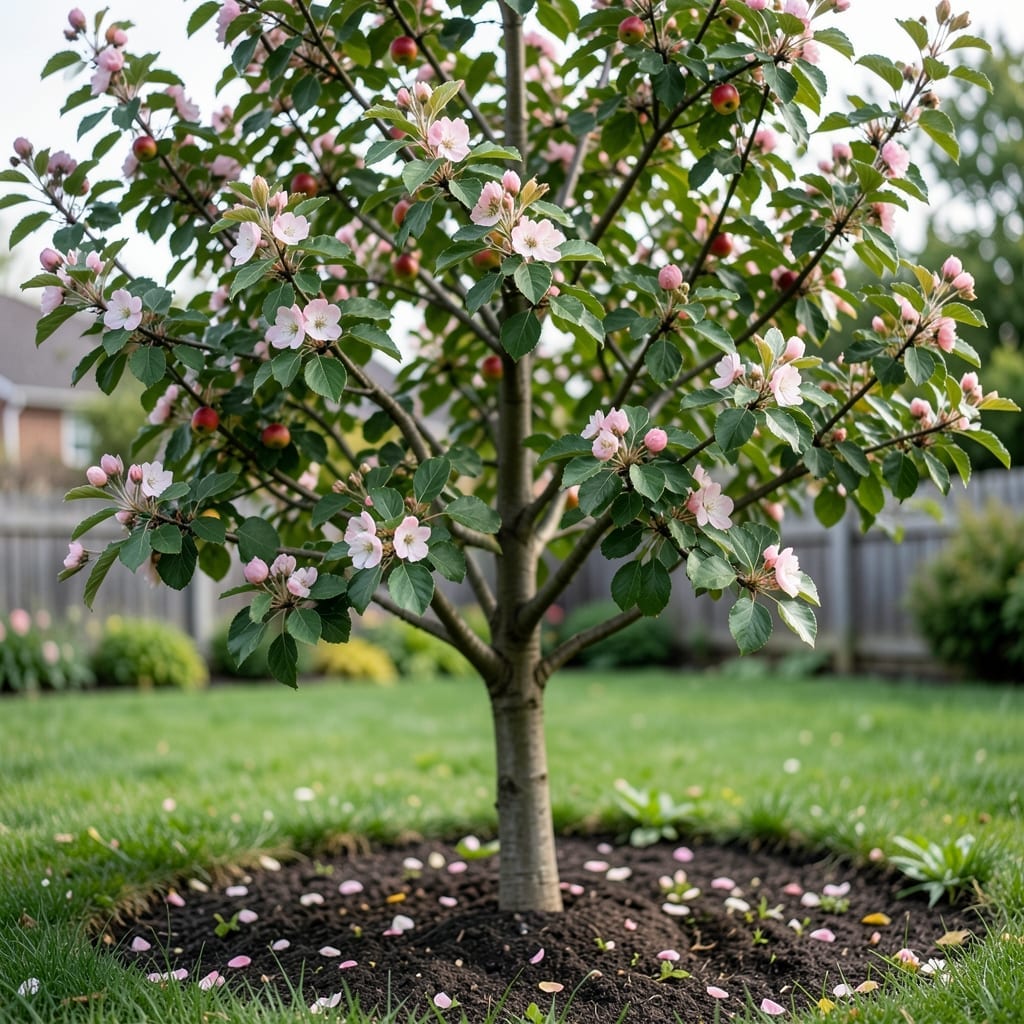
There’s something magical about watching a Crabapple Tree 🌳 transform your yard each spring with its burst of colorful blossoms. But as fleeting as these blooms can seem, their beauty packs a powerful punch.
I remember my first season with one – the shock of how quickly those stunning flowers appeared and disappeared. It made me wonder: how long do we actually get to enjoy this spectacle?
What I discovered changed how I plan my garden’s seasonal display. The blooming period might surprise you with its brevity, but there are ways to extend the show.
Discover the typical timeline for these trees and what factors can influence it. Your landscape’s spring color depends on understanding this cycle.
I’ve found that most crabapple trees put on their floral show for about 1-2 weeks each spring. This short but spectacular window typically arrives in mid-to-late spring, depending on your climate and the specific variety you’ve planted.
The exact timing can shift by a few days to a week based on factors like local weather, soil temperature, and even the age of the tree. In warmer zones, blooms may appear earlier, while cooler areas see them a bit later.
| Factor | Impact on Blooming |
|---|---|
| Climate Zone | Warmer zones bloom 1-2 weeks earlier |
| Tree Age | Mature trees bloom more reliably |
| Spring Weather | Late frosts can delay blooms |
| Variety | Some cultivars bloom up to 3 weeks |
In my experience, the peak bloom lasts about 5-7 days, with the flowers gradually opening and fading. The entire process from first bud to last petal drop usually spans 10-14 days, though this can vary.
Early varieties like ‘Hopa’ crabapple often start blooming as soon as the frost danger has passed. Meanwhile, later varieties such as ‘Centurion’ might hold off until late spring, extending your garden’s floral display.
I notice that trees in full sun positions tend to bloom slightly earlier than those in partial shade. The extra warmth seems to accelerate their biological clock, bringing those beautiful blossoms out a few days sooner.
Another interesting observation: younger trees sometimes take a year or two to establish their blooming rhythm. Once mature, they’ll consistently produce their spring show, provided they’re healthy and well-cared for.
For gardeners in USDA zones 4-8, where crabapples thrive, you’ll typically see blooms anytime from late March to early May. The cooler your spring, the later the flowers will appear.
The color of the blooms can also give you clues about timing. White-flowering varieties often bloom slightly earlier than those with pink or red blossoms, which tend to open a bit later in the season.
Remember that while the blooming period is brief, the visual impact is tremendous. A single mature crabapple in full bloom can become the focal point of your entire landscape during those precious spring weeks. 🌳
If you’ve ever watched your crabapple tree’s blooms fade too quickly, you’re not alone. I’ve found that with the right care, you can extend the flowering period by several days or even a week. It starts with understanding what these trees need most during their blooming phase.
The key is consistent moisture without waterlogging the roots. I water my trees deeply once a week during dry spells, always in the morning to prevent fungal issues. This simple step can make a noticeable difference in bloom longevity.
Another game-changer is pruning timing. I learned the hard way that pruning at the wrong time can cost you next year’s blooms. Always prune immediately after flowering to give the tree time to set new buds for the following season.
Soil health plays a bigger role than many realize. I test my soil annually and amend with compost to ensure proper drainage and nutrient availability. Crabapples thrive in slightly acidic to neutral soil with a pH between 6.0 and 7.0.
Don’t overlook variety selection when planting new trees. Some cultivars like ‘Prairifire’ or ‘Snowdrift’ are known for their longer blooming periods compared to others. I always research before adding to my landscape.
Finally, protect your trees from late frosts which can damage emerging blooms. A simple frost cloth on cold nights can save your entire blooming season. It’s a small effort for a big payoff in extended color.
With these practices, I’ve managed to enjoy my crabapple blooms for up to 10-14 days instead of the typical week 🌷