
Beautiful Plants For Your Interior
Beautiful Plants For Your Interior
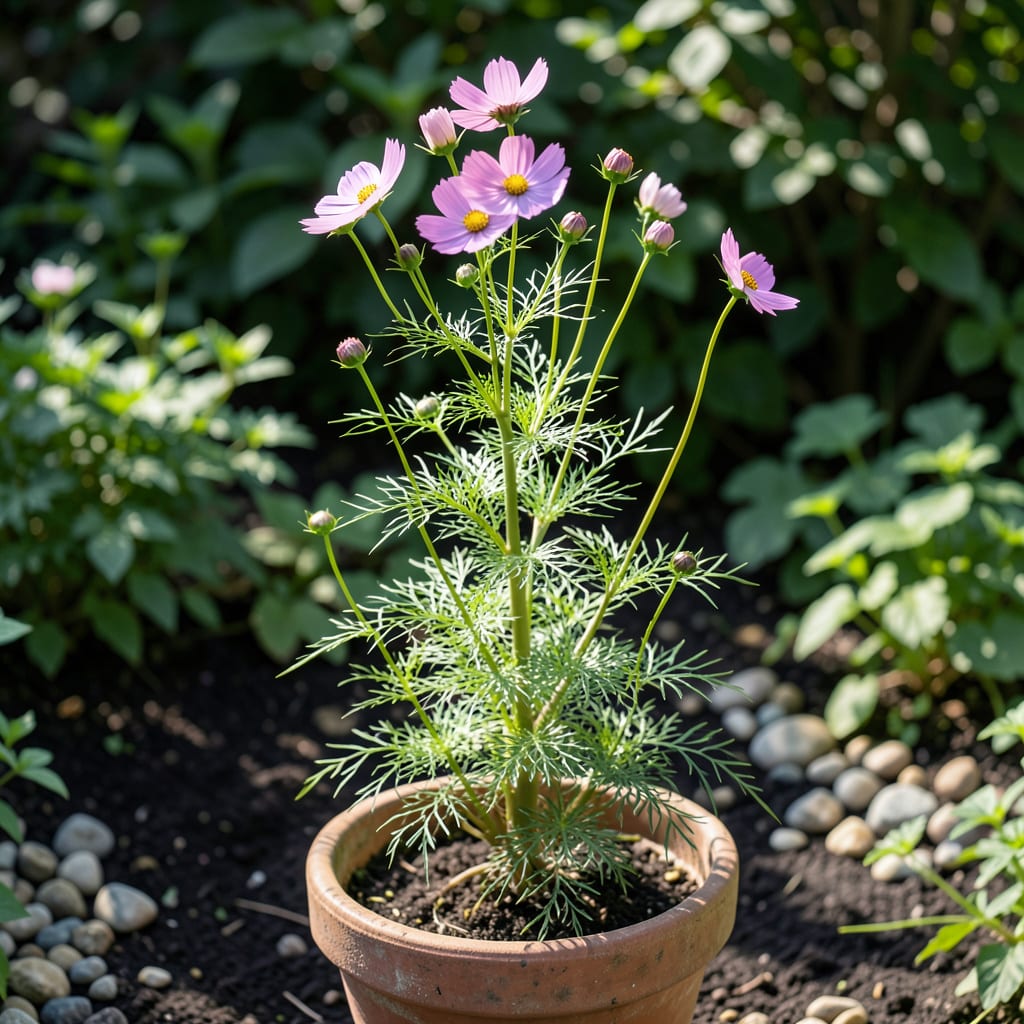
Cosmos 💐 flowers are a gardener’s delight in USDA Zone 6, providing vibrant color throughout the growing season. Their blooming cycle is key to maximizing their beauty in your garden.
I’ve discovered that understanding how long cosmos bloom and what affects their flowering duration can help you enjoy these beautiful flowers for months. Let’s explore the factors that influence their blooming period and how to make the most of it.
Cosmos flowers are known for their vibrant colors and extended blooming periods, typically flowering from mid-summer to early fall in USDA Zone 6. The exact duration depends on factors like variety, growing conditions, and maintenance practices 🌼.
I’ve found that cosmos generally bloom for 8 to 12 weeks, with some varieties continuing to produce flowers until the first frost. The blooming period can be influenced by the specific cultivar, with some being bred for longer flowering seasons.
The blooming cycle of cosmos is also affected by their growing conditions. They thrive in full sun and well-draining soil, which can help maximize their flowering potential. In ideal conditions, cosmos can continue to bloom for several months, providing a long-lasting display of color 💐.
To understand how long cosmos bloom, it’s essential to consider the different varieties available. Some cosmos varieties are bred for their compact growth and shorter blooming periods, while others are known for their tall stems and extended flowering seasons.
Variety selection plays a crucial role in determining the bloom duration. Some popular varieties include Sensation Mix, Sonata, and Pink Species cosmos. Each variety has its unique characteristics and blooming habits.
In addition to variety, growing conditions significantly impact the blooming period of cosmos. Factors such as soil quality, watering, and temperature can all influence how long cosmos bloom.
Cosmos prefer well-draining soil and consistent moisture, especially during their germination and early growth stages. However, they are relatively drought-tolerant once established.
Maintenance practices also play a role in extending the blooming season of cosmos. Regular deadheading can encourage more blooms, while fertilization can promote healthy growth and flowering.
By understanding the factors that affect cosmos bloom duration and implementing proper care techniques, gardeners can enjoy these beautiful flowers for an extended period.
Cosmos are generally low-maintenance plants that require minimal care beyond regular watering and occasional fertilization. Their ability to attract pollinators and add vibrant color to the garden makes them a popular choice among gardeners.
Overall, cosmos are a versatile and attractive addition to any garden, providing a long-lasting display of color and texture throughout the growing season.
To maximize the blooming season of cosmos, gardeners can employ several strategies that encourage prolonged flowering. One of the most effective methods is regular deadheading, which involves removing spent flowers to promote the growth of new blooms 🌼.
I’ve found that deadheading not only keeps the plants looking tidy but also stimulates them to produce more flowers. By removing the faded blooms, you’re signaling the plant to focus its energy on producing new flowers rather than seed production.
Prepare the soil with organic matter like compost to improve drainage and fertility.
Sow cosmos seeds in succession every 2-3 weeks for a continuous blooming season.
Use a balanced fertilizer during the growing season to promote healthy growth and flowering.
In addition to deadheading and fertilization, proper watering is crucial for extending the blooming season of cosmos. These plants prefer consistent moisture, especially during their germination and early growth stages.
However, cosmos are relatively drought-tolerant once established. Overwatering can lead to root rot and other problems, so it’s essential to strike a balance between keeping the soil moist and avoiding excessive watering.
Planting strategies can also impact the duration of the cosmos blooming season. Sowing seeds in succession every 2-3 weeks can provide a continuous display of flowers throughout the growing season.
By implementing these strategies, gardeners can enjoy a prolonged and vibrant display of cosmos flowers. With proper care and attention, cosmos can bloom for several months, adding beauty and color to the garden 🌼.
Overall, extending the cosmos blooming season requires a combination of good gardening practices, including deadheading, fertilization, proper watering, and strategic planting.
When growing cosmos, gardeners often make mistakes that can significantly shorten their blooming period. One of the most common errors is over-fertilization, which can lead to excessive foliage growth at the expense of flower production 🌼.
I’ve seen many gardeners mistakenly believe that more fertilizer means more blooms, but cosmos actually thrive in poor soil with minimal feeding. Over-fertilization can cause the plants to become leggy and produce fewer flowers.
Cosmos are sensitive to excessive moisture. Avoid watering too frequently, as this can lead to root rot and other issues that shorten the blooming period.
Poor soil drainage is another mistake that can negatively impact cosmos bloom duration. These plants prefer well-draining soil, and waterlogged conditions can cause root rot and reduce flowering.
To avoid this, ensure that your soil has good drainage by adding organic matter like compost. This will help prevent water from accumulating around the roots and reduce the risk of root rot.
Improper watering techniques can also shorten the cosmos blooming season. While cosmos need consistent moisture during their germination and early growth stages, they are relatively drought-tolerant once established.
However, it’s essential to avoid overwatering, which can lead to root rot and other problems. Water cosmos plants deeply but infrequently to encourage deep root growth and make them more resistant to dry spells.
By avoiding these common mistakes, gardeners can help ensure that their cosmos plants bloom for as long as possible. With proper care and attention, cosmos can provide a vibrant display of color throughout the growing season 🌼.
Overall, understanding the common mistakes that can shorten cosmos bloom periods is crucial for maximizing their flowering potential. By being aware of these potential pitfalls, gardeners can take steps to prevent them and enjoy a longer blooming season.
Cosmos usually bloom for 8 to 12 weeks, providing a vibrant display of color throughout the summer and into early fall. The exact duration depends on factors like variety, growing conditions, and maintenance practices. With proper care, some cosmos varieties continue blooming until the first frost .
Several factors influence how long cosmos bloom, including variety selection, growing conditions, and maintenance practices. Cosmos thrive in full sun and well-draining soil, and regular deadheading can encourage more blooms. Proper care can help maximize their flowering potential .
Yes, you can extend the cosmos blooming season by employing several strategies. Regular deadheading encourages more blooms, while sowing seeds in succession every 2-3 weeks provides a continuous display of flowers. Using a balanced fertilizer during the growing season also promotes healthy growth and flowering .
Common mistakes that can shorten cosmos bloom periods include over-fertilization, poor soil drainage, and improper watering techniques. Avoid overwatering, as cosmos are relatively drought-tolerant once established. Ensuring good soil drainage and avoiding excessive fertilization can help prevent these issues .
