
Beautiful Plants For Your Interior
Beautiful Plants For Your Interior
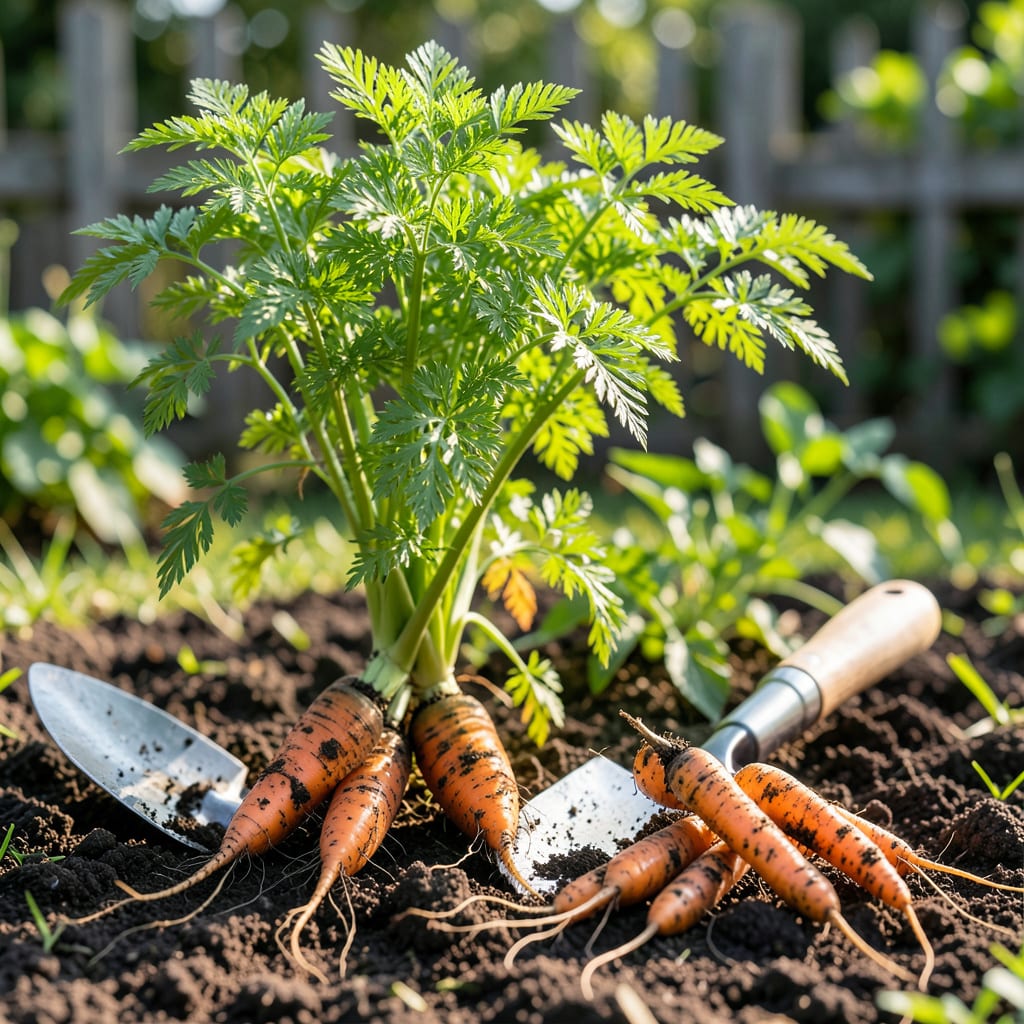
Watching your 🥕 carrot seeds sprout is exciting, but knowing exactly when they’ll be ready to harvest takes the guesswork out of gardening.
The timeline from seed to table isn’t one-size-fits-all—it depends on variety, growing conditions, and even your climate. Most carrots are ready in 50-80 days, but I’ll show you how to spot the perfect moment.


If you’ve ever wondered how long carrots take to go from seed to harvest, the answer varies by type. Early varieties like ‘Paris Market’ can be ready in 50-60 days, while maincrop types often need 70-80 days. I’ve found that soil temperature and daylight hours play huge roles in speeding up or slowing down growth.
For example, ‘Nantes’ carrots typically mature in 65-70 days, but in cooler climates, they might take a bit longer. Meanwhile, ‘Danvers’ varieties usually need 75 days or more. It’s all about matching the carrot type to your growing conditions for the best results.
| Variety | Days to Harvest | Notes |
|---|---|---|
| Paris Market | 50-60 | Round, early type |
| Nantes | 65-70 | Smooth, sweet flavor |
| Danvers | 75-80 | Classic orange, long roots |
| Chantenay | 70-75 | Short, sturdy roots |
I always recommend checking the seed packet for the exact days to maturity, as this can vary slightly between brands. Soil temperature is another critical factor—carrots grow fastest when the soil is between 60-68°F. If it’s too cold, germination slows down significantly.
In my experience, succession planting can extend your harvest window. Try sowing a new batch of early carrots every 2-3 weeks for a continuous supply. This works especially well in spring and fall, when temperatures are milder.
Don’t forget that day length affects growth too. Longer days in early summer can speed up maturity, while shorter days in fall might slow it down. I’ve noticed my fall-planted carrots often take a bit longer but taste sweeter due to the cooler weather.
If you’re growing in containers, choose shorter varieties like ‘Paris Market’ or ‘Little Finger’. These are bred to thrive in limited space and typically mature in 60 days or less. Just ensure your container is deep enough—at least 12 inches for proper root development.
For those in warmer climates, consider shade cloth to protect your carrots from excessive heat, which can cause bitter flavors and stunted growth. I’ve used 30% shade cloth during peak summer with great success.
Finally, remember that consistent moisture is key. Dry soil can lead to cracked or misshapen roots, while overwatering may cause rot. Aim for 1 inch of water per week, and always water at the base of the plants to avoid wetting the foliage.
With these tips, you’ll be pulling up perfect carrots right on schedule 🌱
Timing your carrot harvest perfectly ensures the best flavor and texture. I look for shoulder diameter of at least ½ inch and foliage height around 6-8 inches as key indicators. The color at the soil line should be a vibrant orange for most varieties.
The “finger test” is my go-to method. Gently brush away soil at the root crown to check size. If the top of the carrot looks thick and sturdy, it’s likely ready. For longer varieties, I sometimes use a small trowel to expose more of the root without damaging it.
One common mistake is harvesting too early. Immature carrots often taste bitter or woody. On the flip side, leaving them too long can result in tough, fibrous roots, especially in hot weather. I’ve learned to check daily once they’re close to maturity.
For fall crops, I often let carrots stay in the ground a bit longer. The cooler temperatures sweetens their flavor. Just be sure to harvest before the first hard frost, or cover them with mulch or row covers to extend the season.
If you’re growing baby carrots, they’ll be ready sooner—often in 30-50 days. These are perfect for small spaces or quick harvests. I love planting a row of ‘Little Finger’ for an early treat.
Remember, consistent moisture affects size and taste. Uneven watering can cause cracking or splitting. I water deeply once a week, more often in hot, dry spells, to keep the soil evenly moist.
With these tips, you’ll know exactly when to pull those perfect carrots from the soil ☀️
If you want to control your harvest timing, I’ve found a few tricks that work wonders. Row covers can add warmth in cool springs, speeding up growth by 1-2 weeks. This is especially helpful for early varieties like ‘Paris Market’.
For a longer harvest window, try succession planting. Sow new carrot seeds every 2-3 weeks to ensure a steady supply. I do this in both spring and fall for continuous fresh carrots.
If your summer temps soar above 85°F, carrots may bolt or develop woody textures. I combat this by planting in partial shade or using 30% shade cloth to filter sunlight.
For faster growth, ensure your soil stays loose and well-draining. Compacted soil stunts root development, adding 10-15 days to maturity. I always loosen soil to 12 inches deep before planting.
In cooler climates, black plastic mulch can warm the soil, helping carrots mature faster in spring. Just remove it once temperatures rise to avoid overheating the roots.
With these adjustments, you’ll master the harvest timeline like a pro ✂️
Soil temperature and daylight hours are key. Carrots grow fastest in 60-68°F soil. Cooler temps slow growth, while longer days speed it up. Variety matters too—early types mature in 50-60 days.
You can, but they’ll taste bitter or woody. Wait until shoulders reach at least ½ inch diameter. Baby carrots are the exception—they’re ready in 30-50 days and meant to be small.
Use the “finger test”: gently brush soil from the root crown. If it looks thick and sturdy, it’s ready. Also check for vibrant color at the soil line.
Overmature carrots become tough and fibrous, especially in hot weather. In cool fall conditions, they’ll sweeten but may crack if left past peak size.
