
Beautiful Plants For Your Interior
Beautiful Plants For Your Interior
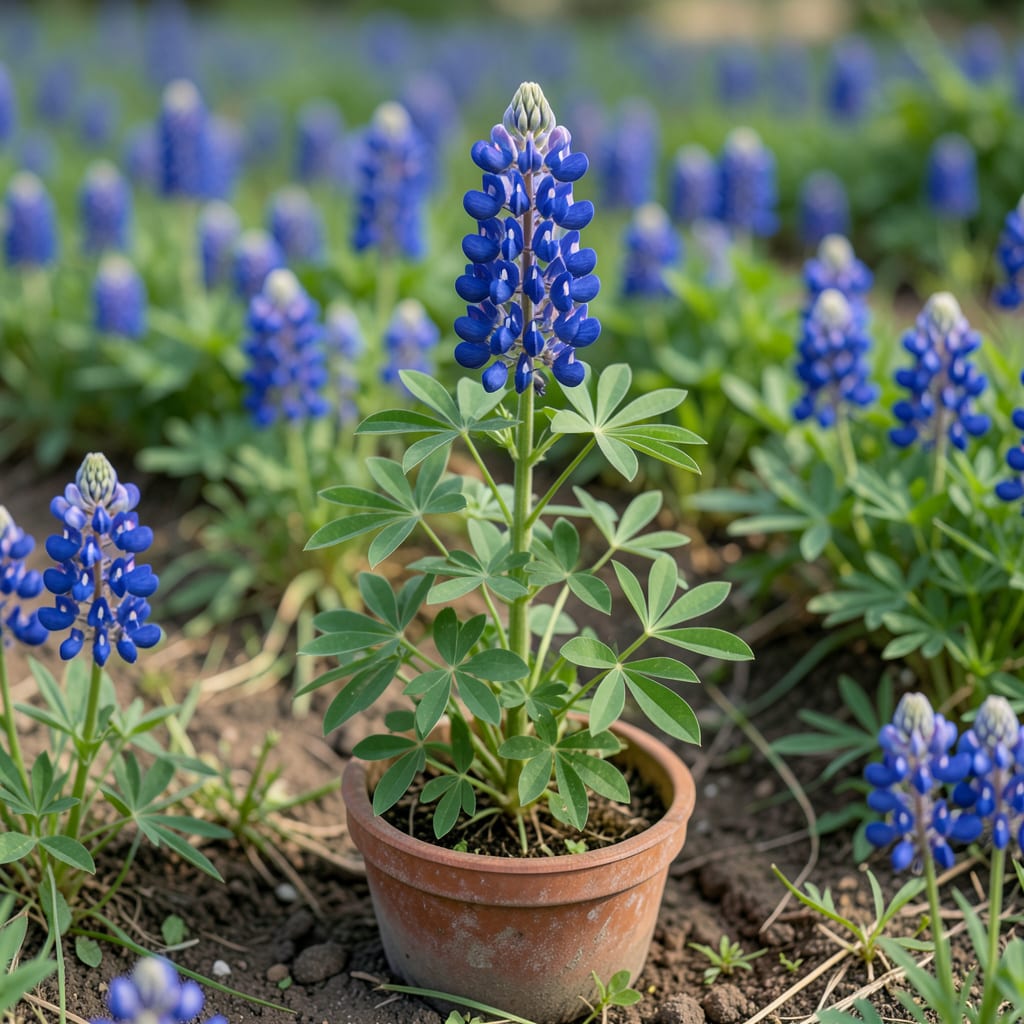
As a Texas native, I’ve always been fascinated by the vibrant blue carpet that Bluebonnets 💐 create across the hills each spring. But knowing exactly how long they’ll bloom can help you plan your perfect viewing trip.
The blooming period of Bluebonnets in Texas typically lasts 4-6 weeks, usually occurring from late March to early May, with peak bloom often happening in April. Factors like weather conditions and soil quality can affect the duration.
Bluebonnets are a beloved Texas wildflower that blooms in the spring, creating a vibrant blue carpet across the hills. The blooming period typically lasts 4-6 weeks, usually occurring from late March to early May, with peak bloom often happening in April.
Several factors can affect the duration of the bloom, including weather conditions, soil quality, and regional variations across Texas. Understanding these factors can help you plan your bluebonnet viewing trip.
The weather conditions play a significant role in determining the bloom duration. Bluebonnets thrive in mild temperatures and adequate moisture. A warm winter followed by a cool, wet spring can lead to a longer bloom period.
Soil quality is another crucial factor. Bluebonnets prefer well-drained soil with a slightly acidic to neutral pH. Soil that is too rich or too poor can affect the bloom duration.
Regional variations across Texas also impact the bloom duration. Bluebonnets in the central and southern parts of the state tend to bloom earlier than those in the northern regions.
By understanding these factors, you can better anticipate the blooming period and plan your viewing trip accordingly. Whether you’re a local or just visiting Texas, the bluebonnet bloom is a natural spectacle worth experiencing 🌼.
The blooming period can vary from year to year, but with the right conditions, bluebonnets can create a stunning display of color across the Texas landscape.
Bluebonnets are not just a beautiful sight; they also have ecological significance. They are a vital source of nectar for pollinators and help to maintain soil health.
In addition to their beauty and ecological importance, bluebonnets have cultural significance in Texas. They are the state flower and a symbol of the state’s natural beauty.
Overall, the bluebonnet bloom is a unique and unforgettable experience. With the right conditions and a little planning, you can witness the vibrant blue beauty of these iconic wildflowers.
By planning your trip during the peak bloom season, you can experience the full beauty of the bluebonnets. Whether you’re a nature lover, photographer, or just someone who appreciates beauty, the bluebonnet bloom is an event not to be missed 🌼.
Understanding when and where bluebonnets bloom most intensely can help you plan your viewing trip. The peak bloom season typically occurs in April, but can vary depending on weather conditions and regional variations across Texas 🌼.
Some of the best viewing spots include Enchanted Rock, Wildflower Trails in the Hill Country, and fields along highways in central Texas. Weather conditions, particularly temperature and rainfall, can significantly impact the bloom.
The peak bluebonnet bloom season in Texas usually occurs in April, with the best viewing spots in the Hill Country and along highways in central Texas.
The timing of the bloom can vary from year to year, but generally, bluebonnets start blooming in late March and continue through early May. The intensity of the bloom is influenced by factors such as soil quality, moisture levels, and temperature fluctuations.
Regional variations across Texas also play a significant role in determining the peak bloom season. Bluebonnets in the southern parts of the state tend to bloom earlier than those in the northern regions. This variation allows for a longer viewing season across different parts of Texas.
To maximize your bluebonnet viewing experience, consider visiting areas with well-drained soil and full sun. The Hill Country is particularly renowned for its stunning bluebonnet displays 🌟.
By planning your trip during the peak bloom season and visiting the right locations, you can witness the breathtaking beauty of Texas bluebonnets. Whether you’re a nature enthusiast or just looking for a scenic drive, the bluebonnet bloom is an event not to be missed 🌼.
The bluebonnet bloom is not just a visual treat; it’s also an important event for local ecosystems. The flowers provide a vital source of nectar for pollinators and contribute to the overall health of the environment.
To make the most of the bluebonnet bloom, it’s essential to understand how to extend your viewing experience. By implementing a few simple strategies, you can enjoy these beautiful wildflowers for a longer period 🌼.
By planting bluebonnets in different locations, you can create a staggered blooming effect, extending your viewing period.
Selecting different bluebonnet varieties that bloom at different times can help prolong the blooming season.
Ensuring your bluebonnets receive adequate sunlight and proper watering can help promote healthy growth and a longer blooming period.
By following these tips, you can enjoy the bluebonnet bloom for an extended period and make the most of your viewing experience 🌼.
Additionally, consider visiting different regions within Texas, as the bloom timing varies across the state. This allows you to witness the bluebonnets in different areas, further extending your viewing experience.
Understanding the factors that affect bluebonnet bloom duration, such as weather conditions and soil quality, can also help you plan your viewing trip more effectively.
Overall, with a little planning and knowledge, you can enjoy the beauty of bluebonnets for a longer period and create lasting memories of your viewing experience 🌟.
Bluebonnets typically bloom for 4-6 weeks in Texas, usually from late March to early May, with peak bloom in April. The exact duration can vary depending on weather conditions and soil quality. Weather plays a significant role in determining the bloom duration.
Several factors influence bluebonnet bloom duration, including weather conditions, soil quality, and regional variations across Texas. Bluebonnets thrive in mild temperatures and adequate moisture, and prefer well-drained soil with a slightly acidic to neutral pH.
The peak bluebonnet bloom season typically occurs in April, but can vary depending on weather conditions and regional variations across Texas. Some of the best viewing spots include Enchanted Rock and fields along highways in central Texas.
You can extend your bluebonnet viewing experience by planting multiple locations, choosing varieties with different bloom times, and maintaining optimal growing conditions. Visiting different regions within Texas can also help, as bloom timing varies across the state.
