
Beautiful Plants For Your Interior
Beautiful Plants For Your Interior
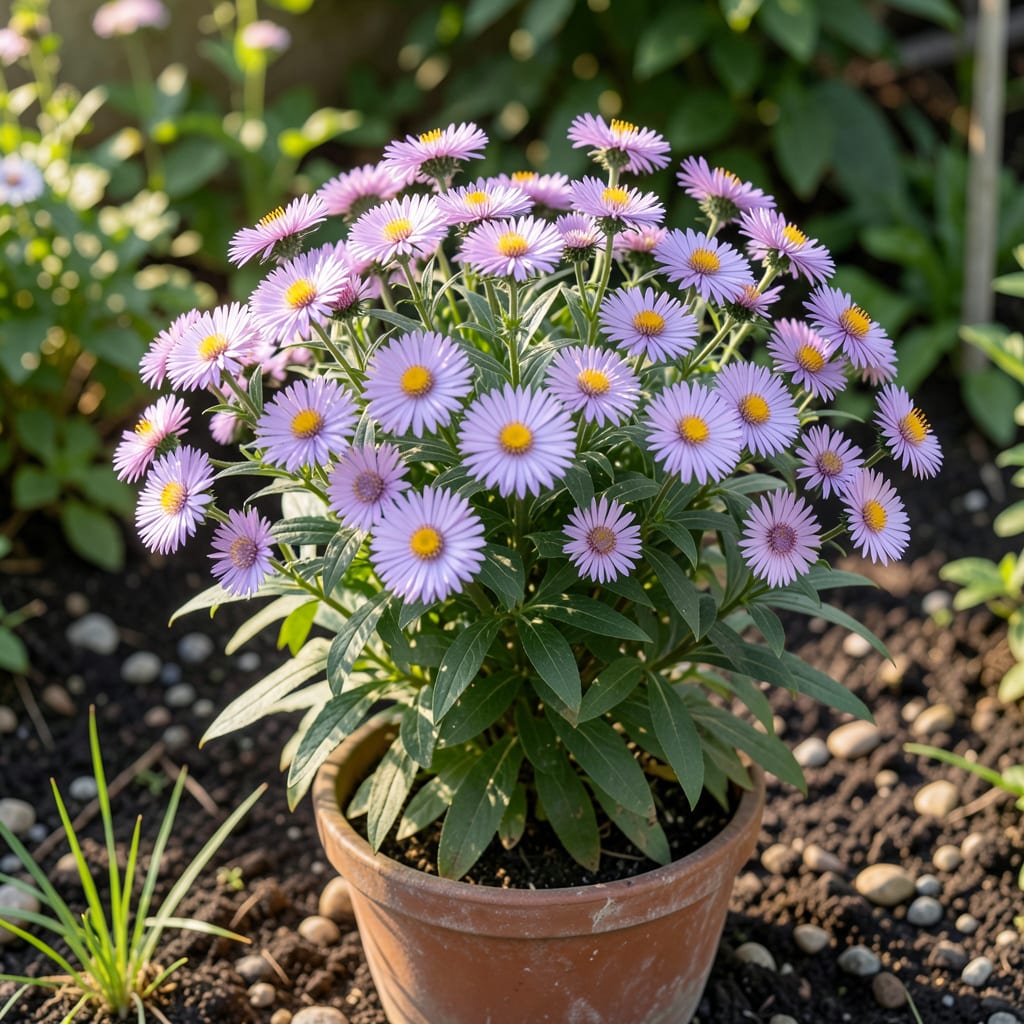
As I step into my garden in late summer, I’m greeted by the vibrant blooms of Asters 💐. These beautiful flowers bring color to my outdoor space, but I’ve often wondered: how long do they actually bloom?
Understanding the blooming duration of Asters in USDA Zone 6 helps me plan for a continuous flowering season. Let’s explore what affects their bloom time and how to make the most of these stunning flowers.
Asters are known for their vibrant blooms that bring color to late summer and fall gardens. The typical blooming period for Asters ranges from 4 to 6 weeks, depending on the variety and growing conditions 🌼.
Different Aster varieties have distinct blooming periods. Some bloom in early fall, while others continue into late fall. Understanding these variations helps in planning a garden with continuous blooms.
Several factors can influence the blooming duration of Asters. These include sunlight exposure, soil quality, and watering practices. Asters generally thrive in full sun and well-drained soil, which can extend their blooming period 🌻.
To maximize the blooming time, it’s essential to provide Asters with optimal growing conditions. This includes ensuring they receive adequate sunlight and maintaining consistent moisture levels in the soil.
Deadheading spent blooms is another example to extend the blooming period. By removing spent flowers, you encourage the plant to produce more blooms, effectively prolonging the flowering season 💐.
The quality of the soil also plays a significant role in the blooming duration of Asters. Well-drained soil with a balanced pH can support healthy growth and prolonged blooming.
Asters are generally low-maintenance plants, but they benefit from regular care. This includes watering during dry spells and fertilizing during the growing season to promote healthy growth and blooming 🌿.
In USDA Zone 6, Asters typically bloom from late summer to early fall. By understanding the specific needs and characteristics of different Aster varieties, gardeners can better plan for a vibrant and continuous display of blooms.
Overall, Asters are a valuable addition to any garden, providing colorful blooms and attracting pollinators like bees and butterflies. Their relatively long blooming period makes them an excellent choice for gardeners looking to maintain a dynamic landscape 🌼.
By following the tips and understanding the factors that affect Aster bloom duration, gardeners can enjoy these beautiful flowers for an extended period, enhancing the beauty and biodiversity of their gardens.
To maximize the blooming period of Asters, it’s essential to provide them with optimal growing conditions. This includes ensuring they receive adequate sunlight and maintaining consistent moisture levels in the soil 🌻.
Deadheading spent blooms is a simple yet effective technique to extend the blooming period. By removing spent flowers, you encourage the plant to produce more blooms, effectively prolonging the flowering season 💐.
Maintain consistent moisture levels, especially during dry spells, to keep Asters healthy and blooming.
Feed Asters with a balanced fertilizer during the growing season to promote healthy growth and blooming 🌿.
Pair Asters with other late-season bloomers to create a vibrant and dynamic garden display 🌼.
In addition to these tips, maintaining well-drained soil with a balanced pH is crucial for healthy Aster growth and prolonged blooming.
Asters are generally low-maintenance plants, but they benefit from regular care. This includes watering during dry spells and fertilizing during the growing season to promote healthy growth and blooming 🌿.
By implementing these strategies, gardeners can enjoy a longer and more vibrant Aster blooming season, enhancing the beauty and biodiversity of their gardens 🌼.
Understanding the specific needs and characteristics of different Aster varieties is key to maximizing their blooming potential. With proper care and attention, Asters can provide a stunning display of color in the garden 💐.
To maintain a vibrant garden display throughout the late summer and fall, I combine Asters with other late-season bloomers. This strategic planting creates a continuous flowering effect that keeps my garden looking fresh and colorful 🌼.
One effective strategy is succession planting, where I stagger the planting times of different Aster varieties and companion plants. This ensures a steady stream of blooms throughout the season, rather than having all plants bloom at once 🌻.
Some excellent companion plants for Asters include Chrysanthemums, Sedum, and Alstroemeria. These plants not only complement Asters in terms of bloom time but also add variety in texture and color 🌺.
By carefully planning and combining Asters with other late-season bloomers, I can enjoy a dynamic and colorful garden display that extends well into the fall season 🌼.
Regular maintenance, such as deadheading and proper watering, also plays a crucial role in maintaining continuous blooms. By following these tips, gardeners can create a stunning and vibrant garden display that showcases the beauty of Asters and their companion plants 💐.
Overall, creating a continuous blooming effect with Asters and companion plants requires some planning and strategic planting. However, the result is a beautiful and dynamic garden display that enhances the overall aesthetic of the outdoor space 🌻.
Asters typically bloom for 4 to 6 weeks, depending on the variety and growing conditions. Different varieties have distinct blooming periods, ranging from late summer to early fall. Proper care can help maximize their blooming time .
To extend the blooming period, ensure your Asters receive adequate sunlight and maintain consistent moisture levels in the soil. Deadheading spent blooms is also effective, as it encourages the plant to produce more flowers .
Excellent companion plants for Asters include Chrysanthemums, Sedum, and Alstroemeria. These plants complement Asters in terms of bloom time and add variety in texture and color, creating a vibrant garden display .
Water your Asters weekly during dry spells, providing about 1 inch of water per week. Consistent moisture levels promote healthy growth and blooming. Adjust watering frequency based on weather conditions .
