
Beautiful Plants For Your Interior
Beautiful Plants For Your Interior
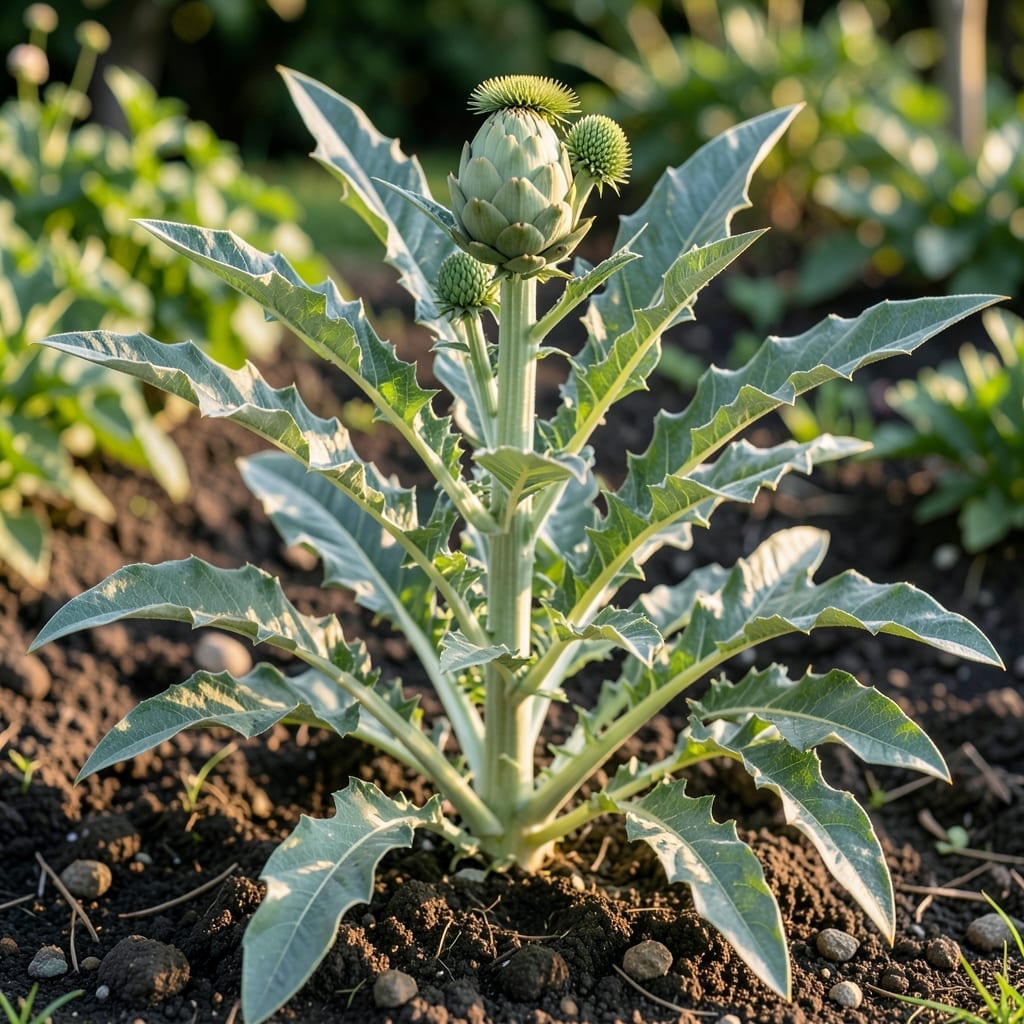
Growing Artichoke 🌰 in your garden can be incredibly rewarding, but their long growing season often catches new gardeners by surprise. Understanding the timeline from planting to harvest is key to successfully cultivating these delicious, thistle-like vegetables.
From the moment you plant those first seeds, you’re looking at a journey that requires patience and care. The process isn’t quick, but the payoff is well worth the wait.
I’ll walk you through what to expect, how to track progress, and practical tips to optimize conditions for the best results. Let’s get started.


Patience is key when growing artichokes, as they follow a long growth cycle compared to many other vegetables. From the moment you plant seeds, you’re committing to a multi-stage journey that spans several months.
Understanding each phase helps set realistic expectations. The process involves germination, vegetative growth, bud formation, and finally maturity. Each stage has unique requirements to ensure healthy development.
The germination stage is the first hurdle, requiring consistent moisture and warm soil to sprout. Without these, seeds may fail to emerge or take significantly longer.
Once sprouted, the vegetative growth phase focuses on building strong leafy stems. This period demands nutrient-rich soil and full sun exposure to support rapid development.
As plants mature, bud formation begins, typically 85-100 days after transplanting. This is when you’ll see the first signs of the edible artichokes you’ve been waiting for.
The final stretch to full maturity can take the longest. Depending on your climate and artichoke variety, the total time from seed to harvest ranges from 180 to 240 days. 🌱
In cooler climates, starting seeds indoors 8-10 weeks before the last frost gives you a head start. This technique helps compensate for shorter growing seasons.
Remember, these timelines are general estimates. Your specific conditions, like soil quality and watering consistency, will influence the exact duration. Regular monitoring is essential.
I always recommend keeping a garden journal to track progress. Note when you plant, when sprouts appear, and when buds form. This helps refine your approach for future seasons.
Several key variables influence how quickly your artichokes will mature. The most significant is your climate zone, as artichokes thrive in mild, coastal regions with cool summers.
Soil temperature plays a crucial role during germination. Seeds need 70-80°F soil to sprout properly, while established plants prefer 60-75°F air temperatures for optimal growth.
🌱 Key Growth Factors
I’ve found that sunlight exposure dramatically impacts growth speed. Plants receiving less than 6 hours of direct sun often grow slowly and produce smaller buds.
Your watering schedule also matters. Artichokes need consistent moisture, but soggy soil can lead to root rot. I recommend deep watering once or twice weekly, depending on rain.
The artichoke variety you choose affects timing too. Imperial Star is known for being faster-maturing (about 180 days), while Green Globe may take up to 240 days.
Don’t overlook soil quality. These plants are heavy feeders, so amending your soil with compost before planting gives them the best chance to grow quickly and strongly. 🌿