
Beautiful Plants For Your Interior
Beautiful Plants For Your Interior
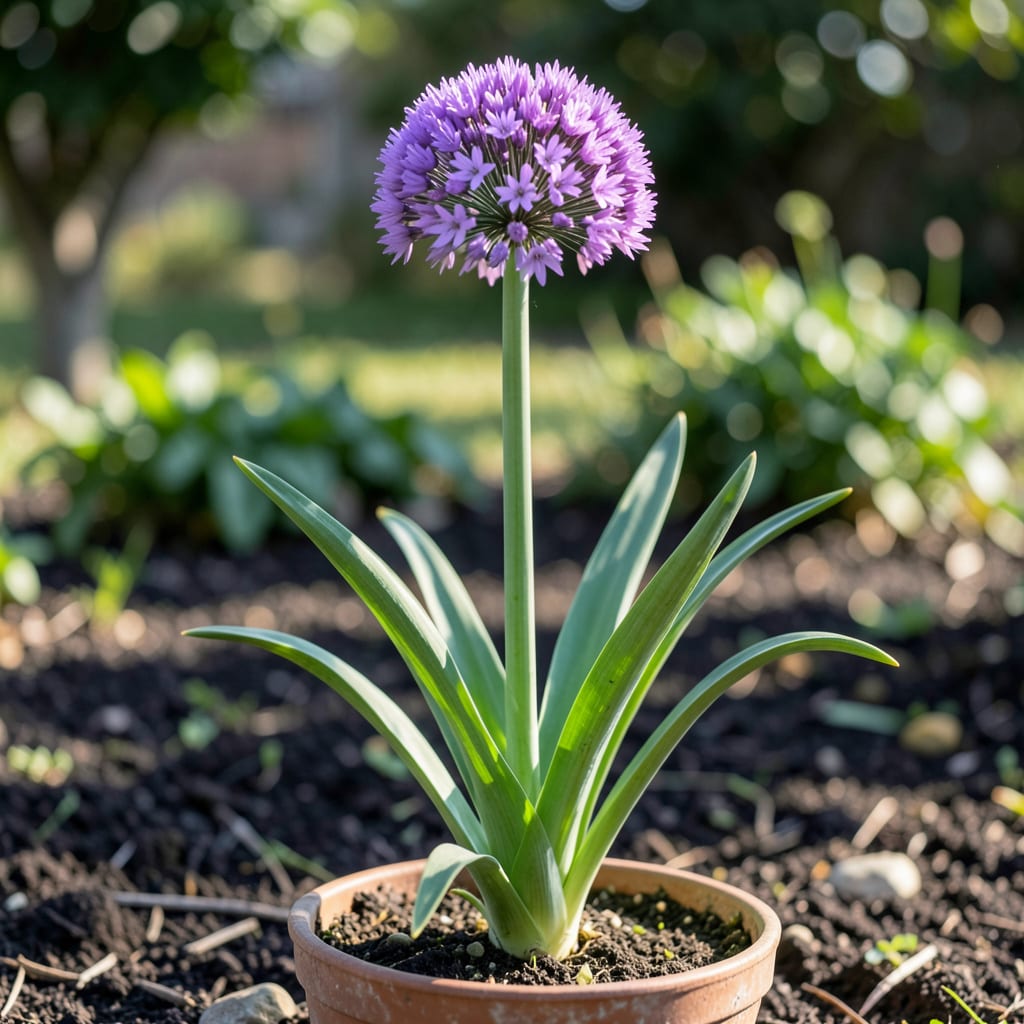
As spring arrives, Allium 💐 bulbs burst into bloom, adding dramatic height and texture to gardens. But how long can you expect these beautiful flowers to last? Understanding their blooming period is key to planning a continuous floral display.
In USDA Zone 6, Alliums typically bloom for several weeks in late spring. The exact duration depends on factors like weather conditions and specific varieties. Let’s explore what affects their flowering period and how to make the most of it.
Alliums are known for their dramatic height and unique texture in gardens, and understanding their blooming period is crucial for planning a continuous floral display. The blooming duration of Alliums typically ranges from 2 to 6 weeks, depending on various factors such as weather conditions and specific varieties.
The exact duration of Allium blooms can vary significantly based on factors like climate, soil quality, and sunlight exposure. In general, Alliums tend to bloom in late spring, with some varieties flowering earlier than others. For instance, Allium ursinum blooms in early spring, while Allium giganteum flowers in late spring 🌼.
Different Allium varieties have distinct blooming periods. For example, Allium moly blooms for a shorter duration compared to Allium cristophii. Understanding these differences is key to creating a staggered bloom effect that keeps your garden interesting throughout the growing season 🌿.
Alliums are generally low maintenance and can thrive with minimal care. However, factors such as soil drainage, sunlight exposure, and watering practices can significantly impact their blooming duration. Proper care can help extend the blooming period and ensure a healthy display of flowers.
In addition to their beauty, Alliums serve a practical purpose in the garden. They are known to repel pests and attract pollinators, making them a valuable addition to any garden. Their tall, statuesque blooms can also provide a striking contrast to other plants, adding visual interest to your garden 🌻.
To maximize the blooming period, gardeners can employ strategies such as deadheading and companion planting. Deadheading involves removing spent flowers to encourage the plant to focus energy on re-growing and potentially re-blooming. Companion planting with other spring-flowering bulbs can also create a continuous display of color and texture in the garden.
Alliums are versatile plants that can be used in various garden settings, from formal borders to naturalized woodland gardens. Their ability to naturalize and multiply over time makes them an excellent choice for gardeners looking to create a low-maintenance, long-term garden design.
The blooming period of Alliums is just one aspect of their appeal. Their unique flower shapes, ranging from spherical to star-shaped, add to their ornamental value. Whether used as a focal point or as part of a mixed border, Alliums can enhance the visual appeal of any garden 💐.
In conclusion, Alliums offer a dramatic and versatile addition to any garden, with their blooming period being a significant factor in their appeal. By understanding the factors that influence their bloom duration and employing strategies to extend their flowering, gardeners can enjoy these beautiful plants to their fullest potential.
Overall, Alliums are a valuable addition to any garden, providing beauty, texture, and interest during their blooming period. With proper care and planning, gardeners can maximize the benefits of these remarkable plants and enjoy their blooms for years to come 🌼.
The blooming duration of Alliums is influenced by several key factors, including climate conditions, soil quality, and sunlight exposure. Understanding these factors is crucial for gardeners who want to maximize the blooming period of their Alliums 🌼.
Climate plays a significant role in determining how long Alliums will bloom. Temperature fluctuations, rainfall patterns, and sunlight exposure can all impact the duration of the bloom. For instance, Alliums tend to bloom longer in cooler temperatures with adequate moisture 🌿.
Alliums are known to be low maintenance and can thrive with minimal care, making them an excellent choice for gardeners of all skill levels.
Soil quality is another critical factor that affects the blooming duration of Alliums. These plants prefer well-draining soil that is rich in organic matter. Soil that is too wet or too dry can negatively impact the bloom duration 🌿.
In addition to soil quality, sunlight exposure also plays a crucial role in determining the blooming period of Alliums. Most Allium varieties require full sun to partial shade to bloom optimally. Gardeners should ensure that their Alliums receive sufficient sunlight to promote healthy blooming 🌻.
The watering practices employed by gardeners can also impact the blooming duration of Alliums. Consistent moisture during the growing season is essential, but overwatering can be detrimental. Gardeners should aim to provide about 1 inch of water per week, either through rainfall or irrigation 💧.
Fertilization is another factor that can influence the blooming period of Alliums. Feeding the plants with a balanced fertilizer in the spring can promote healthy growth and blooming. However, overfertilization should be avoided as it can lead to weak growth and reduced blooming 🌼.
By understanding and managing these factors, gardeners can create optimal conditions for their Alliums to bloom. This includes providing the right climate, soil, sunlight, and care practices to maximize the blooming period and enjoy these beautiful flowers to their fullest potential 🌻.
In summary, the blooming duration of Alliums is influenced by a combination of factors including climate, soil quality, sunlight exposure, and care practices. By optimizing these conditions, gardeners can enjoy a longer and more vibrant bloom from their Alliums 💐.
To maximize the blooming period of Alliums in your garden, several strategies can be employed. One effective method is deadheading, which involves removing spent flowers to encourage the plant to focus energy on re-growing and potentially re-blooming 🌼.
Companion planting is another technique that can help extend the bloom display. By planting Alliums alongside other spring-flowering bulbs, gardeners can create a continuous display of color and texture in the garden. This approach not only enhances visual appeal but also promotes a healthier ecosystem 🌻.
Select a mix of early, mid, and late-blooming Allium varieties to extend the overall blooming season in your garden.
Plant Allium bulbs in succession, starting in early spring and continuing through fall, to achieve a prolonged blooming period.
Ensure Alliums receive proper care, including adequate sunlight, well-draining soil, and consistent moisture, to promote healthy blooming.
By implementing these strategies, gardeners can enjoy a longer and more vibrant bloom from their Alliums. This not only enhances the visual appeal of the garden but also creates a more dynamic and interesting landscape 🌼.
In addition to these methods, gardeners can also consider planting Alliums in groups to create a dramatic display of color and texture. This approach can help to maximize the blooming period and create a stunning visual effect in the garden 🌻.
Overall, extending the bloom of Alliums requires a combination of proper care, strategic planting, and thoughtful garden design. By employing these techniques, gardeners can enjoy the beauty of Alliums for a longer period and create a more vibrant and dynamic garden 💐.
Alliums usually bloom for 2 to 6 weeks, depending on factors like weather conditions and specific varieties. Some varieties, like Allium moly, bloom for a shorter duration, while others, like Allium cristophii, bloom for longer. Proper care can help extend the blooming period .
The blooming duration of Alliums is influenced by climate conditions, soil quality, and sunlight exposure. Weather conditions, soil drainage, and sunlight can all impact how long Alliums bloom. Providing optimal conditions can help maximize their blooming period .
Yes, you can extend the blooming period by using techniques like deadheading and companion planting. Deadheading involves removing spent flowers to encourage re-blooming, while companion planting with other spring-flowering bulbs creates a continuous display of color and texture .
In USDA Zone 6, the best time to plant Alliums is in September – November or March – May. Planting at the right time ensures optimal growth and blooming.
