
Beautiful Plants For Your Interior
Beautiful Plants For Your Interior
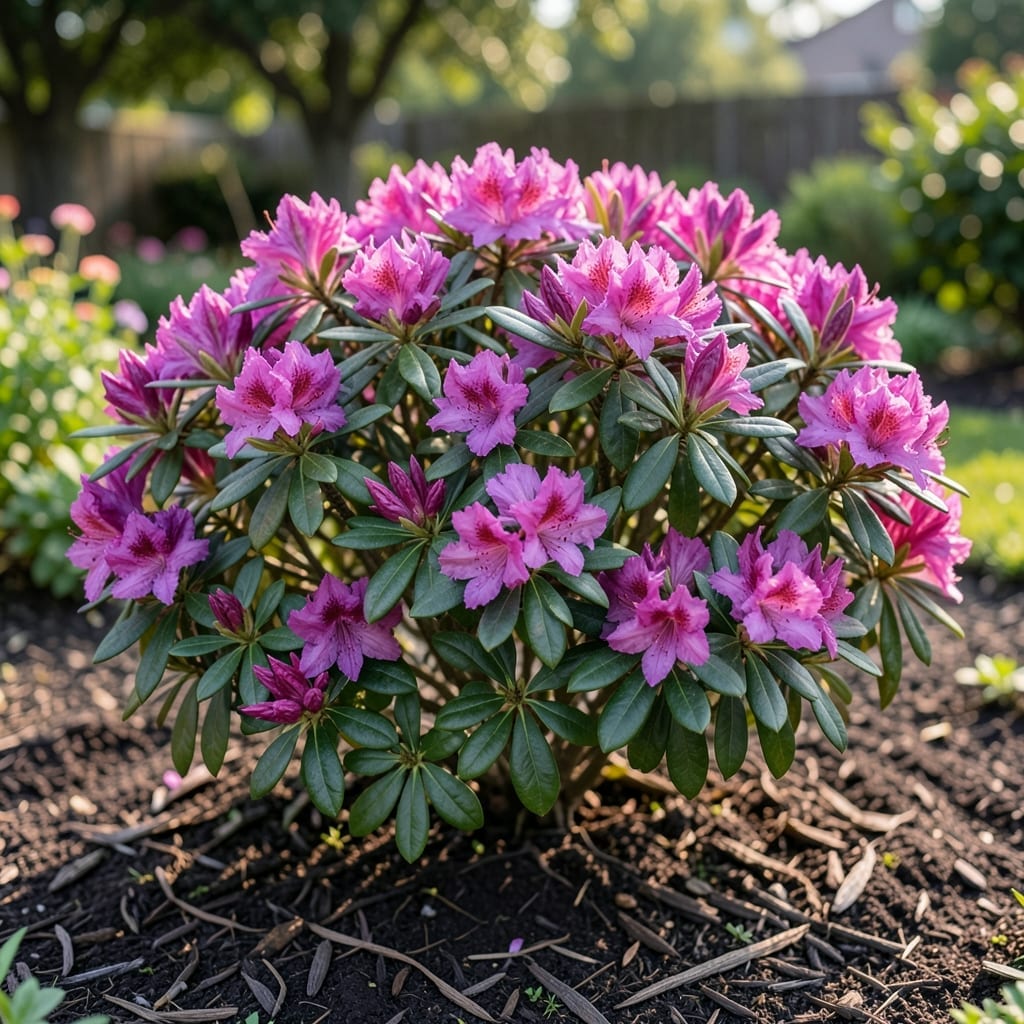
Azaleas bring vibrant color to gardens, but their mature size can surprise first-time growers. Understanding how large these shrubs get helps you plan the perfect landscape.
I’ve seen 🌸 Azalea varieties range from compact 2-foot shrubs to towering 20-foot giants. The difference often comes down to the type you choose and how you care for it.
Let me walk you through the typical heights and what influences their growth. You’ll learn how to pick the right size for your space and keep it looking its best.
Azaleas come in a wide range of sizes to fit any garden space. From tiny dwarf varieties to towering shrubs, there’s an azalea for every landscape need.
I’ve found that most gardeners don’t realize how much size variation exists between types until they start planning their garden layout.
For small spaces, I recommend dwarf azaleas like ‘Hino Crimson’ that stay under 3 feet tall. These work perfectly in containers or along walkways.
Semi-dwarf varieties such as ‘Girard’s Hot Shot’ reach 4-6 feet and make excellent foundation plants for home landscapes.
The most common standard azaleas like ‘Formosa’ typically grow 6-15 feet tall. These create beautiful privacy screens when planted in groups.
For truly dramatic effect, some native azaleas can reach 15-20 feet in ideal conditions. The flame azalea is a stunning example that thrives in woodland settings.
Evergreen azaleas usually stay 4-8 feet tall, while deciduous types often grow taller and wider. This difference is important when planning year-round interest in your garden.
Remember that mature size depends on your specific growing conditions. Even dwarf varieties can exceed their expected height in ideal soil and climate.
I always suggest checking the plant tag for the specific variety’s expected size. This simple step prevents overcrowding as your azaleas mature.
Several environmental factors can significantly influence how large your azaleas grow. I’ve noticed that even the same variety can vary in size based on its growing conditions.
Climate plays a major role, with warmer regions often producing larger azaleas than cooler areas. So does soil quality—azaleas thrive in acidic, well-draining soil.
Sunlight is crucial—I’ve seen azaleas in full sun grow taller but with fewer flowers. Meanwhile, those in deep shade stay smaller but may get leggy.
Pruning is your best tool for size control. I always recommend annual pruning right after the spring blooms fade to maintain shape without sacrificing next year’s flowers.
Soil conditions can make or break growth. Azaleas in poor soil often stay small, while those in rich, acidic soil can exceed expected sizes. A soil test is a simple way to check.
Finally, remember that variety selection is the easiest way to control size. If you have limited space, start with a dwarf variety and you’ll save yourself years of maintenance.
I always tell gardeners to plan for maturity. It’s tempting to plant azaleas close together, but giving them room to grow prevents future headaches.