
Beautiful Plants For Your Interior
Beautiful Plants For Your Interior
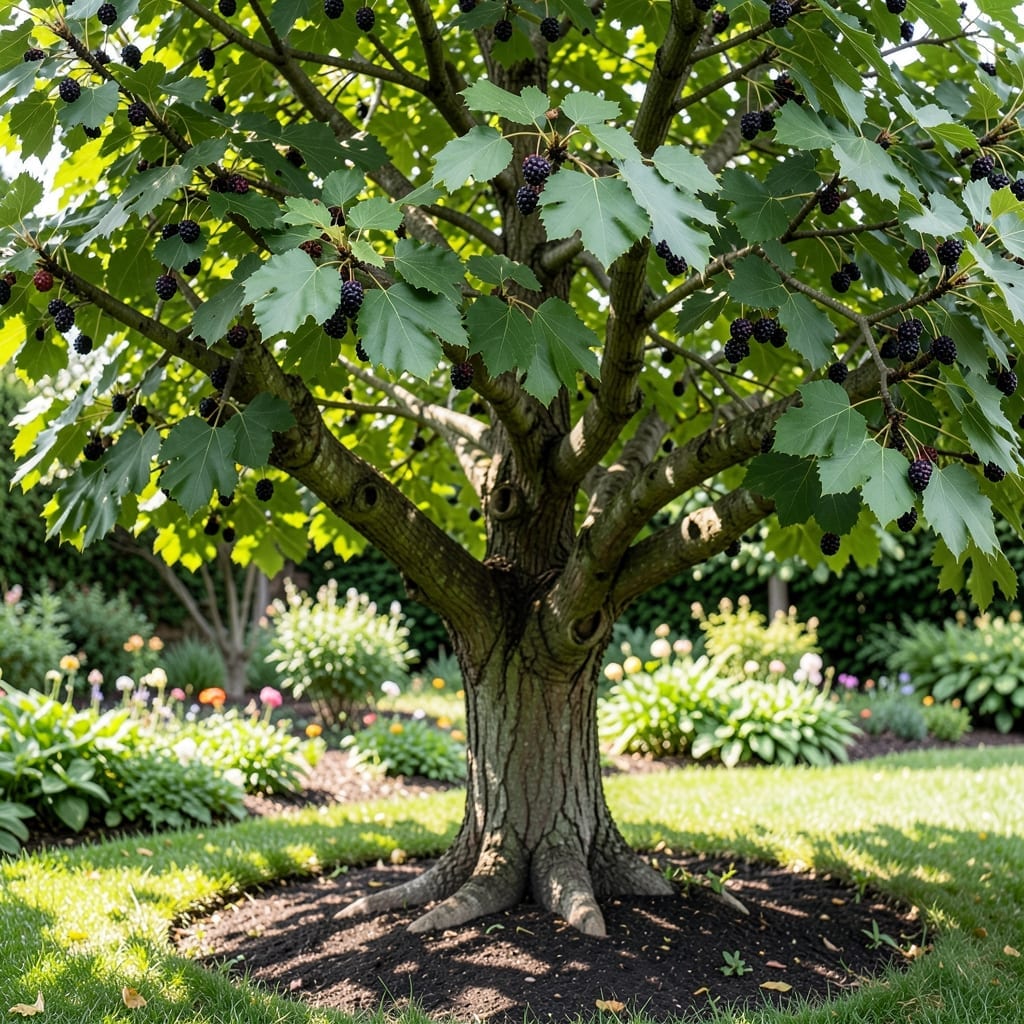
Mulberry trees are a popular choice for gardeners due to their delicious fruit and ornamental value, but their growth pace often surprises new planters. I remember planting my first 🌳 Mulberry Tree and being amazed at how quickly it began to transform my landscape.
Understanding their growth rate helps you plan effectively and enjoy those sweet berries sooner. Whether you’re planting in zones 4-8 or just curious about what to expect, knowing the timeline makes all the difference.
Let me walk you through what influences their speed, from soil conditions to care techniques. You’ll be prepared to nurture your tree from sapling to maturity with confidence.


I’ve found that mulberry trees grow surprisingly fast, especially in their first few years. In ideal conditions, they can add 3-6 feet of height in just the first year. This rapid growth makes them a rewarding choice for gardeners eager to see results.
However, the pace varies by species. White mulberry tends to grow faster than red or black mulberry, which may take a bit longer to reach maturity. Soil quality, sunlight, and watering habits also play huge roles in their development.
| Stage | Height Range | Key Notes |
|---|---|---|
| Year 1 | 3-6 ft | Rapid initial growth with proper care |
| Year 2 | 8-12 ft | Establishes strong root system |
| Year 3 | 15-20 ft | Begins fruiting in some varieties |
| Mature | 30-80 ft | Full canopy, regular fruit production |
In my experience, the first 3 years are the most dynamic for growth. During this period, your mulberry tree focuses on establishing its root system and trunk strength. It’s the foundation for the towering, fruit-bearing tree it will become.
Soil conditions are critical. I always recommend well-draining, loamy soil with a pH of 6.0-7.0 for the best results. Mulberries tolerate a range of soils, but they thrive in nutrient-rich environments. Adding compost at planting time gives them a head start.
Sunlight exposure directly impacts growth speed. These trees love full sun—at least 6-8 hours daily. In shadier spots, expect slower growth and potentially fewer fruits. I’ve seen trees in full sun outpace their shaded counterparts by nearly double.
Watering deeply but infrequently encourages deep root growth. Aim for 1-2 inches of water per week, especially during dry spells. Overwatering can lead to root rot, so let the top inch of soil dry out between waterings.
The climate in zones 4-8 is ideal for mulberries. In warmer zones, they may grow faster but require more frequent watering. Colder climates might slow initial growth, but established trees are quite hardy.
Pruning in late winter helps shape the tree and removes dead or crossing branches. This not only keeps your tree healthy but also directs energy toward new growth and fruit production. I prune my mulberries every year to maintain their structure.
Fertilizing with a balanced 10-10-10 formula in early spring supports robust growth. I apply fertilizer just as the buds begin to swell, which gives the tree a nutrient boost right when it needs it most.
By year 5-10, most mulberry trees reach their mature height and begin producing abundant fruit. The wait is worth it—nothing beats picking fresh, sweet mulberries right from your backyard 🌳
If you want your mulberry tree to reach its full potential faster, I’ve discovered several proven techniques. The right conditions can boost growth by 20-30% in the early years. It’s all about giving your tree the best start possible.
Start with the planting location. I always choose a spot with full sun exposure and well-draining soil. These two factors alone can make a noticeable difference in how quickly your tree establishes itself.
Watering consistently is key, especially during the first growing season. I water my young mulberries deeply once a week, ensuring the moisture reaches the root zone. This encourages deep root development, which supports faster above-ground growth.
Mulching is another game-changer. I apply a 3-4 inch layer of organic mulch around the base, keeping it a few inches away from the trunk. This helps retain soil moisture and suppresses weeds that compete for nutrients.
Don’t overlook pruning—it’s not just for shape. Removing dead or diseased branches allows the tree to direct more energy toward new growth. I prune my mulberries in late winter, just before the growing season begins.
Finally, regular feeding makes a difference. In addition to the initial compost, I apply a balanced fertilizer in early spring and again in early summer. This provides the nutrients needed for rapid, healthy growth 🌳