
Beautiful Plants For Your Interior
Beautiful Plants For Your Interior
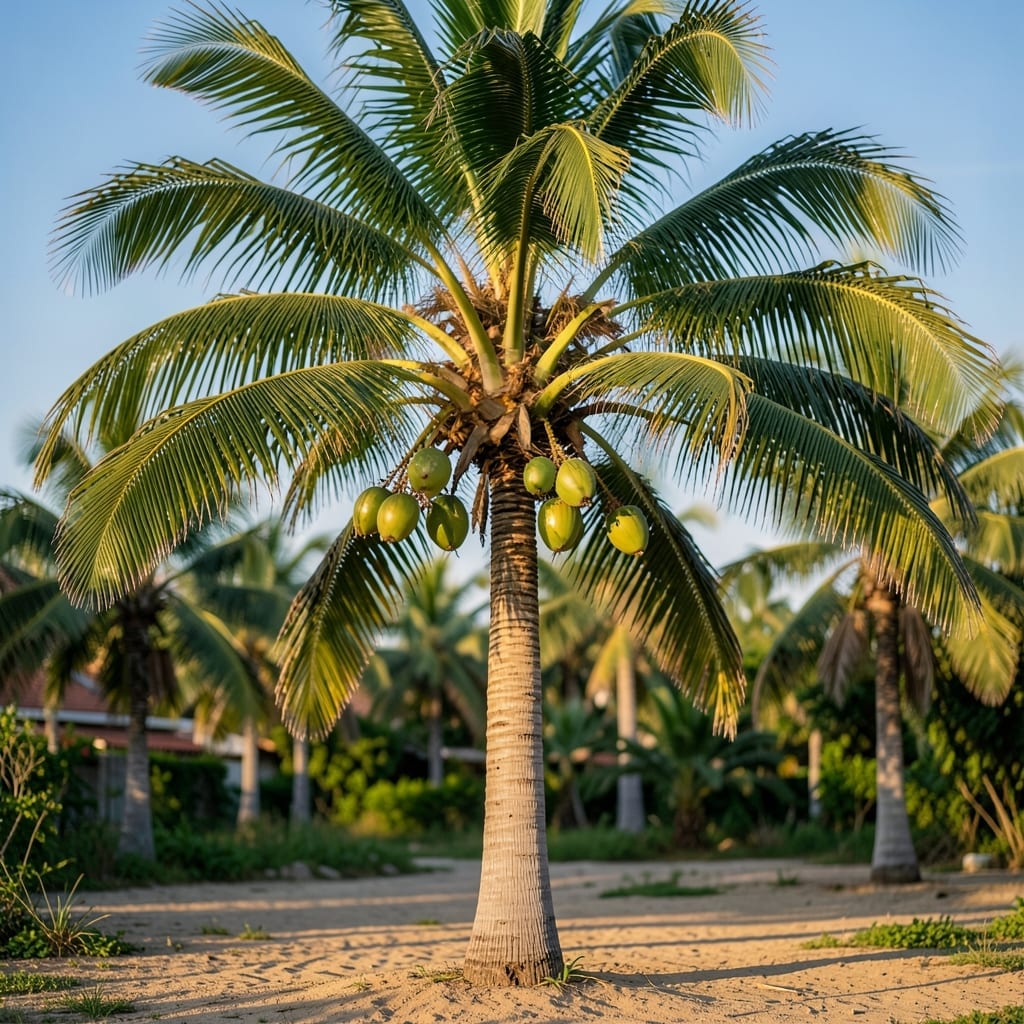
Watching a 🥥 Coconut Palm grow from a tiny seedling to a towering tropical giant is a fascinating journey. But how long does it take to reach its full glory?
Understanding the growth rate helps gardeners set realistic expectations. These majestic trees don’t rush their development, but the wait is worth it.
Discover the annual growth rates and key factors that influence how quickly your Coconut Palm will thrive in your outdoor space.


Coconut palms are the quintessential tropical trees, but their growth isn’t instantaneous. In ideal tropical conditions, these palms typically grow 12 to 24 inches per year. This steady pace means patience is key for gardeners.
From seedling to maturity, coconut palms go through distinct growth stages. The first 5 to 7 years are crucial as the tree establishes its root system and trunk. During this period, you’ll see moderate height increases annually.
| Stage | Duration | Height Gain |
|---|---|---|
| Seedling | 0-2 years | 2-3 ft |
| Juvenile | 3-5 years | 4-6 ft/year |
| Early Maturity | 6-10 years | 1-2 ft/year |
| Full Maturity | 10+ years | 50-100 ft |
In tropical climates like Hawaii or Florida, coconut palms thrive with consistent warmth and humidity. Here, they can reach 60 feet in about 15 to 20 years. The growth rate slows as the tree matures.
Subtropical regions, such as parts of California or Texas, may see slightly slower growth. Cooler temperatures and less humidity can reduce the annual height increase to 6-12 inches. Gardeners in these areas should provide extra care.
First fruit production is a major milestone. Coconut palms typically start bearing fruit at 5 to 7 years of age. However, the first coconuts may be small. Full production, with 50 to 100 coconuts per year, usually begins at 10 to 15 years.
Soil quality dramatically impacts growth rates. Coconut palms prefer sandy, well-draining soil rich in organic matter. Poor soil can stunt growth, reducing the annual increase to less than 6 inches. I always recommend amending the soil before planting.
Watering plays a critical role, especially in the first few years. Young palms need consistent moisture but dislike waterlogged roots. A deep watering 2 to 3 times per week in dry climates supports optimal growth.
Sunlight is another non-negotiable factor. Coconut palms require full sun, meaning at least 6 to 8 hours of direct sunlight daily. Shade can significantly slow growth, so choose a sunny spot in your garden.
Fertilizing with a palm-specific fertilizer every 2 to 3 months can boost growth. Look for a formula high in potassium and magnesium, which are essential for these tropical giants. I’ve seen noticeable improvements in my own palms with regular feeding.
With the right conditions and care, your coconut palm can grow into a stunning centerpiece for your garden. 🌴
Coconut palm growth isn’t just about time—it’s about optimal conditions. The right mix of sunlight, water, and nutrients can significantly accelerate your palm’s development. I’ve seen dramatic differences with proper care.
Let me break down the most critical factors that boost or hinder your coconut palm’s growth rate. These elements can make the difference between a thriving tree and a struggling one.
The most common growth inhibitor is poor drainage. Waterlogged roots suffocate the palm, reducing growth to less than 6 inches annually. Always plant in elevated areas or use mounds.
Sunlight deprivation is another major issue. Even partial shade can cut growth rates in half. If your palm isn’t getting full sun, consider relocating it or pruning nearby trees.
Nutrient deficiencies often go unnoticed until growth slows. Yellowing fronds may indicate magnesium or potassium shortages. I recommend soil testing every 2-3 years to catch issues early.
Temperature fluctuations can stress young palms. In subtropical areas, cold snaps below 40°F may damage new growth. Protect young palms with frost cloth during unexpected cold.
With these factors optimized, your coconut palm can reach its full growth potential. The difference between a neglected palm and a well-cared-for one is often dramatic. 🌴