
Beautiful Plants For Your Interior
Beautiful Plants For Your Interior
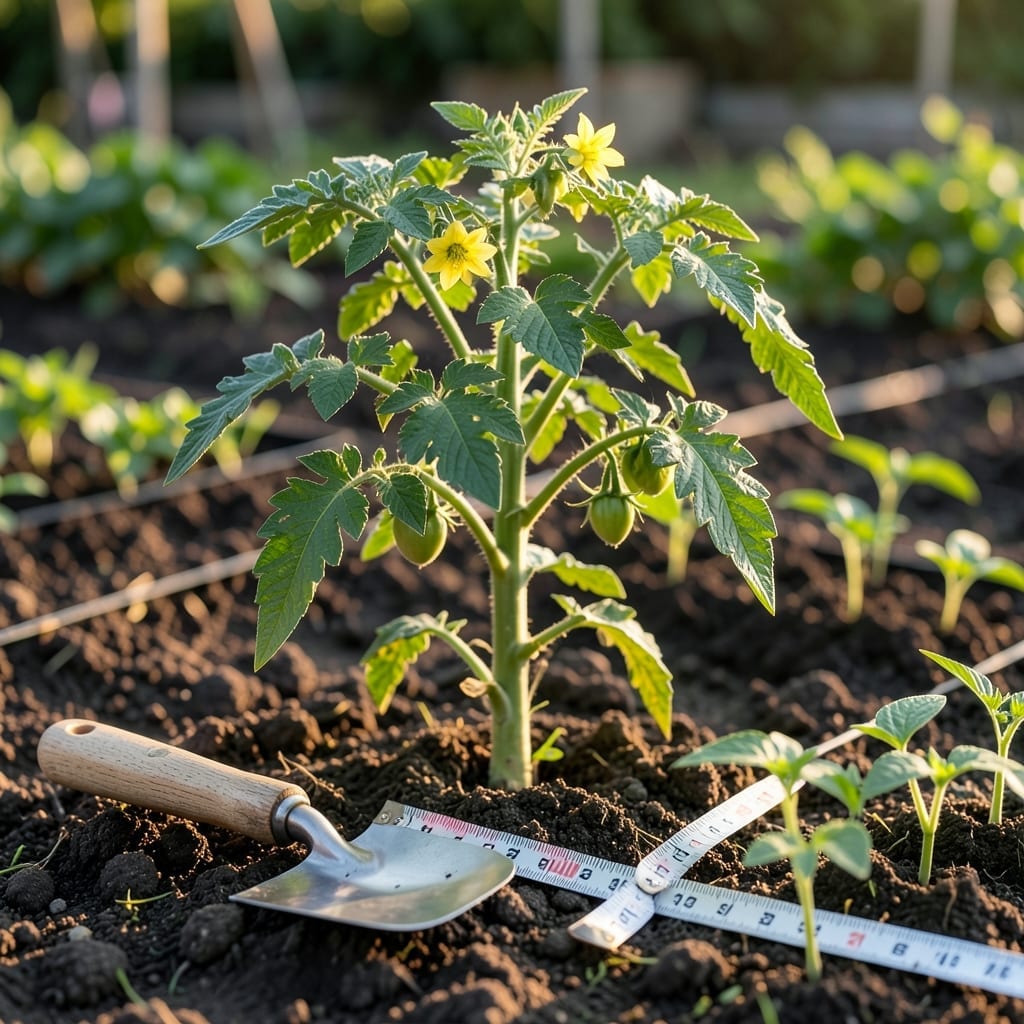
Proper plant spacing is the key to a thriving garden, preventing overcrowding and competition for nutrients. Get it right, and your 🌱 General plants will grow stronger with better yields.
I’ve seen firsthand how correct spacing transforms a struggling garden into a lush, productive space. Whether you’re planting vegetables or flowers, this simple step makes all the difference.
Discover how to give your plants the room they need to flourish. Let me show you exactly how to make it happen in your garden.
Proper spacing is essential for healthy plants. I always check seed packets for specific guidance, as each variety has unique needs for optimal growth and air circulation.
In my experience, overcrowding leads to weak stems, disease, and poor harvests. Giving plants room to breathe ensures they can access sunlight, water, and nutrients efficiently.
| Plant | In-Row Spacing | Row Spacing |
|---|---|---|
| Tomatoes | 18-24 inches | 36-48 inches |
| Carrots | 2-4 inches | 12-18 inches |
| Lettuce | 6-12 inches | 18-24 inches |
| Marigolds | 8-10 inches | 12-18 inches |
| Peppers | 12-18 inches | 24-36 inches |
For leafy greens like spinach or kale, I recommend 6-12 inches between plants. They need space for their broad leaves to spread without shading each other too much.
Root crops like beets and radishes require 2-4 inches apart. Their growth happens underground, so overcrowding stunts their development and leads to small, misshapen produce.
When planting tall varieties like sunflowers or corn, I space them 12-24 inches apart. These plants grow straight and sturdy with enough room, and they won’t compete for sunlight.
Bushy plants such as basil or zucchini need 18-24 inches between them. This spacing allows for good airflow, reducing the risk of fungal diseases.
For flower beds, I use a staggered pattern to maximize space. Annuals like petunias can be planted 8-12 inches apart, while perennials may need more room as they mature.
I always mark my rows with strings or sticks before planting. This helps me maintain consistent spacing and keeps my garden looking neat and organized.
Remember, these are general guidelines. Always check the specific needs of your plants, as some varieties may have unique requirements for the best results 🌱
I’ve learned that proper plant spacing is the foundation of a healthy garden. Without it, even the most carefully tended plants can struggle to thrive and produce.
When plants are too close together, they compete for sunlight, water, and nutrients. This stress weakens them, making them more susceptible to pests and diseases.
In my garden, I noticed tomato plants spaced 18-24 inches apart produced larger, healthier fruits than those crowded together. The extra space allowed for better air circulation and sunlight penetration.
Proper spacing also makes watering more efficient. When plants aren’t competing, each one gets the moisture it needs without water pooling in dense foliage, which can lead to rot.
I always remind fellow gardeners that disease prevention starts with spacing. Many fungal issues thrive in damp, crowded conditions. Keeping plants at the right distance helps prevent these problems before they start.
Finally, well-spaced plants are easier to care for. I can spot pests early, prune effectively, and harvest without damaging neighboring plants. It makes gardening more enjoyable and productive 🌿