
Beautiful Plants For Your Interior
Beautiful Plants For Your Interior
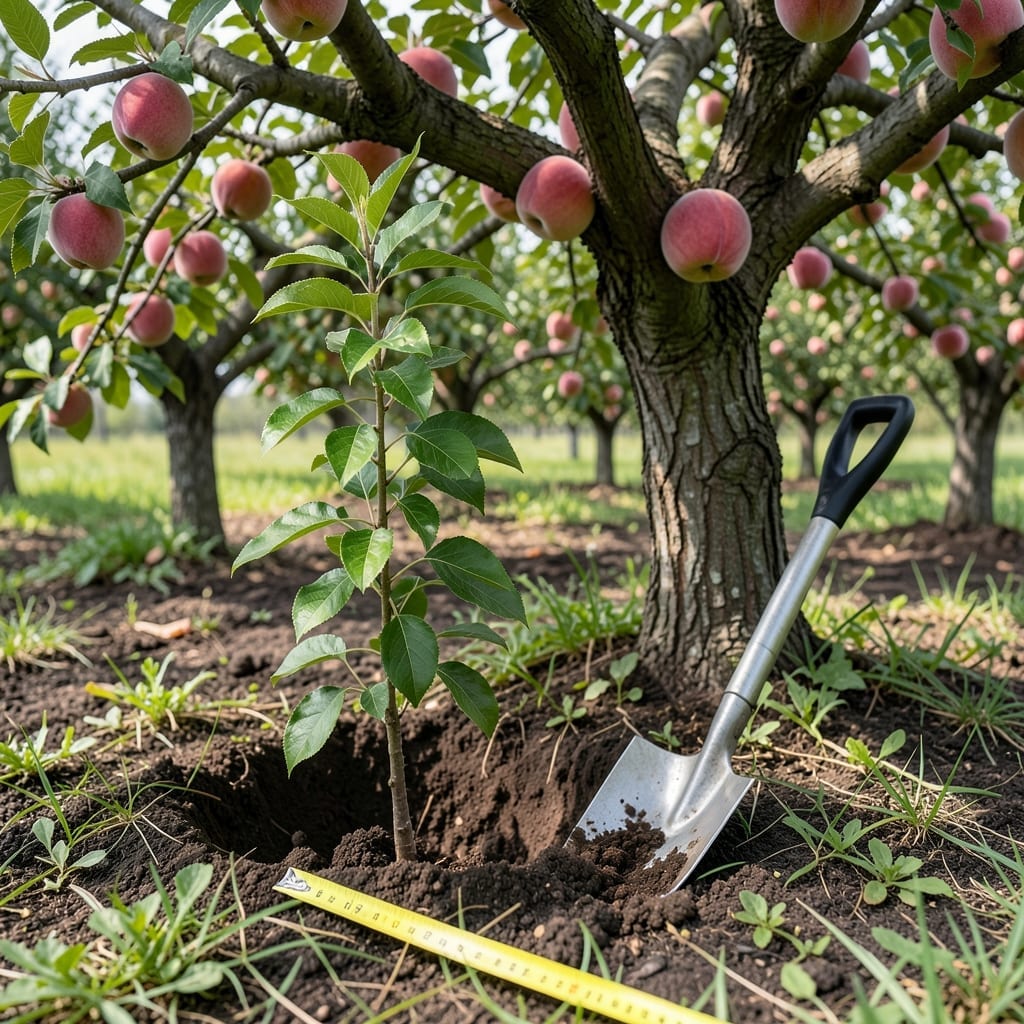
Proper spacing is the key to thriving 🍑 Peach Trees—plant them too close, and you’ll face disease, poor yields, and stunted growth.
Getting it right means healthy trees bursting with fruit for years to come. Whether you’re planting in zones 5-8 or just starting out, this guide will help you avoid common mistakes.
I’ll walk you through the ideal spacing based on variety and growth habits. Let’s discover how to set your orchard up for success from the very beginning.
Getting the spacing right for peach trees is crucial for their health and productivity. I always recommend considering the mature size of the tree first, as this dictates how much room it needs to thrive without competing for resources.
The standard spacing for most peach trees ranges between 15 to 20 feet apart. This allows ample space for the root system to spread and the canopy to grow without overlapping neighboring trees.
| Tree Type | Mature Height | Recommended Spacing |
|---|---|---|
| Dwarf | 6-10 ft | 8-10 ft apart |
| Semi-Dwarf | 10-15 ft | 12-15 ft apart |
| Standard | 15-25 ft | 15-20 ft apart |
For dwarf varieties, which stay compact, I’ve found that 8 to 10 feet between trees works well. This spacing still allows for good air circulation, which is vital for preventing fungal diseases like brown rot.
Semi-dwarf peach trees, which typically reach 10 to 15 feet tall, need a bit more room. I plant these about 12 to 15 feet apart to ensure they have enough space to grow without shading each other out.
If you’re planting standard peach trees, which can grow 15 to 25 feet tall, I’d recommend spacing them 15 to 20 feet apart. This gives the roots plenty of room to expand and helps maintain healthy soil conditions.
Remember, soil quality and drainage also play a role in spacing. In poorly draining soil, trees may need slightly more space to prevent root competition and waterlogging.
Climate considerations are equally important. In warmer zones like 7-8, trees may grow larger, so leaning toward the upper end of the spacing range is wise. In cooler zones like 5-6, you might get away with slightly tighter spacing.
Proper spacing also ensures easier harvesting and pruning access. I’ve learned the hard way that crowded trees make maintenance a nightmare, so plan ahead for long-term ease.
Finally, always mark your planting spots before digging. This helps visualize the layout and confirms that your spacing will work for your garden’s dimensions and sunlight patterns ☀️
Adapting peach tree spacing to your garden layout ensures healthy growth, even in limited spaces. I’ve found that small gardens often require creative solutions beyond standard recommendations.
For row planting in orchards, I maintain 20-foot spacing between rows to allow equipment access. This extra room also improves airflow, reducing disease risk.
In container gardens, dwarf peach trees thrive in 20-gallon pots spaced 6-8 feet apart. I’ve successfully grown them on my patio with proper drainage and sunlight.
For urban gardens, consider espalier training against a fence or wall. This method lets me grow standard trees in just 8-10 feet of horizontal space while maintaining vertical growth.
When planting in hedgerows, I space trees 15-18 feet apart to create a dense, productive barrier. This works well for wind protection while still allowing sunlight penetration.
Always remember that tighter spacing demands more vigilant pruning and disease monitoring. I inspect my closely planted trees weekly for signs of stress or infection.
Finally, test your layout with string lines before planting. This helps visualize how your mature trees will fill the space and ensures you’re happy with the arrangement before committing 🌳