
Beautiful Plants For Your Interior
Beautiful Plants For Your Interior
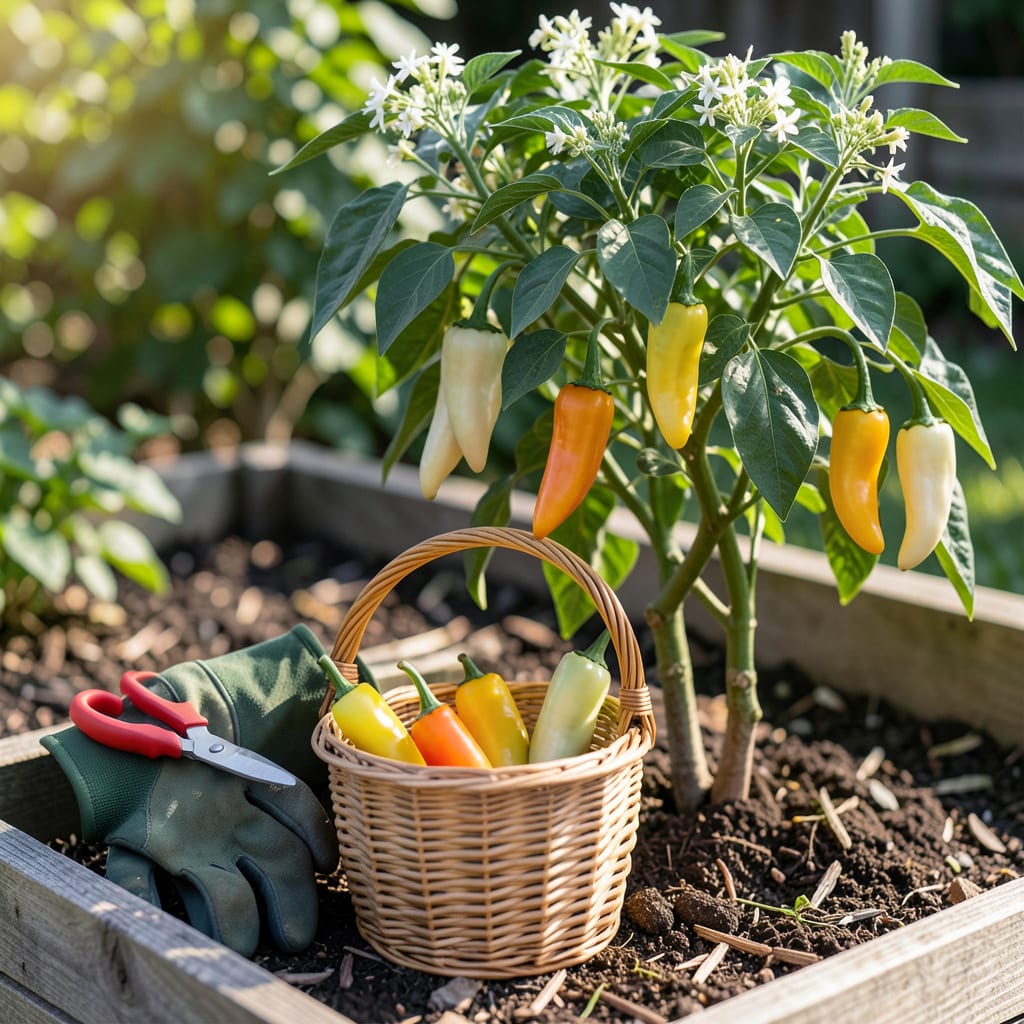
There’s nothing quite like the satisfaction of plucking a perfectly ripe banana pepper from your garden—only to realize too late it wasn’t ready. That split-second guesswork can mean the difference between a crisp, flavorful harvest and a disappointing, underdeveloped one.
I’ve been there, staring at my 🌶️ Banana Pepper plants wondering if that yellow tint means “pick me now” or “wait another week.” The good news? A few simple visual and tactile clues take all the guesswork out of it. Let me show you exactly what to look for—so you’ll never second-guess your harvest again.


Timing your banana pepper harvest is all about reading the plant’s cues. After 60–80 days from transplanting, your peppers will start sending signals—if you know where to look. The most reliable indicators aren’t just about color; they’re a combination of size, texture, and stem behavior.
I’ve found that first-time growers often overlook the glossy sheen that develops on ripe peppers or the way the stem slightly loosens its grip. These subtle changes mean your peppers are at peak flavor and crunch. Let’s break down the five foolproof signs to watch for. 🌱
The stem test is my personal favorite because it’s the most objective. If you’re still unsure, compare a suspect pepper to others on the plant. The ripe ones will hang slightly lower due to their weight and moisture content. This is nature’s way of saying, “I’m done growing!”
For hotter varieties like Hot Banana peppers, you might notice a reddish blush at the tip first. This is normal! The heat develops alongside the color, so if you prefer milder flavor, harvest when it’s still mostly yellow. Waiting for full red means more spice. 🌶️
Pro tip: Use clean pruners or scissors to avoid damaging the plant. Cut the stem ½ inch above the pepper to leave enough tissue for regrowth. Never yank peppers off—this can tear branches and reduce future yields. I learned this the hard way after losing a third of my crop one season!
If you’re growing multiple varieties, keep a harvest journal. Note the days to maturity for each type (e.g., Sweet Banana: 70 days; Hungarian Wax: 75 days). Over time, you’ll spot patterns in how your local climate and soil affect ripening speeds. ☀️
Remember, peppers left too long on the plant can become pithy or bitter. If you see the skin wrinkling or the color dulling, it’s past prime. On the flip side, picking too early means missing out on that sweet, tangy flavor banana peppers are known for.
Still debating? Try the taste test: slice a tiny piece from the tip. If it’s crisp with a balanced sweetness (or heat, for spicy types), the rest are ready. If it tastes grassy or bland, give them more time. Your taste buds won’t lie! 🌿
Once you’ve mastered these signs, you’ll harvest with confidence every time. Up next, let’s dive into how ripeness varies by variety—because a yellow Sweet Banana isn’t the same as a red Hungarian Wax, and your recipes will thank you for knowing the difference.
Not all banana peppers ripen the same way—variety matters. While Sweet Banana peppers turn a vibrant yellow, Hungarian Wax peppers often blush orange or red. Even the same plant can produce peppers at different stages, depending on sunlight and temperature.
I’ve learned that color isn’t the only clue—flavor and heat levels change dramatically as peppers mature. A yellow Sweet Banana is mild and crisp, while a red Hot Banana packs serious spice. Below is a quick guide to help you match color to flavor and harvest timing. 🌶️
| Variety | Unripe Color | Ripe Color | Days to Maturity | Flavor Profile |
|---|---|---|---|---|
| Sweet Banana | Pale green | Bright yellow | 60–70 days | Mild, tangy, slightly sweet |
| Hungarian Wax | Light green | Yellow to orange-red | 65–75 days | Medium heat, slightly smoky |
| Hot Banana | Green with tint | Red or deep orange | 70–80 days | Spicy, fruity, bold heat |
If you’re growing Sweet Banana peppers for pickling, harvest them when they’re fully yellow—this is when their sugar content is highest. For Hungarian Wax, the heat intensifies as they turn orange, so pick earlier if you prefer milder flavor.
Climate plays a role too. In hotter regions, peppers may ripen faster and develop deeper colors. Cooler areas might extend the timeline by 5–10 days. I once had a batch of Sweet Bananas stay green for weeks in a cool summer—patience paid off with a late but delicious harvest! ☀️
For Hot Banana varieties, watch for that red blush at the tip. This is your cue that capsaicin (the compound responsible for heat) is peaking. If you love heat, wait for full red. Prefer less spice? Harvest at the yellow-orange stage.
Pro tip: If you’re saving seeds, let peppers fully ripen to red on the plant. The seeds inside will be more viable for next season’s crop. Just don’t leave them too long—overripe peppers attract pests and can stress the plant. 🪴
Still unsure? Taste-test a small slice from different colored peppers on the same plant. You’ll quickly notice how flavor evolves from grassy (green) to sweet (yellow) to bold (red). Your palate is the best judge!
Timing your banana pepper harvest isn’t just about flavor—it directly impacts your plant’s productivity. Pick too early, and you’ll end up with bland, underdeveloped peppers that lack sweetness or heat. Wait too long, and you risk tough, bitter fruits that stress the plant.
I learned this the hard way when I harvested an entire batch of Sweet Bananas at the pale green stage. They were edible but tasted more like grass than peppers. Meanwhile, a neighbor left theirs on the vine until they turned orange—only to find the flesh had become spongy and seedy. 🌱
If you’ve already picked peppers too early, don’t despair. Try ripening them indoors by placing them in a paper bag with a ripe banana or apple. The ethylene gas will help them turn yellow over 3–5 days, though the flavor won’t match vine-ripened peppers.
For overripe peppers, salvage them by removing seeds and using the flesh in cooked dishes. Their concentrated sugars work well in salsas or fermented hot sauces. Just avoid composting them near your garden—they can harbor pests that’ll return next season. 🪴
To prevent future mistakes, track your harvest dates. Most banana peppers reach maturity in 60–80 days, but local conditions vary. Note when you see the first color change, then count forward 7–10 days for optimal ripeness. A simple garden journal eliminates guesswork!
Remember: Your plant’s energy goes into ripening peppers. Leaving overripe fruits on the vine signals the plant to stop producing new flowers. For continuous harvests, pick promptly when peppers show glossy skin and full color. Your plant will thank you with more peppers! ✂️
Banana peppers typically take 60–80 days from transplanting to reach full maturity. After flowering, expect ripe peppers in about 3–4 weeks, depending on weather conditions. Warmer climates speed up ripening, while cooler temperatures may add 5–10 extra days.
Yes, but they’ll lack full flavor and sweetness. Green peppers are edible but taste more grassy or bitter. If you need mild flavor for pickling, harvest at this stage. For best results, wait until they turn bright yellow or orange for optimal taste.
Use clean pruners or scissors to cut the stem ½ inch above the pepper. Never pull or twist peppers off, as this can break branches. Support the plant with one hand while cutting to prevent accidental damage.
This depends on the variety. Sweet Banana peppers stay yellow when ripe, while Hungarian Wax or Hot Banana varieties often turn orange or red. The red color indicates higher capsaicin levels, meaning more heat. Check your seed packet for variety-specific color cues.
Banana peppers won’t ripen further once picked, unlike tomatoes. However, you can speed up color change indoors by placing them in a paper bag with a ripe banana or apple. The ethylene gas helps, but flavor won’t match vine-ripened peppers. Store at room temperature for 2–3 days maximum.
