
Beautiful Plants For Your Interior
Beautiful Plants For Your Interior
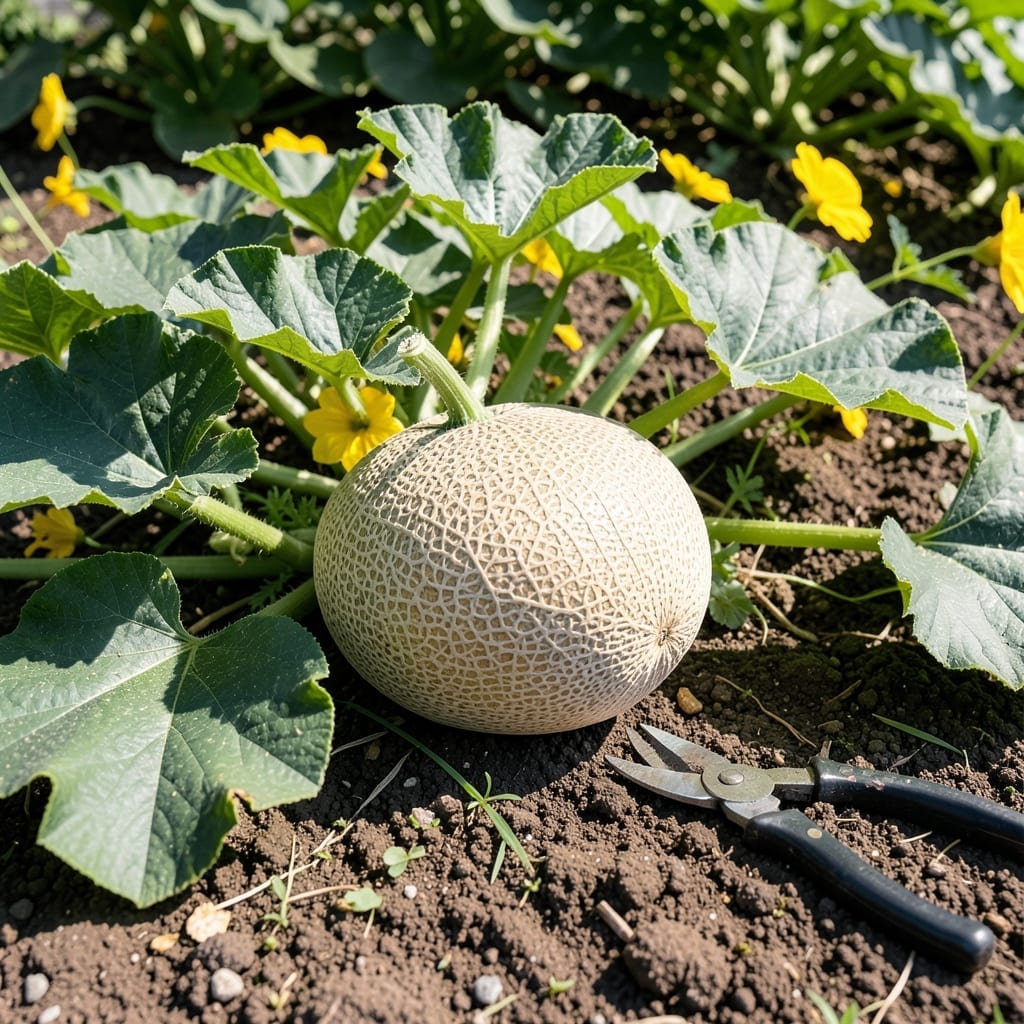
Picking a perfectly ripe 🍈 cantaloupe can feel like a guessing game. Choose too early and you’ll get a bland, underwhelming bite. Wait too long, and it turns to mush before you can enjoy it.
I’ve learned the hard way that timing is everything with these summer favorites. The difference between perfectly ripe and disappointing often comes down to knowing what to look for.
Let me share the 3 visual signs that take the guesswork out of harvesting your cantaloupe at its peak of sweetness and juiciness.


Knowing when to pick your cantaloupe ensures the best flavor and texture. Unlike some fruits, cantaloupes don’t continue ripening after harvest, so timing is critical.
I always check for these 3 visual signs before picking. They’re reliable indicators that your fruit has reached peak ripeness in the garden.
The stem detaches easily from the vine with gentle pressure when ripe.
The rind shifts from green to a beige or tan hue under the netting.
The netting becomes pronounced and raised, a clear sign of maturity.
The stem slip is the most foolproof sign. When the cantaloupe is ready, the stem will separate from the vine with minimal effort. This is nature’s way of telling you it’s time.
Next, look for the rind color change. A ripe cantaloupe transitions from a uniform green to a cream or tan color beneath its netting. This change is subtle but noticeable if you inspect closely.
The netting pattern becomes more defined as the fruit matures. The webbing on the rind should look rough and well-developed, not smooth or faint.
I’ve found that checking these signs in the early morning gives the most accurate results. The cool temperature and dew can make the visual cues easier to spot in your garden.
Remember, these signs work together. If the stem slips but the rind is still green, it might not be fully ripe. Always check multiple indicators before harvesting.
For the best flavor, harvest your cantaloupe when all three signs are present. This ensures you’re getting the sweetest, most juicy fruit possible from your garden.
🌱If you’re unsure, try the gentle pressure test as a backup. A ripe cantaloupe will yield slightly at the stem end when pressed, similar to a ripe avocado.
🌿Once you’ve checked the visual signs of ripeness, there are a few more ways to confirm your cantaloupe is ready. These tests are quick, easy, and don’t require any special tools.
I rely on these methods when the visual cues leave me unsure. They’re especially helpful for beginners still learning to spot the subtle differences in their garden.
🌱 Pro Tip:
Use the smell test first—a ripe cantaloupe has a sweet, musky aroma at the stem end. If it smells like nothing, it’s not ready yet!
The gentle pressure test is another great indicator. Press your thumb against the stem end of the fruit. If it gives slightly, like a ripe peach, it’s ready to pick.
I also use the tap test for confirmation. Tap the cantaloupe with your knuckles. A ripe one will produce a deep, hollow sound, while an unripe fruit sounds dull.
Avoid pressing too hard or damaging the rind. The goal is to check ripeness, not bruise your fruit. Gentle, deliberate pressure is all you need in the garden.
If the cantaloupe doesn’t pass these tests, give it a few more days. Cantaloupes ripen quickly in hot weather, so check daily once they’re close to ready.
These simple tests take the guesswork out of harvesting. With practice, you’ll develop a feel for when your cantaloupes are at their peak of sweetness and juiciness.
🌿