
Beautiful Plants For Your Interior
Beautiful Plants For Your Interior
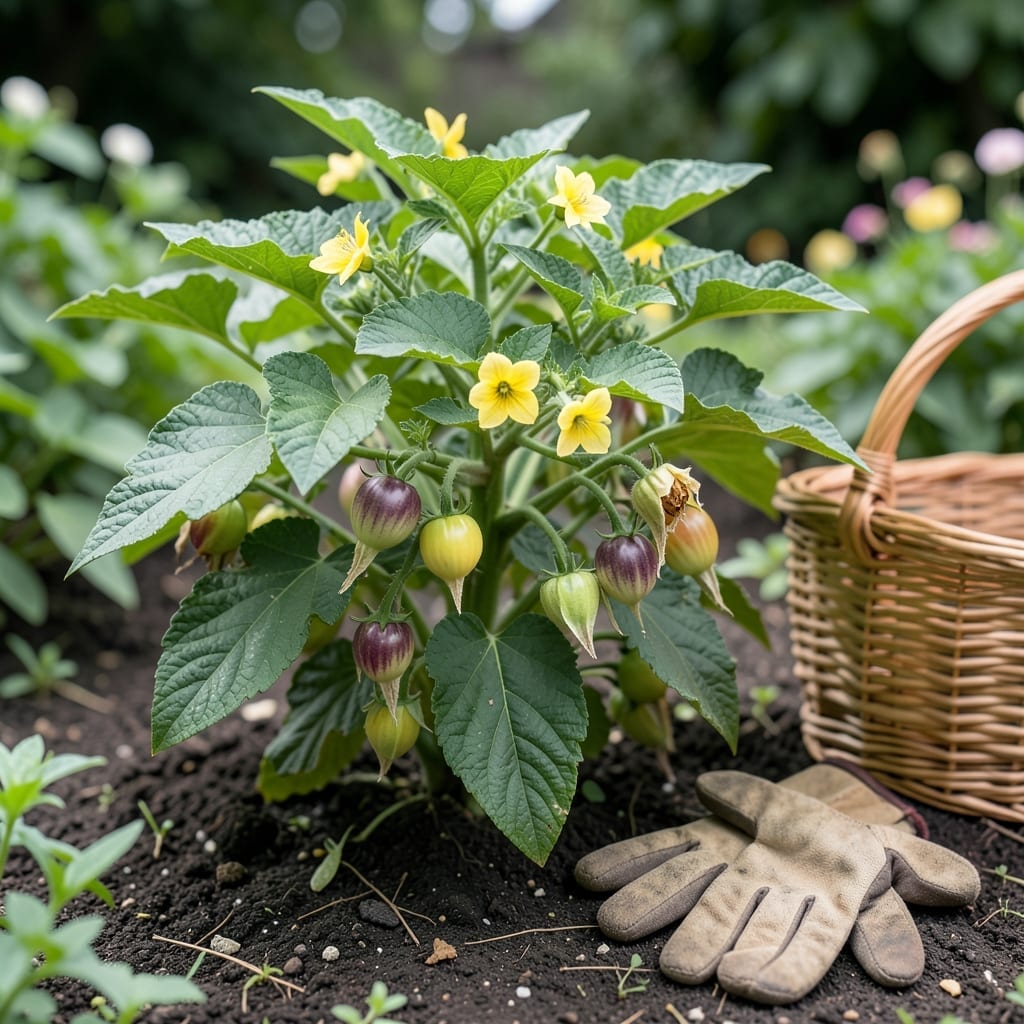
Harvesting Tomatillo at the perfect stage ensures the best flavor for your dishes. Unlike tomatoes, these husk-wrapped fruits have unique ripeness cues that many gardeners miss.
I’ve learned that timing is everything with Tomatillo. The husk’s transformation holds the secret, and knowing what to look for can make all the difference in your harvest.
Discover the subtle signs that reveal when your Tomatillo is ready to pick, so you can enjoy its tangy, fresh taste at its peak.


Knowing when to harvest a Tomatillo can be tricky for new gardeners. The most reliable indicator is the husk color change, which transforms from bright green to a dry, papery brown as the fruit matures inside.
I always check for husk splitting too. When the outer shell begins to loosen and open, it’s a clear sign the Tomatillo is nearing peak ripeness. This happens as the fruit expands to fill its protective covering.
| Sign | Description |
|---|---|
| Husk Color | Turns from green to brown |
| Husk Texture | Becomes dry and papery |
| Fruit Fill | Fills the entire husk |
| Fruit Firmness | Feels plump and firm |
| Color Change | Shifts to yellow, purple, or red |
The fruit’s firmness is another key clue. A ripe Tomatillo should feel slightly soft under pressure, like a firm tomato. If it’s rock-hard, it’s not ready yet.
Size matters too. Most varieties reach 1.5 to 2 inches in diameter when mature. I’ve found that underripe fruits are noticeably smaller and don’t fill their husks completely.
Don’t overlook the stem color near the husk. When it turns from green to brown, that’s nature’s signal that the Tomatillo is ready to pick. This small detail often gets missed.
Some gardeners make the mistake of waiting for the husk to fall off completely. By then, the fruit may be overripe. The sweet spot is when the husk is just starting to split.
For green varieties, the fruit color stays green but becomes duller and more opaque. With purple or red types, the color deepens significantly as they ripen.
I recommend checking your plants every 2-3 days once they start maturing. Tomatillos can go from perfectly ripe to overripe quickly, especially in warm weather.
Remember that early morning is the best time to harvest. The fruits are firmer and fresher after a cool night, making them easier to pick without damage. 🌱
Understanding the growth stages of your Tomatillo helps you anticipate the perfect harvest window. From flowering to maturity, the timeline varies but generally follows a predictable pattern.
Most Tomatillo varieties take 70 to 100 days to mature from planting. I’ve found that early varieties can be ready in as little as 60 days, while larger types may need up to 120 days.
In my garden, I start seeing first flowers about 40 days after transplanting. The fruit set happens quickly after pollination, with tiny Tomatillos appearing within a week of flowering.
The husk development is fascinating to watch. It starts as a tight green shell and gradually expands as the fruit grows inside. By day 70, you’ll typically see the first signs of husk splitting.
Climate plays a big role in your timeline. In warmer zones, the process may accelerate, while cooler areas can extend the growing period by 10-15 days. I always keep a garden journal to track these variations.
Remember that consistent watering and full sun exposure help maintain steady growth. Irregular care can lead to uneven ripening and extend your harvest window unnecessarily. 🌿