
Beautiful Plants For Your Interior
Beautiful Plants For Your Interior
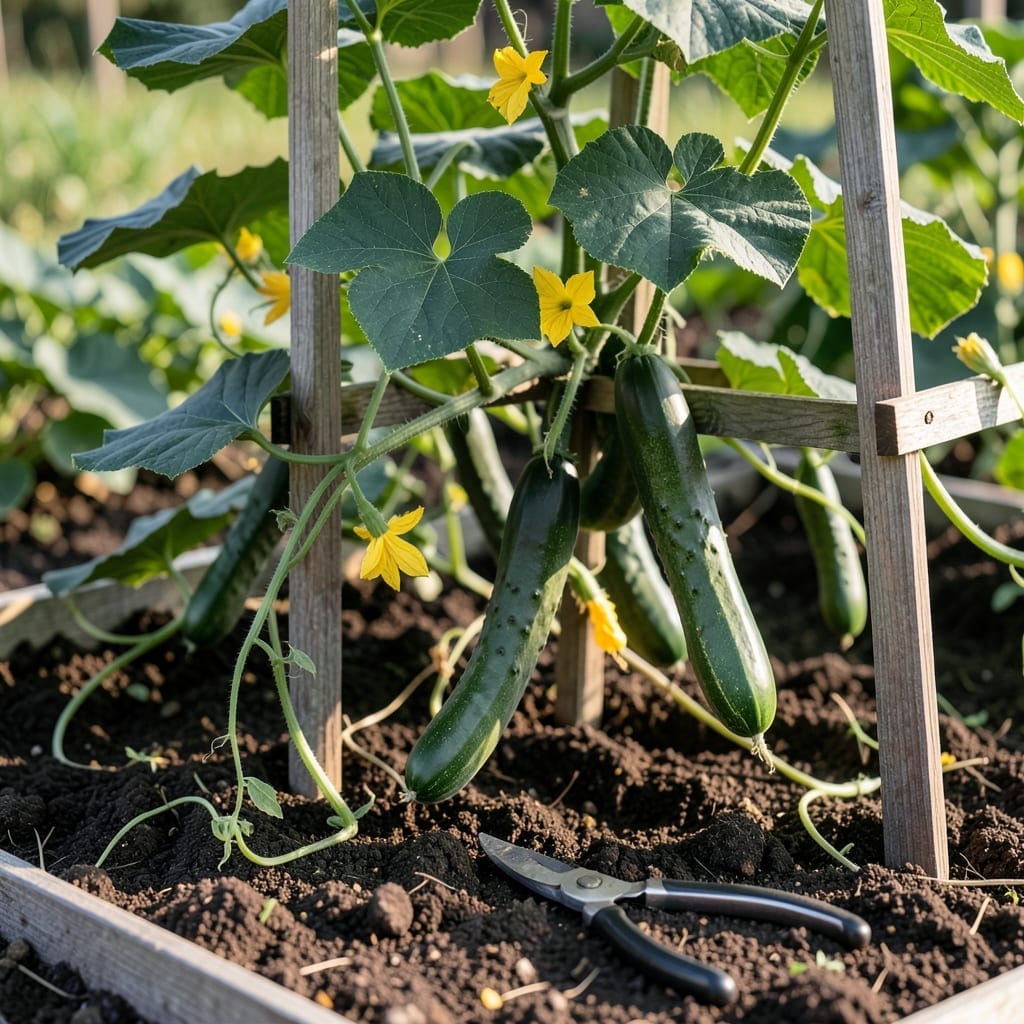
Picking cucumbers at the perfect stage of ripeness ensures the best flavor and texture. Miss the window, and you might end up with bitter or overly soft produce.
The 🥒 Cucumber is ready when it’s firm, bright green, and uniformly colored. Size matters too—most varieties are ideal at 6-8 inches long.
I’ll show you the key visual signs and simple tests to confirm ripeness before harvesting. Let’s make sure your harvest is a success.
Knowing when to harvest cucumbers ensures peak flavor and crisp texture. The most obvious sign is bright green color that looks fresh and vibrant.
Size is another critical indicator—most slicing cucumbers are ready at 6-8 inches, while pickling types are best at 3-5 inches. Always check your seed packet for variety-specific guidance.
| Variety | Ripeness Sign |
|---|---|
| Slicing | 6-8 inches, bright green |
| Pickling | 3-5 inches, firm texture |
| Heirloom | Uniform color, smooth skin |
| Lemon | Pale yellow, round shape |
The texture should feel firm and smooth when gently squeezed. If the skin is dull or rough, the cucumber may be overripe or stressed from inconsistent watering.
Check the stem end too. A ripe cucumber will have a dry stem that separates easily from the vine. If it’s still green and attached firmly, give it a day or two more.
For heirloom varieties, look for unique characteristics like stripes or bumps. These often indicate maturity. Lemon cucumbers turn from green to a pale yellow when ready.
The skin should have a slight waxy sheen, which is a natural protective layer. If it looks wrinkled or shriveled, the cucumber is likely past its prime.
I always recommend harvesting in the morning when cucumbers are most hydrated. This ensures the best crunch and flavor. Use clean pruning shears or twist gently to avoid damaging the vine.
If you notice yellowing at the blossom end, it’s a sign of overripeness. These cucumbers may taste bitter and have large seeds. Pick them promptly to encourage more production.
Remember, frequent harvesting stimulates the plant to produce more. I check my vines every 2-3 days during peak season to catch cucumbers at their optimal ripeness. 🌱
Even experienced gardeners sometimes misjudge cucumber ripeness. The most common mistake is harvesting too early, resulting in small, underdeveloped fruit with poor flavor and texture.
Another frequent error is waiting too long. Overripe cucumbers become bitter and seedy, with a tough skin that’s unpleasant to eat. I’ve learned to check my plants daily during peak season.
⚠️ Warning: Never pull cucumbers from the vine—this can damage the plant. Always use clean pruning shears or twist gently.
Ignoring plant signals is another pitfall. If cucumbers are growing slowly or have dull coloring, they may need more water or nutrients, not more time on the vine.
Mishandling post-pick can ruin perfect cucumbers. Avoid stacking them or leaving them in direct sunlight after harvesting, as this causes softening and spoilage.
I’ve found that inconsistent watering leads to uneven ripening. Cucumbers need 1-2 inches of water per week, especially during fruit development.
Finally, don’t assume all cucumbers ripen at the same rate. Even on one plant, some may be ready while others need a few more days. Always check each one individually. 🌱