
Beautiful Plants For Your Interior
Beautiful Plants For Your Interior
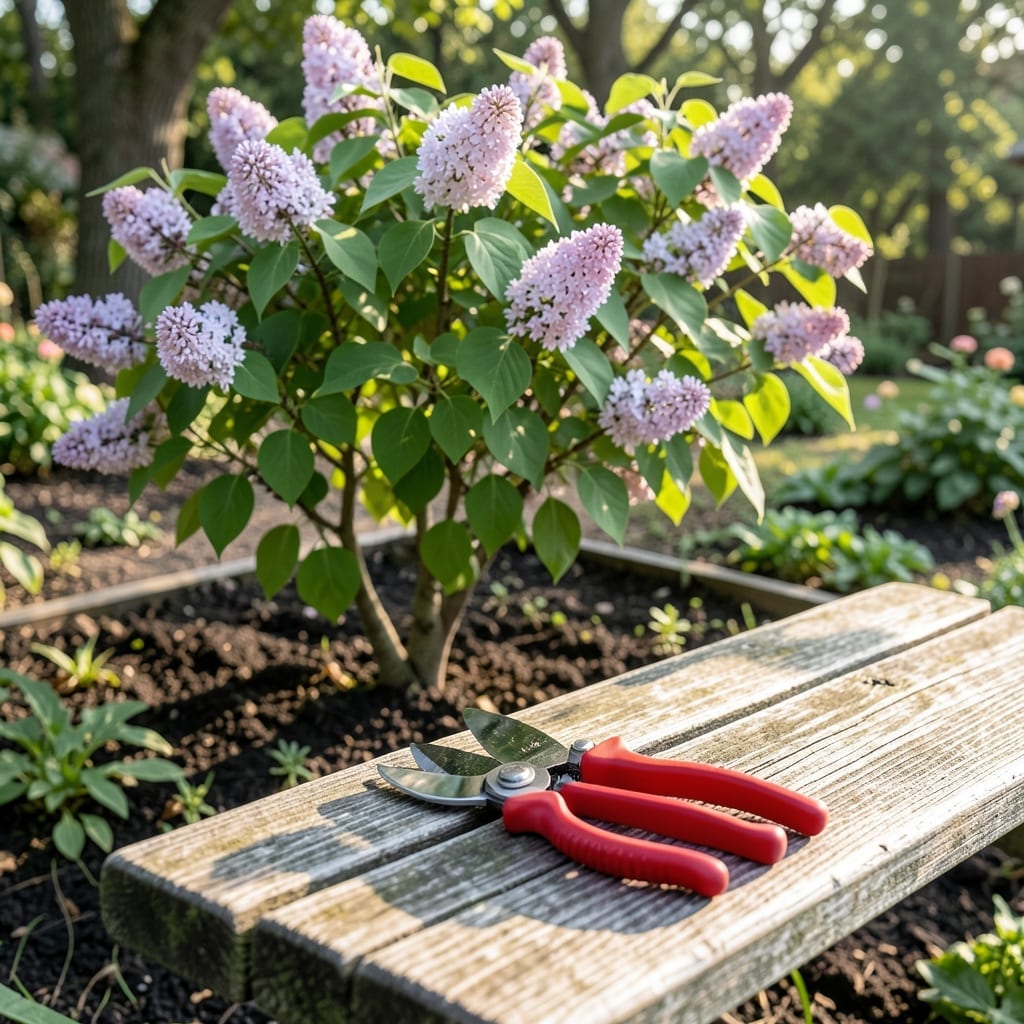
Nothing beats the intoxicating fragrance of a blooming 🌸 Lilac bush in spring—but when your shrub stays stubbornly bare, frustration grows faster than the branches.
The good news? With the right care adjustments, even a reluctant Lilac can burst into vibrant, fragrant flowers next season.
I’ve helped countless gardeners transform their barren bushes into showstoppers. The most important step is identifying what’s holding your plant back.
Discover the 7 proven reasons your Lilac isn’t blooming and exactly how to fix each one. Let’s turn that green thumb into a purple one.
If your lilac bush isn’t blooming, the first step is diagnosing why. I’ve seen many gardeners unknowingly sabotage their blooms with poor pruning timing or inadequate sunlight. The good news? Most issues are fixable with simple adjustments. ☀️
Another common culprit is nutrient imbalance. Lilacs need phosphorus-rich soil to produce flowers, but too much nitrogen can lead to lush foliage with zero blooms. Let’s break down the top reasons and solutions.
| Issue | Solution |
|---|---|
| Improper pruning | Prune immediately after blooming to avoid cutting off next year’s buds |
| Insufficient sunlight | Ensure 6+ hours of direct sun daily for optimal flowering |
| Low phosphorus | Use a 5-10-10 fertilizer to encourage blooms, not foliage |
| Over-fertilization | Reduce nitrogen-heavy feeds that promote leaf growth over flowers |
| Immature plant | Lilacs may take 2-3 years to bloom from planting |
| Poor soil drainage | Amend soil with compost to improve drainage and root health |
| Wrong variety | Confirm your lilac is a blooming cultivar, not a non-flowering type |
One of the biggest mistakes I see is pruning at the wrong time. Lilacs set their flower buds in the summer for the next year’s bloom. If you prune in late summer or fall, you’re cutting off potential flowers.
Always prune right after blooming ends, usually in late spring. This gives the plant time to develop new buds before winter dormancy. Use sharp bypass pruners to remove dead wood and shape the shrub without damaging healthy growth. ✂️
Sunlight exposure is another critical factor. Lilacs thrive in full sun, meaning at least 6 hours of direct sunlight daily. If your bush is in a shady spot, consider transplanting it to a sunnier location or trimming nearby trees.
For nutrient issues, test your soil’s pH level. Lilacs prefer a slightly alkaline soil (pH 6.5–7.0). If your soil is too acidic, add lime to raise the pH. A phosphorus-rich fertilizer like 5-10-10 can also boost blooming.
Avoid over-fertilizing, especially with nitrogen. While nitrogen promotes leafy growth, too much can result in fewer flowers. Stick to a balanced approach, feeding lightly in early spring and again after blooming.
If your lilac is younger than 3 years, it may simply need more time. Most lilacs don’t bloom until they’re well-established. Be patient and focus on proper watering and mulching to support healthy growth.
Finally, check your watering habits. Lilacs need consistent moisture but dislike soggy roots. Water deeply once a week, more in extreme heat, and always in the early morning to prevent fungal issues. 💧
Timing is everything when it comes to coaxing blooms from your lilac bush. I’ve learned that a seasonal care routine makes all the difference between a bare shrub and a fragrant spring spectacle. Let’s break it down month by month.
From post-bloom pruning to winter protection, each season plays a role. The key is knowing when to act—and when to step back and let nature do its work.
In early spring, resist the urge to prune until after the blooms fade. Lilacs set their flower buds on old wood, so cutting too early removes this year’s potential flowers.
Come summer, focus on moderate watering and a balanced fertilizer. Too much nitrogen promotes leafy growth at the expense of blooms, so I always opt for a 5-10-10 formula.
As fall approaches, a light feeding and a 2-3 inch mulch layer helps your lilac store energy for next year. This is also the ideal time to plant new lilacs, giving roots time to establish.
Finally, in winter, your lilac needs minimal care. Just ensure it’s protected from harsh winds and ice damage, especially for younger plants. ✂️