
Beautiful Plants For Your Interior
Beautiful Plants For Your Interior
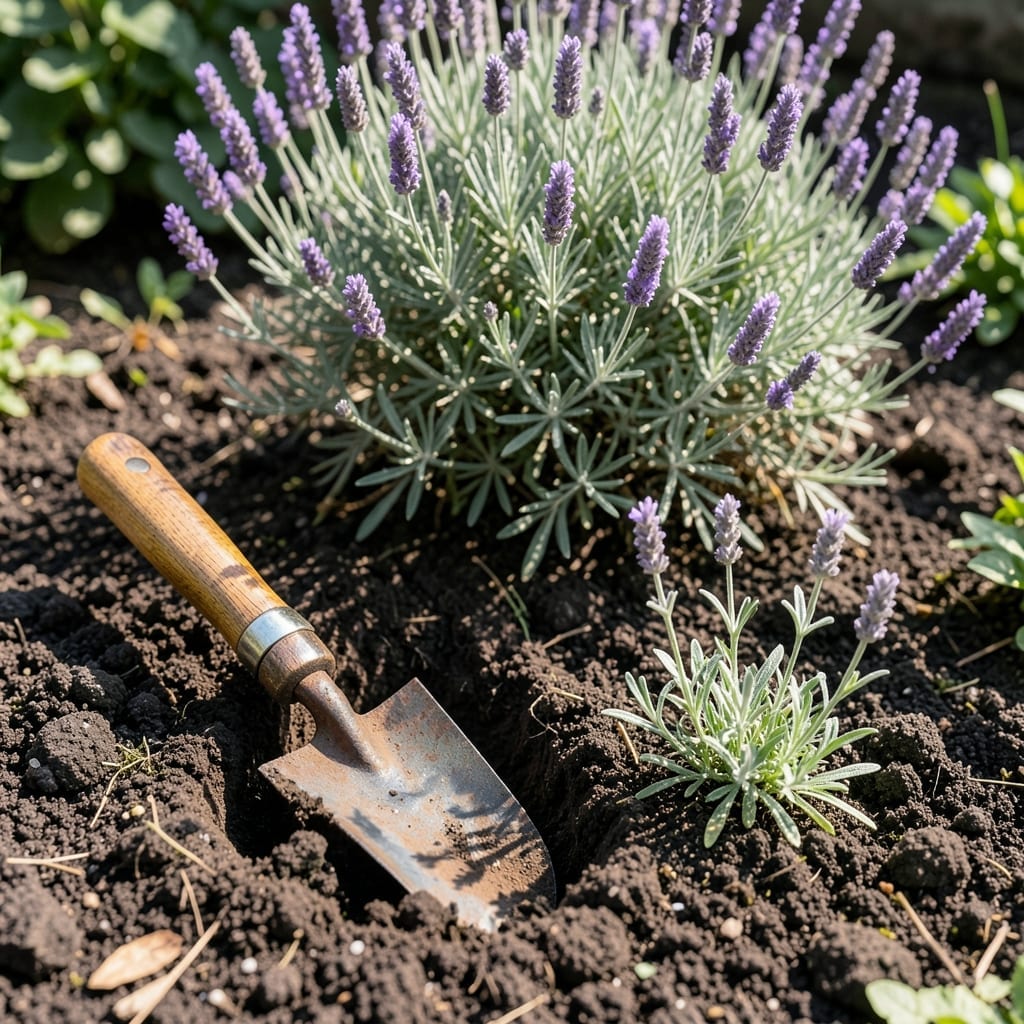
Planting lavender at the right depth is the secret to vibrant blooms and thriving plants, yet many gardeners unknowingly make mistakes that stunt growth.
I’ve seen healthy 🟣 Lavender struggle because it was placed too deep or too shallow. Getting this right means the difference between a flourishing garden and a frustrating one.
The good news? It’s simpler than you think. With the right technique, you’ll set your Lavender up for success from day one.
Discover the exact depth and steps to ensure your plants thrive in zones 5-9. Let’s dig in.

Getting the planting depth right is crucial for healthy lavender. I’ve seen too many gardeners bury their lavender too deep, leading to rotten crowns and stunted growth. The general rule is to match the nursery container depth for most varieties.
Each lavender type has slight variations. English lavender thrives when planted at the same depth it was growing in its pot. Spanish and French varieties prefer slightly shallower planting to prevent moisture issues.
| Variety | Ideal Depth | Spacing | Soil Level |
|---|---|---|---|
| English | Same as container | 18-24 inches | Crown slightly above soil |
| Spanish | 1/2 inch shallower | 24 inches | Crown at soil level |
| French | Same as container | 24-36 inches | Crown 1/4 inch above soil |
For English lavender, dig a hole just deep enough so the root ball sits level with the surrounding soil. This ensures the crown stays dry and healthy. I always recommend testing the hole depth with the pot first.
Spanish lavender is more sensitive to moisture. Plant it 1/2 inch higher than its container depth. This extra elevation helps prevent crown rot in wetter climates. The same applies to French lavender, but with slightly less elevation.
Spacing is just as important as depth. English lavender needs 18-24 inches between plants, while Spanish and French varieties require 24-36 inches. Proper spacing ensures good air circulation and reduces disease risk.
Always check the soil drainage before planting. Lavender hates wet feet, so if your soil is heavy clay, consider planting in raised beds or amending with sand and gravel. A simple drainage test can save you headaches later.
After planting, lightly tamp the soil around the base. This removes air pockets and helps the roots establish. Avoid pressing too hard, as lavender roots need some breathing room to thrive.
Remember, the crown (where stems meet roots) should never be buried. Keep it at or just above soil level to prevent rot and encourage healthy growth. This small detail makes a big difference in your lavender’s longevity.
Finally, water deeply after planting to help the roots settle. After that, lavender is drought-tolerant and only needs occasional watering. Overwatering is a common mistake that can undo all your depth and spacing efforts.
🌿Planting lavender at the wrong depth can lead to crown rot or poor root development. I’ve seen gardeners bury the stem too deep, suffocating the plant, while others leave it too shallow, causing it to dry out.
Both extremes stress the plant, reducing vibrant blooms and overall health. The key is finding that sweet spot where the root ball sits just right.
⚠️ Avoid These Lavender Planting Errors
If you’ve already planted too deep, don’t panic. Gently lift the plant and adjust the depth. For shallow plants, add a light layer of soil to cover the roots without smothering the crown.
Remember, lavender thrives in well-draining soil. If your soil is heavy, amend it with sand or gravel to prevent waterlogging, which is often worse than incorrect depth.
Another common mistake is overwatering after planting. Lavender prefers dry conditions, so water sparingly and only when the soil is completely dry.
By avoiding these pitfalls, you’ll give your lavender the best chance to establish strong roots and produce those fragrant purple blooms we all love. ✂️