
Beautiful Plants For Your Interior
Beautiful Plants For Your Interior
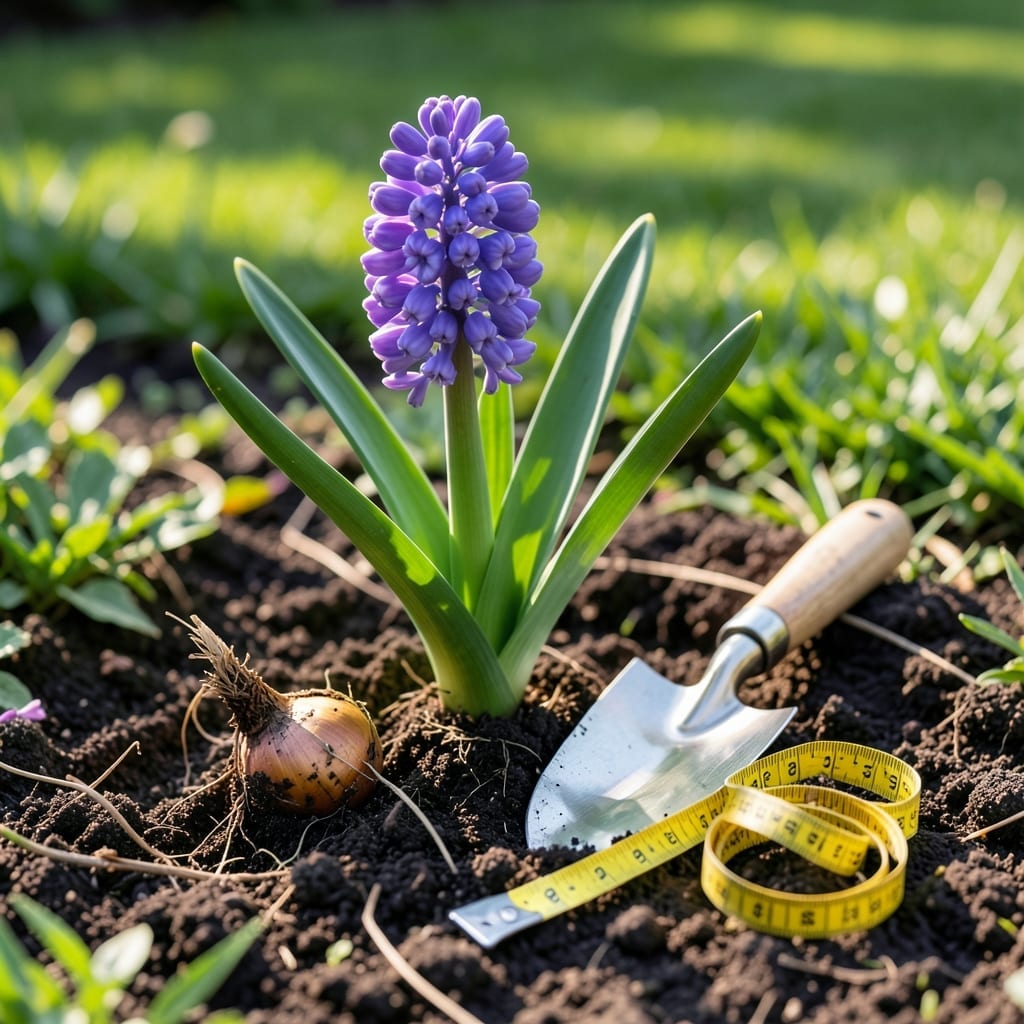
Planting Hyacinth 🌷 bulbs at the right depth makes all the difference between lackluster growth and a stunning spring display. One simple mistake here can leave you staring at bare soil when you expected vibrant blooms.
I’ve seen too many gardeners plant these beauties either too shallow or too deep, only to wonder why their flowers never appear. The sweet spot exists, and it’s easier to hit than you think.
Getting the depth right protects your bulbs from frost and gives roots room to establish. It’s the key to strong, healthy plants that return year after year with minimal effort on your part.
Let me walk you through exactly how to nail this step so your Hyacinth garden thrives from the very first season. You’ll be amazed at the difference proper planting makes.

Getting the planting depth right is crucial for hyacinth bulbs to thrive. I always plant mine 6-8 inches deep to ensure they’re protected from frost and can develop strong roots. This depth also helps anchor the plants against wind.
If you’re in USDA zones 4-8, this depth works perfectly. The pointed end of the bulb should face upward, and the soil should be well-draining to prevent rot. I’ve found that sandy loam is ideal for hyacinths.
| Requirement | Specification |
|---|---|
| Planting Depth | 6-8 inches |
| Bulb Orientation | Pointed end up |
| Spacing | 4-6 inches apart |
| Best Planting Time | September-November |
I always prepare the soil by loosening it to 12 inches deep and mixing in compost for extra nutrients. This gives the bulbs room to grow and access to the nutrients they need for vibrant blooms.
For container planting, use a pot that’s at least 8 inches deep and ensure it has drainage holes. Hyacinths hate soggy soil, so I avoid overwatering after planting.
In colder climates, I add a layer of mulch after planting to insulate the bulbs. This extra protection helps them survive winter frosts and emerge strong in spring.
If you’re planting in heavy clay soil, consider amending it with sand or peat moss to improve drainage. Hyacinths prefer soil that doesn’t stay wet for long periods.
I’ve noticed that bulbs planted too shallow often heave out of the soil during freeze-thaw cycles. This exposes them to cold damage and can ruin your spring display.
For the best results, I plant hyacinths in full sun to partial shade. They need at least 6 hours of sunlight daily to produce those gorgeous, fragrant blooms we all love.
After planting, I water the bulbs thoroughly once to settle the soil. Then, I hold off on watering again unless we have a dry spell. This helps prevent rot while encouraging root growth.
With the right depth and care, your hyacinths will reward you with stunning spring flowers and a fragrance that’s hard to beat. 🌷
Planting hyacinth bulbs at the wrong depth is a common mistake that can ruin your spring display. Too shallow, and frost can damage the bulbs. Too deep, and they may struggle to sprout at all.
I’ve seen gardeners plant bulbs just 2-3 inches deep, only to lose them to winter cold. Others bury them 10+ inches down, wondering why nothing appears in spring.
⚠️ Avoid These Depth Errors
Too shallow (under 4 inches): Risk of frost damage and weak roots.
Too deep (over 8 inches): Bulbs may rot or fail to emerge.
When bulbs are too close to the surface, they’re exposed to temperature swings that can kill them. They need soil insulation to survive winter and thrive in spring.
On the other hand, planting too deep wastes the bulb’s energy. It spends all its resources pushing through extra soil just to reach sunlight, leaving little for blooming.
The ideal 6-8 inch depth balances protection and growth. At this depth, bulbs stay warm enough to root while still having enough soil to push through come spring.
If you’ve planted too shallow, add mulch for extra insulation. If too deep, dig up and replant at the correct depth before winter sets in. 🌱