
Beautiful Plants For Your Interior
Beautiful Plants For Your Interior
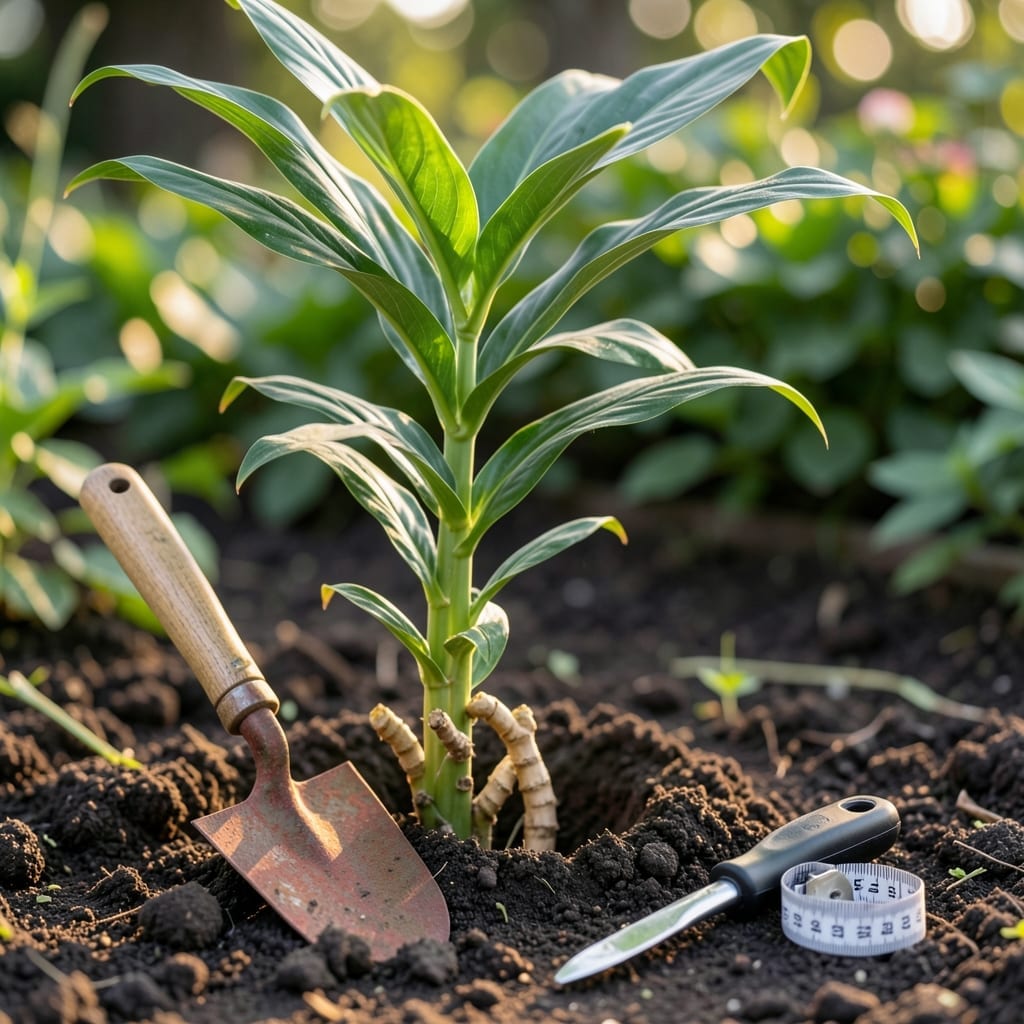
Planting Ginger 🌱 at the correct depth can make or break your harvest. Too deep, and the rhizomes may rot. Too shallow, and they’ll dry out before they can thrive.
I’ve learned through trial and error that even small adjustments in planting depth can lead to healthier growth and a more abundant yield. It’s all about giving those rhizomes the perfect start.
Whether you’re a first-time grower or looking to refine your technique, getting this step right is non-negotiable. The good news? It’s simpler than you might think.
Discover the ideal depth and a few pro tips to ensure your Ginger plants flourish from the very beginning.
Getting the planting depth right is crucial for healthy ginger growth. Too deep, and the rhizomes may rot; too shallow, and they dry out. I’ve found that 1-2 inches deep works best for most climates.
The ideal depth allows buds to sprout while keeping rhizomes moist. In warmer zones, you can plant slightly deeper, but cool climates need shallower placement to prevent cold damage.
| Requirement | Specification |
|---|---|
| Planting Depth | 1-2 inches |
| Soil Type | Well-draining loam |
| Spacing | 8-12 inches apart |
| Soil Temp | 70-75°F minimum |
| Orientation | Buds facing upward |
I always prep the soil first by loosening it to 12 inches deep. This helps rhizomes expand easily as they grow. Adding compost or aged manure improves drainage and fertility.
In containers, I use a deep pot (at least 12 inches) to accommodate growth. The same 1-2 inch depth rule applies, but ensure the container has drainage holes to prevent waterlogging.
If your soil is heavy clay, consider raised beds or amending with sand and organic matter. Ginger hates soggy roots, so good drainage is non-negotiable.
For cold climates, start ginger indoors in late winter. Transplant outdoors only after all frost danger has passed, maintaining that 1-2 inch depth.
I’ve noticed that mulching with straw or leaves helps maintain consistent moisture without waterlogging. Just avoid piling mulch directly against the sprouting buds.
Remember, ginger is tropical, so it thrives in warm, humid conditions. If your summers are dry, water deeply but infrequently to encourage deep root growth.
By following these depth guidelines and preparing the soil properly, you’ll give your ginger plants the best start for vigorous growth and a generous harvest. 🌱
Planting ginger rhizomes at the correct depth ensures strong, healthy growth. I always start by soaking the rhizome pieces overnight to wake up the buds before planting. This simple step boosts sprouting success.
Next, prepare a well-draining bed with loose, rich soil. Ginger hates soggy roots, so I mix in compost and sand for better drainage. This creates the perfect environment for rhizome development.
After planting, I keep the soil moist but never waterlogged. Ginger thrives in partial shade, so I choose a spot with morning sun and afternoon protection. This balance prevents stress on young shoots.
In warmer climates, I plant ginger outdoors after the last frost. For cooler areas, containers work well. Just ensure the pot has drainage holes to prevent root rot from excess moisture.
Within 2-3 weeks, you should see green shoots emerging. This is your sign that the rhizomes are establishing well. I find that consistent moisture is key during this early growth phase.
Mulching with straw helps retain moisture and suppress weeds. I apply a 2-inch layer around the plants, keeping it a few inches from the stems. This simple step makes a big difference in plant health and rhizome size 🌱