
Beautiful Plants For Your Interior
Beautiful Plants For Your Interior
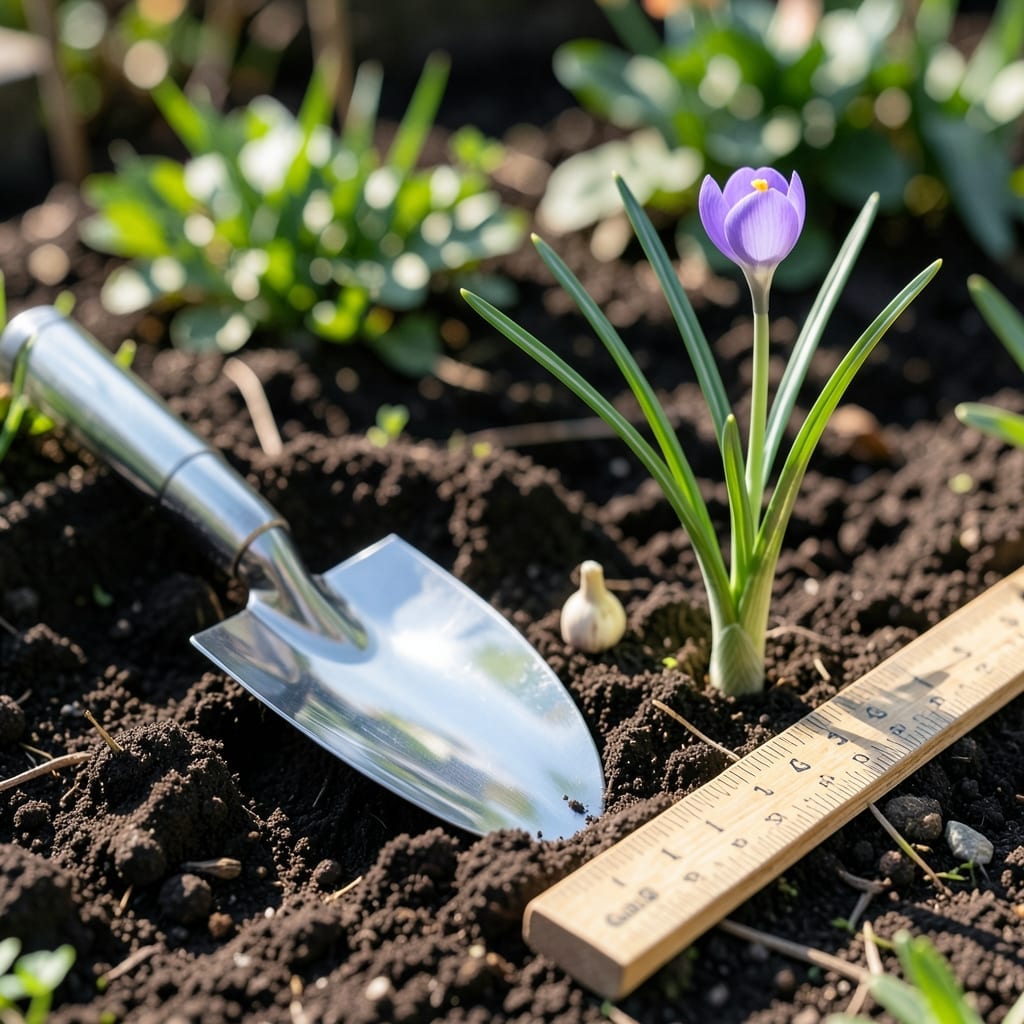
Planting Crocus bulbs at the right depth can make or break your spring garden display. Get it wrong, and you might end up with sparse blooms or none at all.
I’ve learned that the perfect depth ensures these hardy little 🌷 flowers thrive through winter and burst into color when the weather warms. It’s simpler than you might think.
Let me walk you through the key steps to set your Crocus bulbs up for success, so you can enjoy those cheerful early blooms year after year.
Getting the planting depth right for crocus bulbs is crucial for their survival and spring blooms. I’ve found that 3-4 inches deep works best in most soil types.
But here’s the thing: soil type can change the ideal depth slightly. Loamy soil is the gold standard, but clay and sandy soils need adjustments. 🌱
| Soil Type | Recommended Depth | Key Benefit |
|---|---|---|
| Loamy | 3-4 inches | Best drainage & aeration |
| Clay | 2-3 inches | Prevents waterlogging |
| Sandy | 4-5 inches | Extra protection from drying |
In loamy soil, the standard 3-4 inch depth gives bulbs enough protection while allowing roots to establish. This soil type drains well but retains just enough moisture.
For clay soil, I recommend planting shallower at 2-3 inches. The dense nature of clay can trap water, and deeper planting might cause bulbs to rot over winter.
Sandy soil drains quickly, so I go deeper—4-5 inches—to shield bulbs from drying out. The extra depth helps maintain consistent moisture levels around the bulb. ☀️
The depth matters because it affects the bulb’s ability to survive winter and produce strong roots. Too shallow, and bulbs may heave out of the ground during freeze-thaw cycles.
Too deep, and the bulb wastes energy pushing through too much soil, leading to weaker blooms or no flowers at all. I’ve seen this happen with bulbs planted over 6 inches deep.
Remember that spacing also matters. I plant my crocus bulbs 2-4 inches apart for a dense but not crowded display. This gives each bulb enough room to grow.
In colder USDA zones 3-5, leaning toward the deeper end of the range adds extra winter protection. In milder zones, you can stay at the shallower end of the recommendation.
After planting, I always water thoroughly to help the soil settle around the bulbs. This eliminates air pockets that could dry out the roots before they establish. 🌿
Planting crocus bulbs correctly ensures a stunning spring display. I always start by choosing a well-draining location with plenty of sunlight, as these bulbs thrive in bright conditions.
The best time to plant is in early fall, about 6-8 weeks before the first frost. This gives the bulbs enough time to establish roots before winter sets in. 🌱
✅ Step-by-Step Planting Guide:
First, I loosen the soil to about 12 inches deep. This helps the roots penetrate easily and ensures good drainage, which is critical for preventing bulb rot.
Next, I place each bulb 3-4 inches deep with the pointy end facing up. If you’re unsure which end is up, plant it sideways—the bulb will still find its way to the surface. 🌿
I space my crocus bulbs 2-4 inches apart for a full, carpet-like effect. Closer spacing works for a denser look, but avoid crowding to prevent competition for nutrients.
After planting, I water deeply to help the soil settle and eliminate air pockets. This step is crucial for root establishment before winter dormancy.
Finally, I add a 2-inch layer of mulch in colder zones to insulate the bulbs. This protects them from temperature fluctuations and helps retain soil moisture. ☀️