
Beautiful Plants For Your Interior
Beautiful Plants For Your Interior
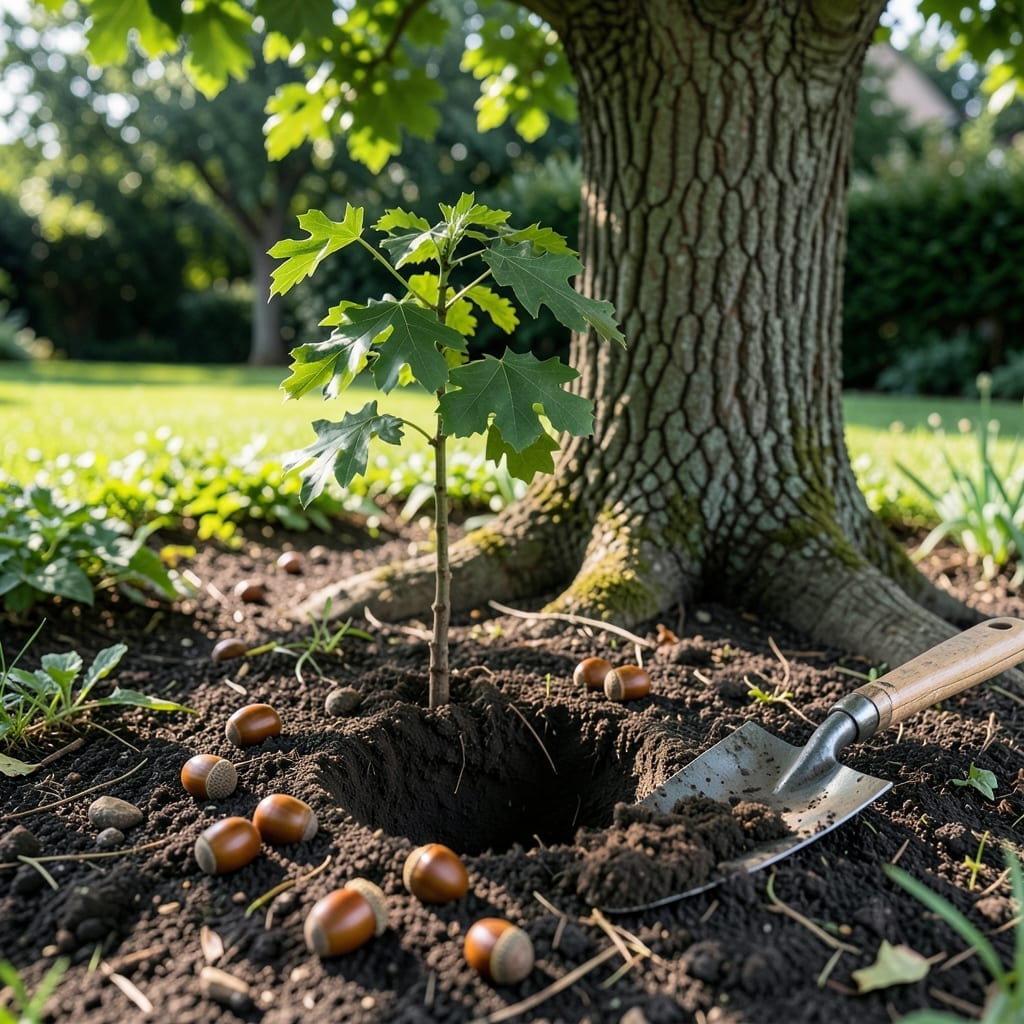
Planting acorns correctly is the first step to growing majestic 🌳 Oak Trees, but getting the depth right can mean the difference between a thriving sapling and a failed germination.
Many beginners plant too deep, suffocating the acorn before it has a chance to sprout. The good news? There’s a simple, proven method that dramatically improves your success rate.
I’ll show you exactly how to position your acorns for optimal growth, whether you’re working with clay, sand, or loamy soil. No guesswork, just results.
Discover the small but critical details that most gardeners overlook when starting their Oak Tree journey this fall.


Getting the planting depth right is crucial for acorn germination. I’ve found that most oak species thrive when acorns are planted 1 to 2 inches deep. This depth protects them from drying out while allowing enough oxygen access for sprouting.
If you plant too shallow, the acorn may dry out or get eaten by wildlife like squirrels. Too deep, and the emerging seedling might struggle to break through the soil. Always position the pointed end downward to guide the root growth properly.
| Requirement | Specification |
|---|---|
| Depth Range | 1-2 inches |
| Orientation | Pointed end down |
| Soil Type | Well-draining loam |
| Moisture Level | Consistently moist |
| Best Time | Fall (Oct-Nov) |
Soil conditions play a big role in success. Loamy soil with good drainage is ideal, but you can adjust. In clay soil, plant slightly shallower to prevent waterlogging. For sandy soil, go a bit deeper to retain moisture.
I always recommend testing your soil drainage first. Dig a small hole, fill it with water, and see how long it takes to drain. If it’s still full after 24 hours, your soil may be too dense for acorns.
Another key factor is moisture retention. Acorns need consistent moisture to germinate, but they shouldn’t sit in water. I like to add a layer of mulch to help retain moisture without suffocating the acorn.
Protection from wildlife is another consideration. If squirrels are a problem in your area, try planting acorns in wire cages or covering them with chicken wire until they sprout.
Temperature matters too. Oak acorns germinate best when soil temperatures are between 50-60°F. This is why fall planting is so effective—it allows for natural stratification over winter.
If you’re planting multiple acorns, space them 12-24 inches apart to give roots room to grow. This also makes it easier to transplant the strongest seedlings later.
Remember, patience is key. Some oak varieties may take several weeks to germinate, especially if they need a cold period first. Don’t dig them up to check—just keep the soil moist and wait for signs of life.
With the right depth, soil, and care, you’ll be rewarded with strong oak saplings that can grow into magnificent trees for generations to come 🌳
Planting acorns at the right depth is crucial, but soil type can change my approach. I’ve found that clay soil retains moisture well, while sandy soil drains too quickly. Each requires a slight tweak to the process.
Before planting, I always test soil drainage by digging a small hole and filling it with water. If it drains in under an hour, the soil is likely sandy. If it takes hours, it’s probably clay.
For clay soil, I loosen the area to improve aeration and prevent waterlogging. Acorns need oxygen to sprout, so compacted clay can be a problem without this step.
In sandy soil, I add a thin layer of compost to help retain moisture. This extra organic matter ensures the acorn doesn’t dry out before germination begins.
Loamy soil is the gold standard—it’s naturally balanced. Here, I plant acorns 1.5 inches deep and lightly water. This soil type rarely needs extra amendments.
After planting, I mark the spot with a small stick or label. This helps me track progress and avoid disturbing the area while gardening. Patience is key, as oak saplings can take weeks to emerge.
Finally, I protect the area from squirrels and other critters with a wire mesh until the sapling is established. This simple step saves a lot of heartache.