
Beautiful Plants For Your Interior
Beautiful Plants For Your Interior
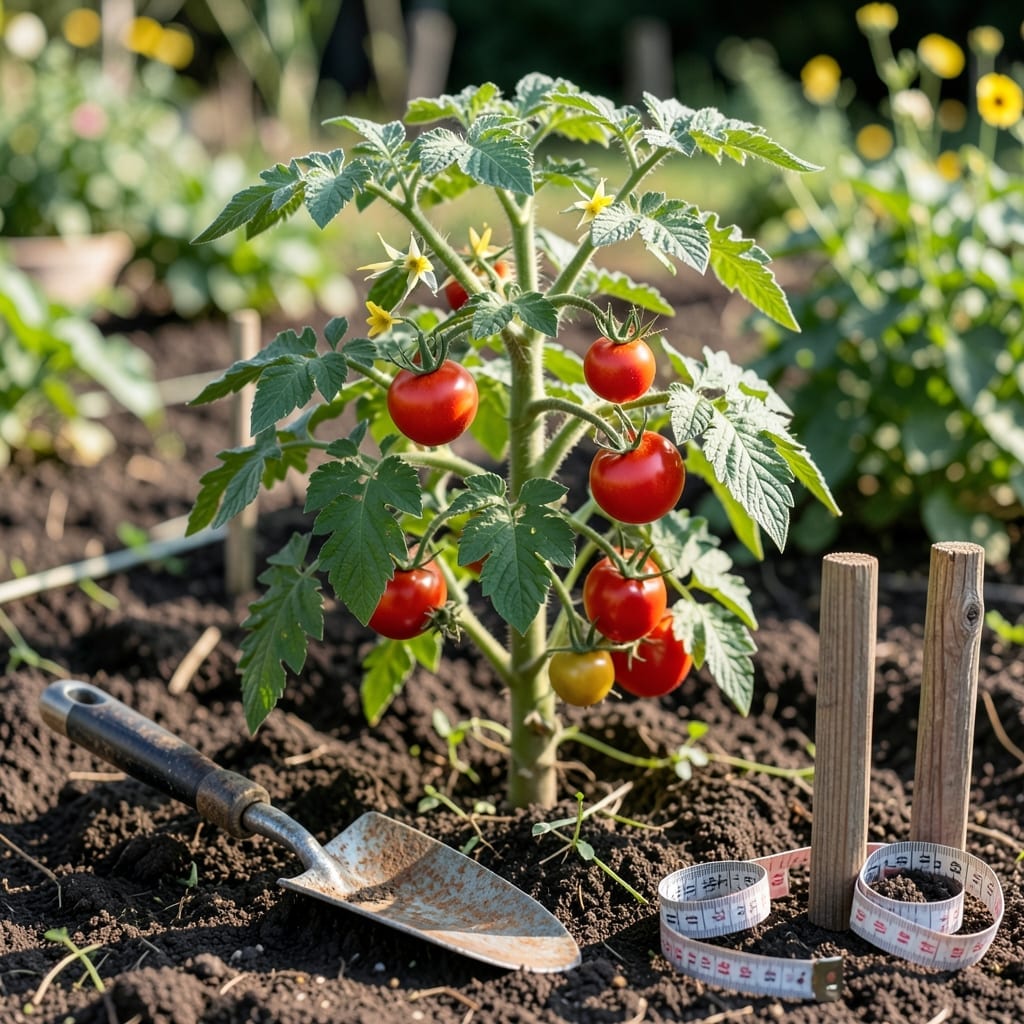
Planting your 🍅 Tomato at the right depth can transform your garden from mediocre to magnificent. It’s not just about sticking it in the soil and hoping for the best.
This simple step is the foundation for strong roots and healthy growth. Get it wrong, and you might end up with weak, struggling plants.
I’ve learned the hard way that 2/3 of the stem should be buried to encourage extra root growth. It’s a game-changer for stability and nutrient uptake.
Discover how to do it right and avoid the common pitfalls that many gardeners face. Your efforts will pay off with a bountiful harvest.
Getting the planting depth right is one of the most overlooked secrets to growing healthy tomato plants. Unlike many vegetables, tomatoes thrive when planted deeper than their original container.
When you bury part of the stem, the plant develops additional roots along the buried section, creating a stronger, more drought-resistant root system. This is why deep planting is so effective for tomatoes.
🌱 Pro Gardening Insight
Tomatoes can grow roots from their stems when buried. Planting deep encourages 2-3x more roots than shallow planting, leading to bigger plants and better yields.
The science behind this lies in the tomato’s ability to produce adventitious roots from stem nodes. These extra roots increase the plant’s ability to absorb water and nutrients from the soil.
Planting too shallow can lead to weak root systems, making the plant more susceptible to toppling over or drought stress. A shallow root system struggles to anchor the plant securely.
On the other hand, planting too deep can bury the first set of leaves, which may rot or fail to emerge. The ideal depth allows the lower leaves to remain just above the soil.
For transplants, I always bury them so that 2/3 of the stem is underground. This means only the top few inches with leaves should be above soil level. This method works for both determinate and indeterminate varieties.
If your seedlings are leggy, deep planting is even more beneficial. The extra length can be buried horizontally in a trench, and the plant will still develop roots along the buried stem.
In container gardening, ensure your pot is deep enough to accommodate this planting method. A 5-gallon container is the minimum I recommend for most tomato varieties.
Remember, the soil temperature also matters. Tomatoes prefer warm soil (at least 60°F), so wait until after the last frost in your area before planting.
By mastering this simple technique, you’ll give your tomato plants the best start for a productive growing season 🌱
Getting the planting depth right is the secret to strong tomato roots. I always bury 2/3 of the stem when transplanting seedlings. This encourages extra root growth along the buried stem.
For leggy seedlings, plant them horizontally in a trench. The stem will develop roots all along its length, giving your plant a stronger foundation. This method works wonders for tall, spindly starts.
In container gardening, ensure your pot is deep enough to accommodate the buried stem. A 5-gallon container is ideal for most tomato varieties. Shallow pots restrict root growth.
If you’re planting transplants from a nursery, check the root ball. The planting hole should be twice as wide and slightly deeper than the root ball. This gives roots room to spread.
Remember, deep planting isn’t just for seedlings. Even mature tomato plants benefit from being planted deeper when transplanted. The extra depth provides stability against wind.
Finally, avoid planting too deep in heavy clay soil, as it can suffocate roots. In such cases, plant slightly shallower and amend the soil with compost for better drainage.
With these steps, you’ll give your tomatoes the best start for a productive season 🌱