
Beautiful Plants For Your Interior
Beautiful Plants For Your Interior
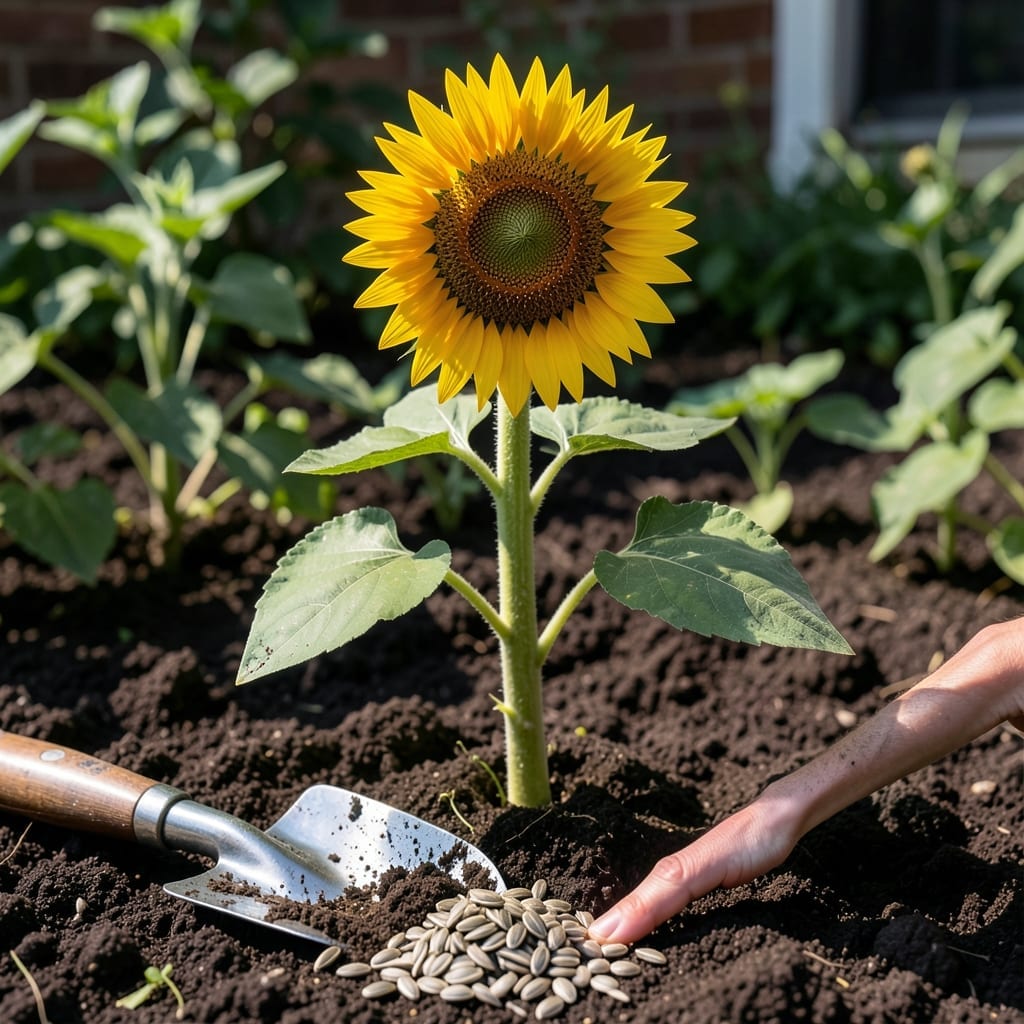
Planting Sunflower seeds at the right depth can make or break your garden’s summer showcase. Too shallow, and they’ll dry out; too deep, and they might never sprout.
I’ve seen both scenarios play out, and let me tell you – getting it perfect is easier than you think. The ideal depth balances moisture access with the seed’s ability to push through the soil.
Let me walk you through the simple steps to ensure your 🌻 Sunflowers grow tall, strong, and ready to impress all season long.

Getting the planting depth just right is crucial for strong sunflower growth. I always aim for 1-2 inches deep in well-draining soil, which gives seeds enough coverage while allowing easy sprouting.
This depth ensures the seed stays moist but isn’t buried so deep that the seedling struggles to break through. For most sunflower varieties, this is the sweet spot for healthy root development. 🌻
| Requirement | Specification |
|---|---|
| Planting Depth | 1-2 inches |
| Soil Type | Well-draining |
| Seed Spacing | 6-12 inches |
| Sunlight | 6+ hours daily |
| Watering | Keep moist |
I’ve found that deeper planting can actually weaken the stem because the seedling uses too much energy pushing through the soil. Shallower than 1 inch, and the seeds might dry out or get washed away.
For giant sunflowers like Mammoth, I go closer to 2 inches deep for extra stability. Smaller varieties like Teddy Bear do fine at 1 inch. Always check your seed packet for specific advice. 🌱
Soil temperature matters too. I wait until the soil reaches at least 55-60°F before planting. Cold soil can delay germination or cause rot, even at the perfect depth.
After planting, I gently water the area to settle the soil around the seeds. This helps prevent air pockets that could hinder growth. A light mulch layer can also help retain moisture. ☀️
Remember, consistent moisture is key during the first 7-10 days after planting. Once seedlings emerge, you can reduce watering frequency but increase the amount per session.
If you’re planting in heavy clay soil, consider mixing in some compost to improve drainage. Sunflowers don’t like wet feet, and poor drainage can cause seeds to rot before they sprout.
Finally, I always mark my planting spots with small sticks or labels. This helps me remember where I’ve planted and avoid accidentally disturbing the seeds while weeding. 🌿
Even experienced gardeners sometimes get sunflower seed depth wrong. I’ve seen seeds planted too deep (3+ inches) struggle to emerge, while shallow plantings (less than 1/2 inch) often dry out or get eaten by birds.
The most common issue is over-planting in heavy soils. When seeds are buried too deep in clay, they often rot before germinating. Conversely, in sandy soil, shallow seeds may not maintain enough moisture contact. 🌱
⚠️ Warning: Planting too deep (over 2 inches) can cause weak stems and poor germination. Shallow planting (under 1 inch) risks drying out or seed washout during rain.
Another frequent mistake is not checking soil temperature. I once planted seeds in 50°F soil and they took weeks to sprout. The ideal is 55-60°F for consistent germination.
Many gardeners also forget to firm the soil after planting. Loose soil creates air pockets that can prevent proper root-soil contact. I always press down gently after planting to ensure good contact. ☀️
For those using seed trays, remember that sunflowers dislike root disturbance. I recommend direct sowing whenever possible to avoid transplant shock.
Lastly, watch for over-watering after planting. While moisture is crucial, soggy soil can cause seeds to rot. I water just enough to dampen the soil, then wait until the top inch feels dry before watering again. 🌿