
Beautiful Plants For Your Interior
Beautiful Plants For Your Interior
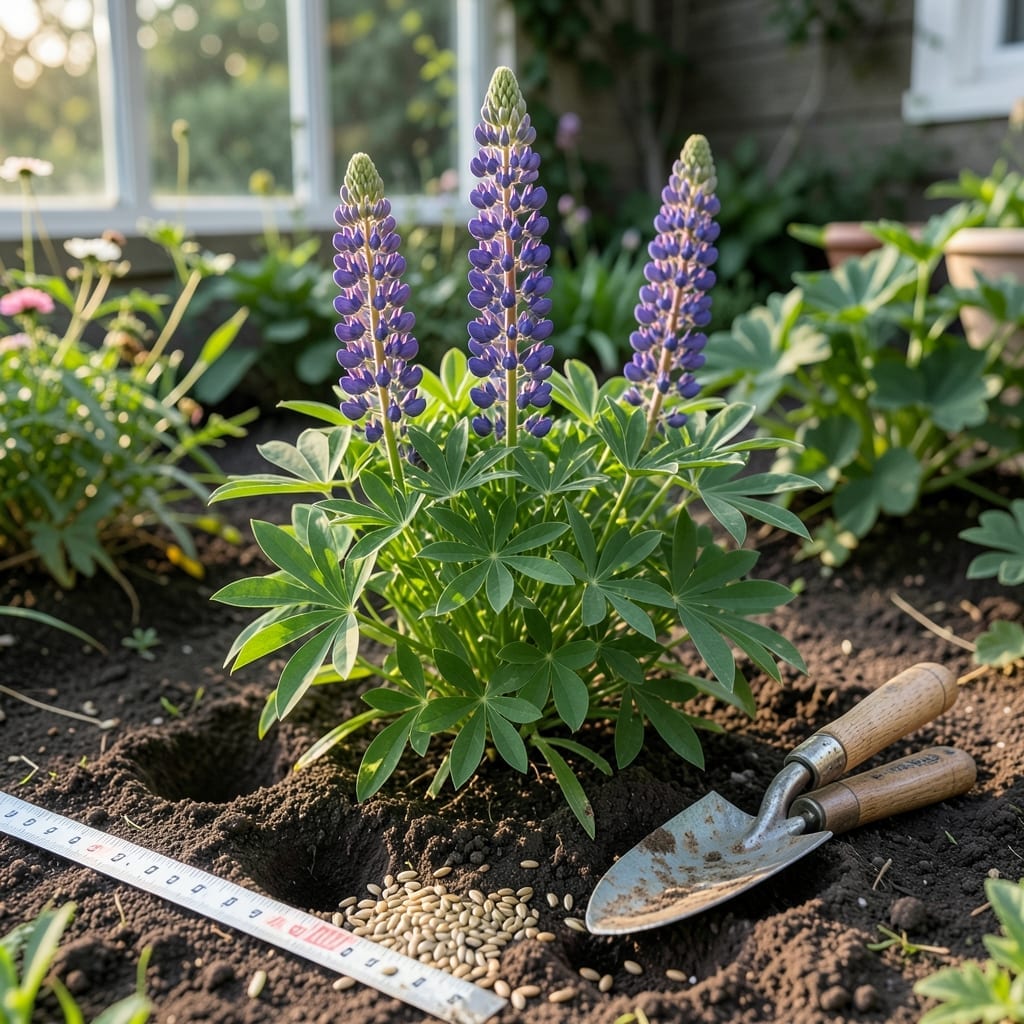
Planting Lupine 🌸 seeds at the right depth can make all the difference between a thriving garden and a disappointing one. It’s the small details that often determine success when growing these beautiful flowers.
I’ve seen firsthand how proper planting depth leads to stronger germination and healthier plants. Whether you’re a seasoned gardener or just starting out, understanding this one factor can transform your results.
Let me walk you through the most important considerations for getting your Lupine seeds off to the best possible start. The payoff will be worth it when you see those vibrant blooms.


Getting the planting depth right is crucial for lupine seeds. In general, I recommend planting them 1/4 to 1/2 inch deep. This range ensures they have enough soil contact for moisture while still accessing light for germination.
However, the ideal depth can vary slightly depending on your soil type. Different textures affect how moisture and warmth reach the seeds, so adjustments may be needed for best results 🌱
| Soil Type | Optimal Depth | Key Reason |
|---|---|---|
| Sandy Soil | 1/2 inch | Dries quickly, needs deeper placement |
| Loamy Soil | 1/4 to 1/3 inch | Ideal moisture retention |
| Clay Soil | 1/4 inch | Retains moisture, shallow planting prevents rot |
For sandy soil, which drains quickly, I plant seeds at the deeper end of the range. This helps maintain consistent moisture around the seeds, which is vital for germination in fast-draining conditions.
In loamy soil, the gold standard for most plants, I stick to 1/4 to 1/3 inch. This perfect middle ground gives seeds enough coverage while allowing them to break through easily when they sprout.
Clay soil holds moisture well, so I plant seeds shallower at just 1/4 inch. Planting too deep in clay can lead to rot because the soil stays wet longer. The shallow depth also helps with oxygen access.
Remember that seed size matters too. Lupine seeds are relatively large, so they have more stored energy to push through the soil. This is why they can handle being planted a bit deeper than tiny seeds.
I always check my soil type before planting. A simple test is to squeeze a handful of moist soil. If it holds its shape but crumbles when touched, it’s likely loam. If it feels gritty, it’s sandy. If it’s sticky, it’s clay.
After planting, I gently firm the soil to ensure good seed-to-soil contact. This improves moisture transfer and helps prevent the seeds from drying out or being washed away by rain.
Finally, I’ve found that marking my planting rows helps me remember where I’ve sown my lupine seeds. This is especially useful since they can take 10-21 days to germinate, and I don’t want to accidentally disturb them while they’re working their magic underground 🌿
Planting lupine seeds at the correct depth starts with soil preparation. I always begin by loosening the soil to 6-8 inches deep to create a welcoming environment for the roots to establish easily.
Once the soil is ready, I space the seeds 12-18 inches apart to give each plant room to grow. This spacing prevents overcrowding and ensures good air circulation, which is vital for healthy lupine development 🌱
After placing the seeds, I cover them with fine soil and gently press down to ensure good contact. This step is crucial because it helps the seeds absorb moisture from the soil, which kickstarts the germination process.
I then water the area gently but thoroughly to settle the soil around the seeds. Using a fine spray or mist setting on my hose prevents the seeds from being dislodged or washed away.
One trick I use is to mark the planting area with small flags or sticks. This helps me keep track of where I’ve planted, especially since lupine seeds can take 2-3 weeks to germinate.
After planting, I keep the soil consistently moist but not waterlogged. Overwatering can cause the seeds to rot, while underwatering can prevent germination altogether.
Finally, I monitor the area closely for signs of sprouting. Once the seedlings emerge, I gradually reduce watering to encourage strong root development. This careful approach sets my lupines up for success 🌿