
Beautiful Plants For Your Interior
Beautiful Plants For Your Interior
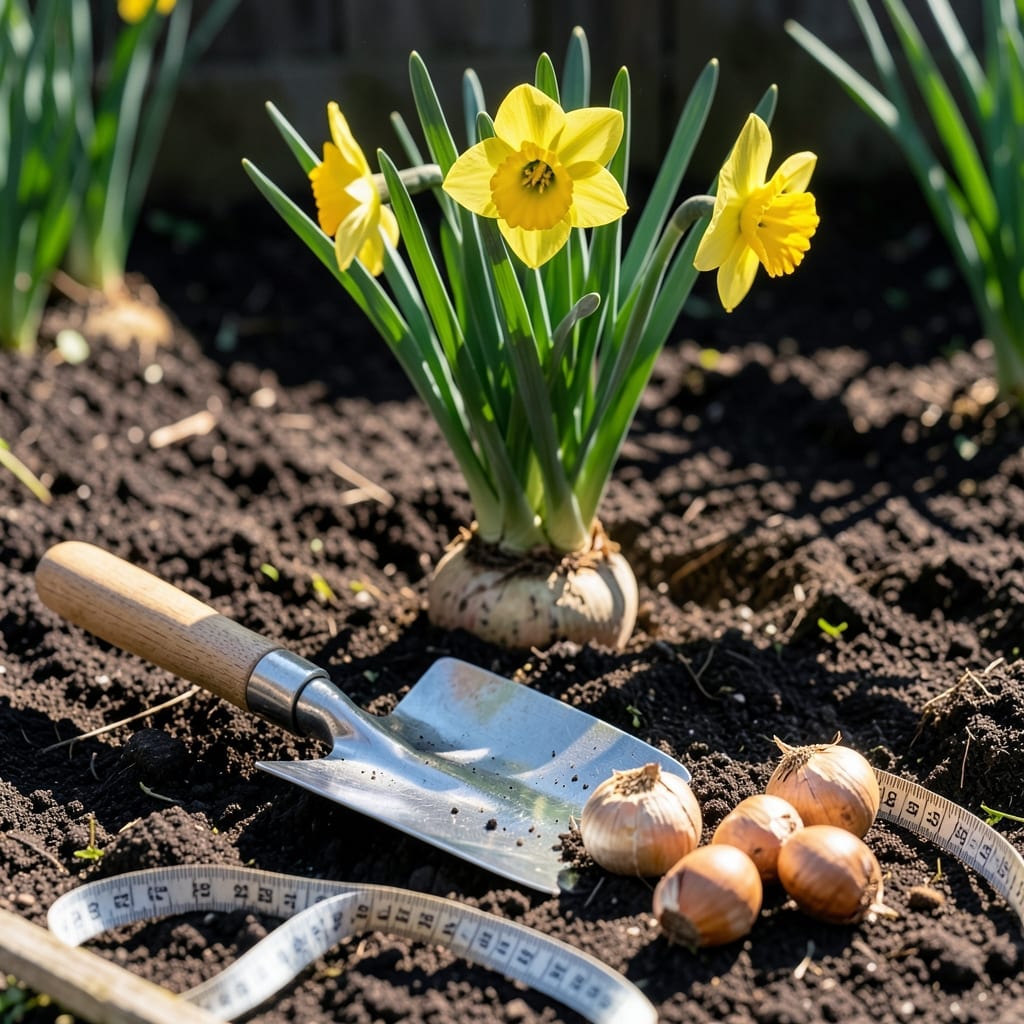
Planting your 🌷 Daffodil bulbs at the wrong depth can turn what should be a spectacular spring display into a season of disappointment. It’s the key to reliable blooms year after year.
Get this right, and you’ll enjoy vibrant flowers with almost no effort. I’ve seen firsthand how a simple depth adjustment can make all the difference in your garden’s success.
Let me show you exactly how to plant them for perfect results, no matter your soil or climate. You’ll wonder why you didn’t do this sooner.
Getting the planting depth right ensures your 🌷 Daffodils thrive. The golden rule is to plant bulbs 2-3 times deeper than their height. For most daffodils, that means 6-8 inches deep.
But soil type changes everything. In heavy clay, plant slightly shallower to prevent rot. In sandy soil, go deeper for stability. Let me break it down for you.
| Soil Type | Depth Adjustment | Notes |
|---|---|---|
| Clay | 1 inch shallower | Prevents waterlogging |
| Sandy | 1 inch deeper | Improves anchoring |
| Loamy | Standard depth | Ideal drainage |
In cold climates, add an extra 1-2 inches of depth for winter protection. This shields bulbs from freeze-thaw cycles that can push them out of the soil.
For warmer zones, stick to the standard depth but add mulch to keep soil cool. I’ve found this prevents premature sprouting during mild winters.
The 3x bulb height rule works for most varieties. Measure your bulb from base to tip, then multiply by 3. For miniature daffodils, this often means just 4-5 inches deep.
Spacing matters too. Plant bulbs 4-6 inches apart for a full look. In beds, I like to stagger depths slightly for a natural, layered effect.
If your soil is poorly draining, consider raised beds. Daffodils hate wet feet—soggy bulbs rot quickly. I’ve lost entire plantings to this mistake before learning my lesson.
For container planting, ensure pots have drainage holes. Use the same depth rules, but water more frequently as containers dry out faster.
After planting, water thoroughly to settle soil. This eliminates air pockets that can desiccate roots. I always check by gently pressing the soil—it should feel firm, not spongy.
Remember, pointy end up! While daffodils will grow regardless, planting upside down wastes energy as the bulb reorients itself. Save your bulbs the effort.
Planting 🌷 Daffodil bulbs at the wrong depth can lead to major problems. Too shallow, and they risk frost damage or poor anchoring. Too deep, and they may rot or fail to sprout.
I’ve seen shallow-planted bulbs heave out of the soil during freeze-thaw cycles. This exposes them to harsh winter conditions and often results in no blooms come spring.
⚠️ Warning: Too shallow planting causes frost damage and weak stems. Too deep planting leads to rot or no sprouts. Always follow the 3x bulb height rule for best results.
When bulbs are too deep, they struggle to push through the soil. This can delay or even prevent sprouting, leaving you with bare patches in your garden.
Another sign of incorrect depth is weak or floppy stems. This often happens with shallow planting, as the bulbs lack the stability to support tall blooms.
To fix shallow bulbs, add more soil or mulch to cover them properly. For deep bulbs, gently dig them up and replant at the correct depth.
I always check my planting depth by measuring the bulb and multiplying by 3. This simple step saves me from costly mistakes every time.
Remember, consistency is key. Whether you’re planting in clay or sandy soil, stick to the depth guidelines for reliable results.