
Beautiful Plants For Your Interior
Beautiful Plants For Your Interior
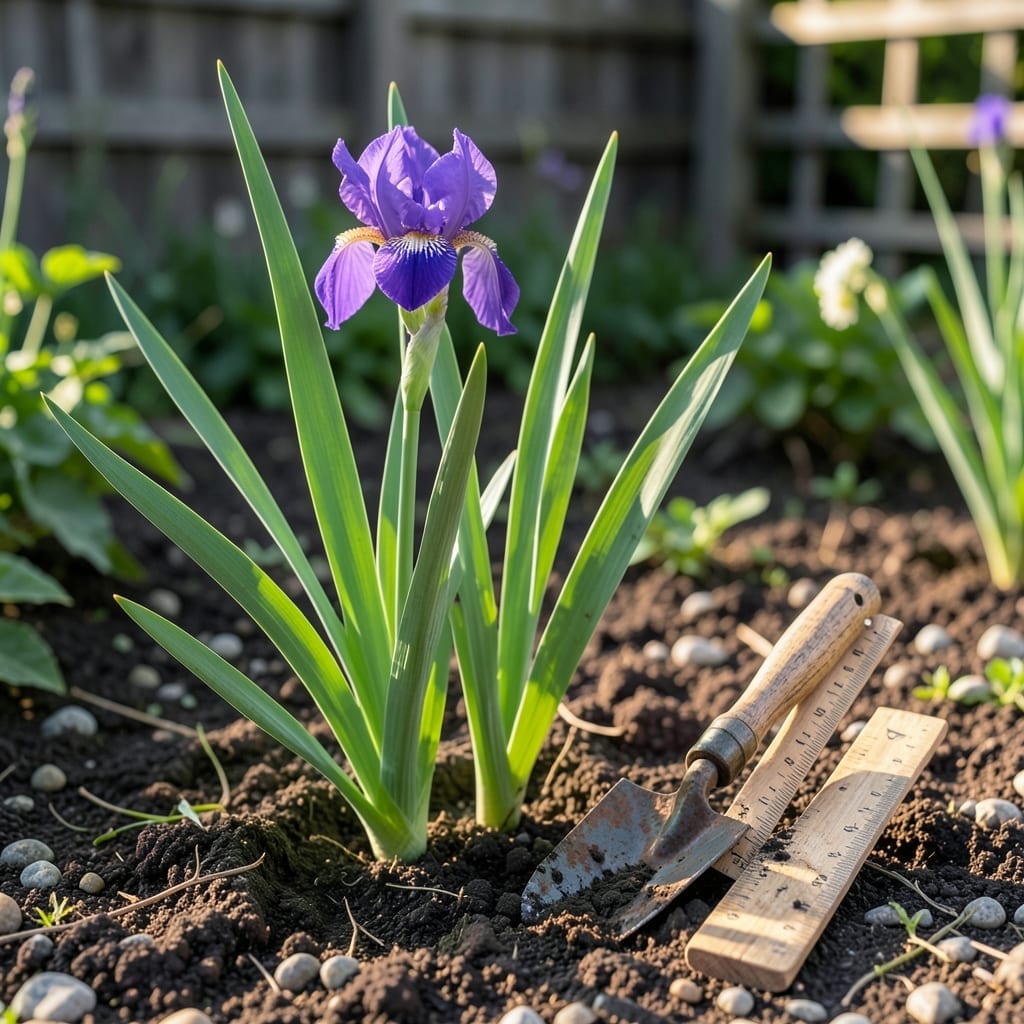
Planting your Iris 🌸 at the wrong depth is the most common mistake that leaves gardeners staring at bare soil instead of vibrant blooms. It’s a small detail that makes a huge difference.
I’ve seen too many gardeners bury their rhizomes too deep, only to wonder why their plants never flower. The solution is simpler than you think, and it starts with understanding how these hardy perennials naturally grow.
Whether you’re planting bearded, Siberian, or Japanese varieties, getting the depth right ensures your Iris will thrive in zones 3-9. No more guessing—just follow these proven guidelines.
Discover the exact depth that will transform your garden into a colorful oasis. Let’s dig in and get it right the first time.
Getting the planting depth right is crucial for healthy irises. The rhizome needs sunlight to thrive, so shallow planting is key for most varieties.
In my experience, bearded irises perform best when their rhizomes are partially exposed. This prevents rot and encourages vibrant blooms.
| Iris Type | Planting Depth | Climate Adjustments |
|---|---|---|
| Bearded Iris | Top of rhizome exposed | Deeper in hot climates |
| Siberian Iris | 1-2 inches deep | Slightly deeper in cold zones |
| Japanese Iris | 1 inch deep | Shallower in wet soils |
The rhizome’s position affects its ability to photosynthesize and store energy. Planting too deep can suffocate the rhizome and prevent blooming.
For bearded irises, I always ensure the top third of the rhizome is visible above soil. This mimics their natural growing conditions.
In colder climates, a light mulch can protect rhizomes, but avoid heavy coverage that blocks sunlight. In hotter areas, a thin soil layer helps prevent sunburn.
Siberian irises prefer moisture-retentive soil, so planting 1-2 inches deep helps maintain consistent moisture without waterlogging.
For Japanese irises, which love wet conditions, a 1-inch depth is ideal. They thrive in bog gardens or pond edges.
Remember, soil type matters too. In sandy soil, plant slightly deeper. In clay soil, plant shallower to improve drainage.
I’ve found that testing different depths in small batches helps determine the best approach for your specific garden conditions.
With the right depth, your irises will reward you with stunning blooms year after year 🌸
I’ve found that planting irises at the right depth is the secret to stunning blooms. Too deep, and the rhizomes rot. Too shallow, and they fail to thrive. The sweet spot ensures healthy growth and vibrant flowers.
For most bearded irises, the rhizome should be partially exposed at the soil surface. This allows the top to bask in sunlight while the roots stay anchored. Other varieties may need slight adjustments.
🌸 Perfect Iris Planting Steps:
I always check soil drainage before planting. Irises hate soggy feet, so amending heavy clay with sand or compost helps prevent root rot.
In colder climates, a light mulch in winter protects rhizomes, but I remove it in early spring to allow the sun to warm the soil.
If your irises aren’t blooming, depth is likely the culprit. Dig up a rhizome and check its position—adjust as needed.
With the right depth and care, your irises will reward you with years of breathtaking blooms ☀️