
Beautiful Plants For Your Interior
Beautiful Plants For Your Interior
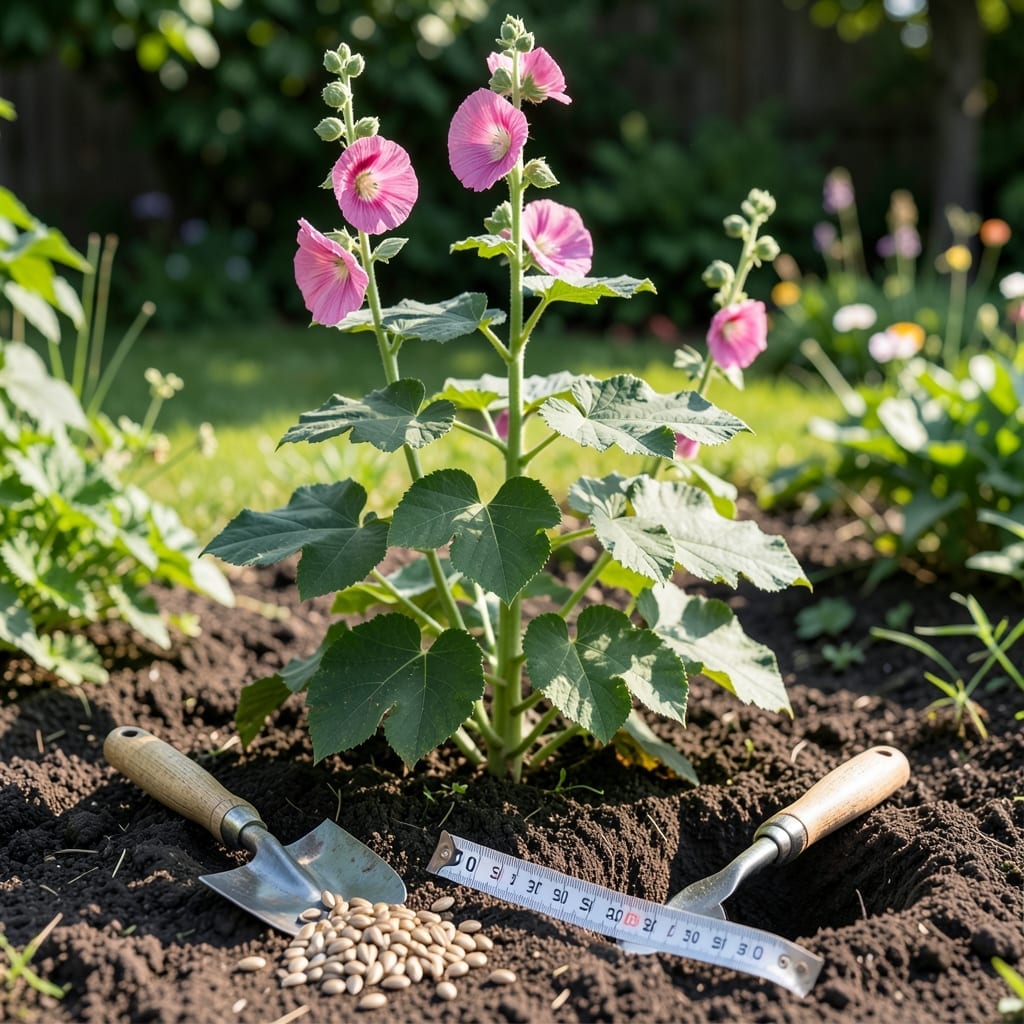
Planting hollyhock seeds at the right depth can make or break your garden’s most stunning summer display. I’ve seen too many gardeners struggle with weak sprouts simply because they buried their seeds too deep.
The 🌸 Hollyhock thrives when given the proper start. Get this first step right, and you’ll be rewarded with towering, vibrant blooms that turn heads all season long.
Discover the simple secret to perfect germination and strong growth that most beginners overlook. Your dream garden begins with this crucial planting knowledge.


Getting the planting depth right for hollyhock seeds is crucial for strong germination. I’ve learned that these seeds need just the right conditions to thrive and produce those iconic tall blooms.
The magic number for hollyhock seeds is 1/4 to 1/2 inch deep. Planting them too deep can prevent sprouting, while too shallow may leave them exposed to drying out or being washed away.
| Requirement | Specification |
|---|---|
| Planting Depth | 1/4 to 1/2 inch |
| Soil Temperature | 60-70°F |
| Seed Spacing | 12-18 inches apart |
| Soil Type | Well-draining, fertile |
| Sunlight Needs | Full sun (6+ hours) |
Hollyhocks thrive in well-draining soil with plenty of organic matter. I always mix in compost before planting to give the seeds a nutrient-rich start. This helps the roots establish quickly once they sprout.
Soil temperature matters too. Aim for 60-70°F for the best germination rates. If you’re planting in early spring, consider starting seeds indoors to control the environment.
Spacing is another key factor. I plant my hollyhock seeds 12-18 inches apart to allow enough room for their tall stems to grow without competing for resources. Crowding can lead to weak, spindly plants.
Shallow planting is critical because hollyhock seeds need light to germinate. Burying them too deep can prevent them from sprouting at all. A light covering of soil is all they need to stay in place while still receiving light.
Once planted, keep the soil moist but not soggy. Overwatering can cause the seeds to rot before they even have a chance to sprout. I use a gentle mist to water them in, which prevents disturbing the seeds.
In my experience, hollyhocks are low-maintenance once established, but they do need consistent moisture during germination. After they sprout, you can reduce watering slightly but keep the soil from drying out completely.
If you’re planting in heavy clay soil, consider amending it with sand or compost to improve drainage. Hollyhocks don’t like wet feet, and poor drainage can lead to root rot and other issues.
Finally, remember that hollyhocks are biennials, meaning they often don’t bloom until their second year. But with the right planting depth and care, you’ll be rewarded with stunning, tall flowers that add a touch of cottage charm to any garden 🌸
I always start by preparing the soil properly before planting hollyhock seeds. Loosen the top 6-8 inches of soil and mix in compost for better drainage and fertility.
Sow the seeds 1/4 to 1/2 inch deep as we discussed earlier, and space them 12-18 inches apart. This gives each plant enough room to develop its tall, sturdy stems.
Follow these steps for best results:
For best timing, plant in early spring or early fall. Hollyhocks prefer cooler soil for germination but need warm weather to thrive once established.
If starting indoors 6-8 weeks before the last frost, use seed trays with good drainage. Transplant outdoors after the danger of frost has passed, hardening off seedlings first.
After planting, I keep the soil consistently moist but not waterlogged. A light mulch can help retain moisture while preventing crusting of the soil surface.
Once seedlings emerge, I reduce watering slightly but never let the soil dry out completely. Hollyhocks develop deep roots, so consistent moisture early on helps establish strong plants 🌸