
Beautiful Plants For Your Interior
Beautiful Plants For Your Interior
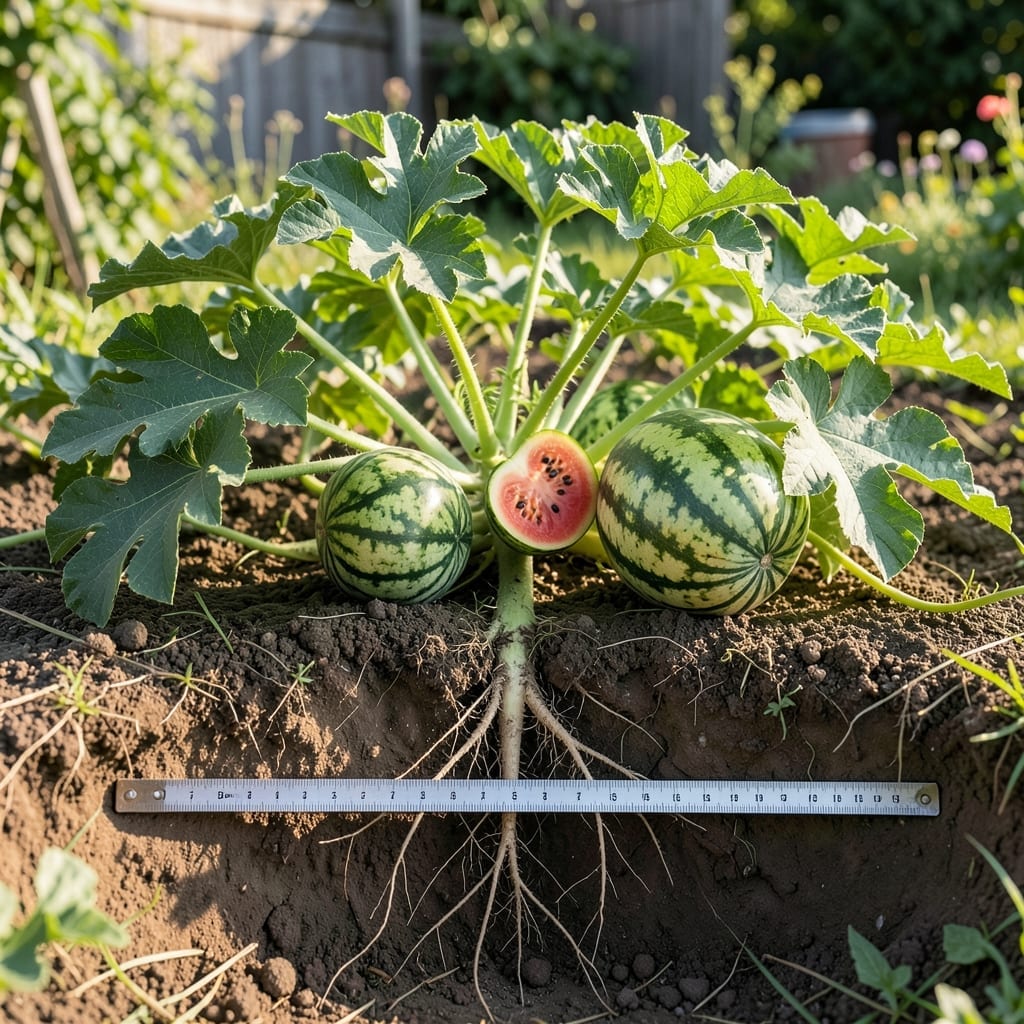
Ever wondered what’s happening beneath the soil while your 🍉 Watermelon plants spread above ground? The root system might be the most overlooked part of growing these summer favorites.
Those vines you see aren’t just for show – they’re supported by an extensive network that can reach surprising depths. Understanding this hidden growth is the key to better planting and care.
I’ll show you exactly how these roots develop and what it means for your garden’s success. Let’s dig into the details that most growers miss.
If you’ve ever grown watermelons, you know their vines spread far and wide above ground. But what’s happening below the surface is just as impressive. I’ve found that watermelon roots typically reach 12-24 inches deep, though they can extend even further in ideal conditions.
In my experience, the soil type dramatically affects root development. Loose, well-draining soils allow roots to penetrate deeper, while compacted or clay-heavy soils restrict growth. Understanding this helps you prepare the best environment for your plants 🌱
| Soil Type | Root Depth | Notes |
|---|---|---|
| Sandy | 24-36 inches | Best drainage, deepest roots |
| Loamy | 18-24 inches | Ideal balance of drainage/retention |
| Clay | 12-18 inches | Poor drainage limits depth |
The primary taproot grows straight down, while lateral roots spread horizontally. In sandy soil, I’ve seen roots reach 3 feet deep as they search for moisture. This extensive system means watermelons are quite drought-tolerant once established.
For clay soils, I recommend amending with organic matter to improve drainage. The roots can’t penetrate compacted soil, which leads to shallow root systems and weaker plants. Adding compost before planting makes a noticeable difference in my garden.
In loamy soil, the ideal scenario, roots achieve maximum spread both deep and wide. This is why watermelons thrive in well-prepared garden beds. I always aim for soil that’s loose to at least 18 inches deep before planting.
The first 2-3 weeks after planting are critical for root establishment. During this time, I ensure consistent moisture to encourage deep root growth. Once the roots are established, watermelons become quite resilient to dry spells.
Remember that while depth is important, the horizontal spread of roots can be just as extensive. In my experience, roots often spread 3-4 feet outward from the plant. This is why proper spacing is crucial – 6-8 feet between plants prevents root competition.
For container growing, choose pots at least 24 inches deep to accommodate the root system. I’ve had success with 5-gallon buckets for smaller varieties, but larger containers yield better results. Always ensure there are drainage holes at the bottom.
Understanding these root depths helps with irrigation strategies. Deep watering encourages roots to grow downward, while frequent shallow watering keeps them near the surface. I prefer drip irrigation to deliver water directly to the root zone.
This knowledge also guides fertilization. Since roots spread widely, I broadcast fertilizer in a 2-foot radius around each plant. This ensures the entire root system gets the nutrients it needs for optimal growth 🌿
Knowing that watermelon roots can reach 12-36 inches deep changes how I plan my garden layout. The extensive root system means these plants need more space than many realize, both above and below ground.
I always ensure my planting holes are at least 18 inches deep and filled with loose, fertile soil. This gives roots room to establish quickly. For rows, I maintain 6-8 feet between plants to prevent competition 🌱
The horizontal spread of watermelon roots is just as important as depth. I’ve learned to keep the area around plants clear of competing weeds that might steal water and nutrients from the extensive root zone.
For irrigation, I use soaker hoses or drip lines placed 12 inches from the plant base. This encourages roots to grow outward and downward. Avoid overhead watering, which can lead to shallow root systems and disease.
When planting near other vegetables, I avoid shallow-rooted crops like lettuce. Their roots compete in the same zone. Instead, I pair watermelons with deep-rooted plants like corn or sunflowers that draw from different soil layers.
In my experience, the most common mistake is underestimating the space needed. Crowded plants produce smaller fruits and are more susceptible to disease. Give them room to thrive, and you’ll be rewarded with better yields 🌿