
Beautiful Plants For Your Interior
Beautiful Plants For Your Interior
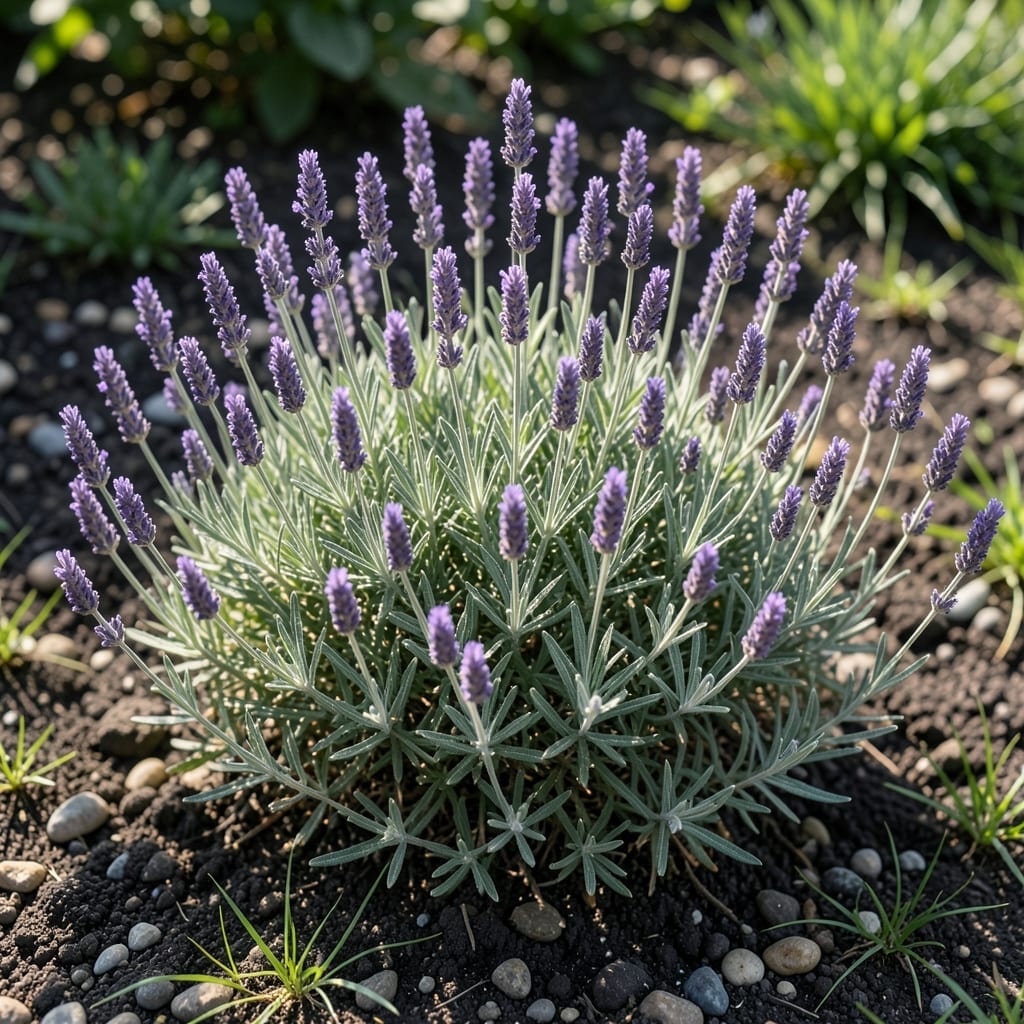
Understanding what happens below the soil is the key to growing lavender that thrives. Many gardeners focus only on the beautiful purple blooms of 🌿 Lavender, not realizing that root depth plays a starring role in plant health.
I’ve seen firsthand how proper planting depth can transform struggling plants into vigorous ones. The secret lies in knowing how far those roots will spread and how deep they’ll go.
Whether you’re planting in the ground or in containers, getting this right means healthier plants with more fragrant flowers. It’s simpler than you might think once you understand the basics.
Let me walk you through what you need to know to give your lavender the best start possible. You’ll be amazed at the difference it makes.
If you’ve ever wondered how deep lavender roots go, you’re not alone. Most gardeners underestimate the extensive root system of this fragrant herb. Lavender develops a deep taproot that can reach 12-24 inches down into the soil.
This deep rooting habit is what makes lavender so drought-tolerant once established. The taproot accesses moisture and nutrients far below the surface, while lateral roots spread outward to stabilize the plant.
| Variety | Root Depth | Notes |
| English Lavender | 18-24 inches | Deepest taproot system |
| French Lavender | 12-18 inches | Moderate depth, wider spread |
| Spanish Lavender | 12-15 inches | Shallowest of common varieties |
The root depth varies by variety, with English lavender developing the deepest roots. This is why it’s so important to choose the right planting location from the start. Shallow soil or containers can restrict root growth and limit your plant’s potential.
For container growing, select pots that are at least 12-16 inches deep to accommodate the root system. In the ground, loosen soil to a depth of 2 feet to give those roots room to grow downward without obstruction.
Remember that young lavender plants start with shallow roots. It takes 2-3 growing seasons for the taproot to fully develop. During this establishment period, consistent moisture is more important than with mature plants.
The lateral root spread can extend 12-18 inches from the base of the plant. This means you should space plants at least 2-3 feet apart to prevent competition and allow for proper air circulation.
Soil type significantly impacts root development. Well-draining sandy or loamy soil encourages deep root growth, while heavy clay can stunt root development. If your soil is dense, consider amending with compost or creating raised beds.
Understanding these root characteristics explains why lavender hates wet feet. The deep taproot needs to breathe, and soggy soil can lead to root rot. Always plant in a spot with excellent drainage to match this plant’s natural preferences.
By accommodating lavender’s natural rooting habits, you’ll create the foundation for healthier plants with more abundant blooms and that signature fragrance we all love. 🌿
Understanding lavender root depth directly impacts how you plant and care for these fragrant beauties. With roots typically reaching 12-24 inches deep, your planting depth and soil prep must accommodate this spread for healthy growth.
For container gardening, choose pots at least 16-20 inches deep to give roots room to grow. In-ground planting should match this depth, with well-draining soil to prevent waterlogging that can harm the extensive root system.
I always recommend amending heavy soil with compost or sand before planting. This mimics the Mediterranean conditions lavender loves, where roots can spread freely without sitting in soggy soil.
For watering practices, remember that deep roots mean you should water less frequently but more thoroughly. A deep soak every 2-3 weeks is better than daily light watering that only wets the surface.
If you’re growing in containers, ensure there are drainage holes at the bottom. Without proper drainage, even the right pot depth won’t save your lavender from root rot.
Finally, mulch lightly around the base but keep it 2-3 inches away from the stem. This maintains soil moisture without suffocating the root crown, which is crucial for lavender’s shallow surface roots.☀️