
Beautiful Plants For Your Interior
Beautiful Plants For Your Interior
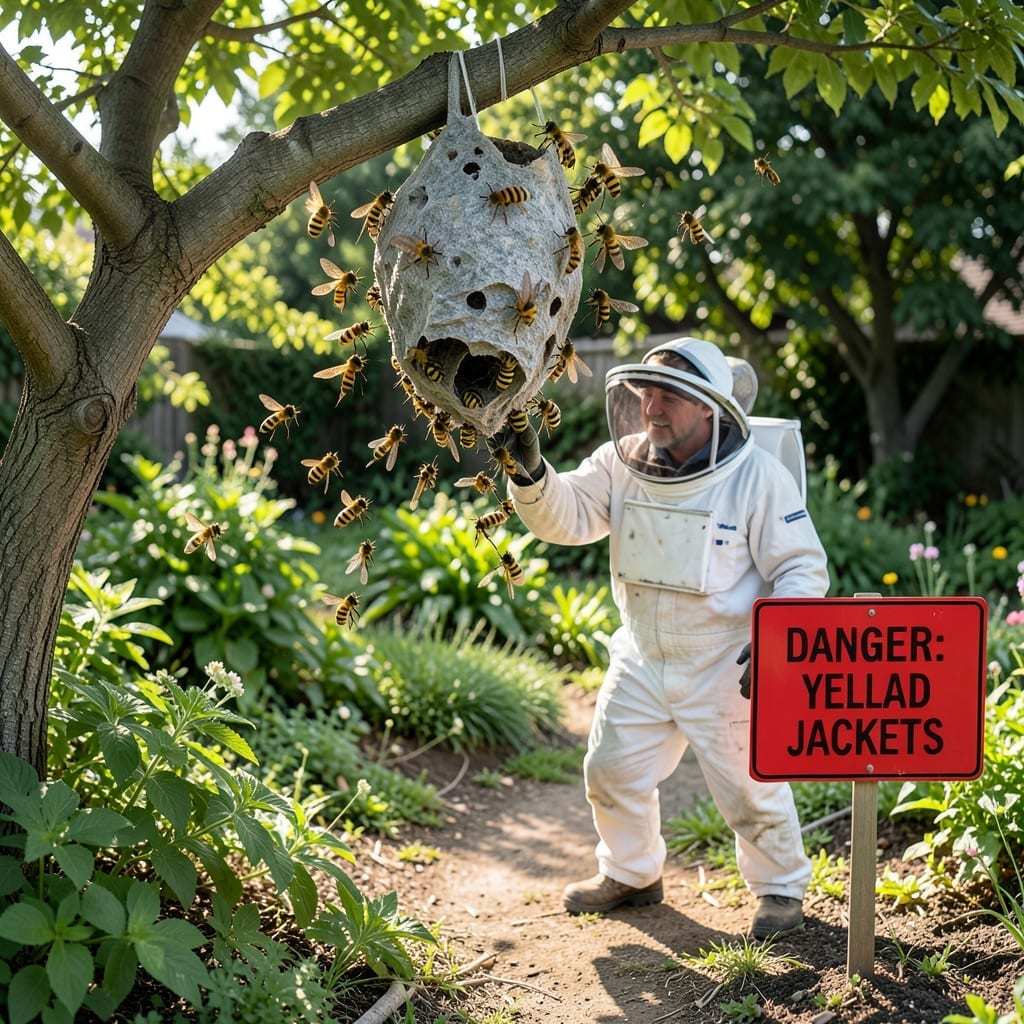
Yellow jackets can be highly dangerous due to aggressive behavior and painful stings that may trigger severe allergic reactions in sensitive individuals, though most healthy adults experience only temporary discomfort.
I’ve seen these insects turn a peaceful picnic into chaos in seconds. Unlike bees, they can sting repeatedly, and their venom contains proteins that can spark anaphylactic shock in allergic individuals. Even without allergies, multiple stings can lead to nausea or swelling that lingers for days. 🔥
Their nests often hide underground or in walls, so you might not realize you’re near one until it’s too late.
💡 In This Article
The venom in a yellow jacket sting contains melittin, phospholipase A2, and hyaluronidase—proteins that break down cell membranes and trigger inflammation. These compounds cause immediate pain and redness at the sting site while signaling the immune system to release histamine, which leads to itching and swelling. 🔥
What makes yellow jackets particularly dangerous is their ability to sting repeatedly, unlike honeybees that lose their stingers. A single yellow jacket can deliver 5-10 stings in rapid succession, injecting more venom each time. This increases the risk of systemic reactions, especially in those with allergies.
For allergic individuals, the immune system overreacts by producing IgE antibodies that bind to venom proteins. This can trigger anaphylaxis within minutes, causing difficulty breathing, swelling of the throat, rapid pulse, and even loss of consciousness. Emergency medical attention is critical if these symptoms appear. ⚡
Even without allergies, multiple stings can be harmful. The cumulative venom dose may lead to nausea, dizziness, or headaches as the body struggles to process the toxins. Children, the elderly, and those with compromised immune systems are at higher risk for severe reactions.
Yellow jacket venom also contains acetylcholine, which amplifies pain signals. This is why their stings often feel more intense than those from other wasps or bees. The pain can persist for 24-48 hours, with localized swelling lasting even longer. ✨
Wash the area with soap and water, then apply a cold compress to reduce swelling. Avoid scratching to prevent infection. Seek medical help immediately if you experience difficulty breathing or swelling of the face and throat.
Unlike bees, they can sting repeatedly without losing their stinger. Their venom contains pain-amplifying compounds, and they’re highly protective of their nests, attacking in swarms if threatened.
For most people, no—but it can be life-threatening for those with allergies. A single sting may trigger anaphylaxis in sensitive individuals, requiring immediate epinephrine and emergency care.
Symptoms beyond local pain and swelling—like hives, dizziness, or trouble breathing—may indicate an allergy. If these occur, see an allergist for testing and consider carrying an epinephrine auto-injector.