
Beautiful Plants For Your Interior
Beautiful Plants For Your Interior
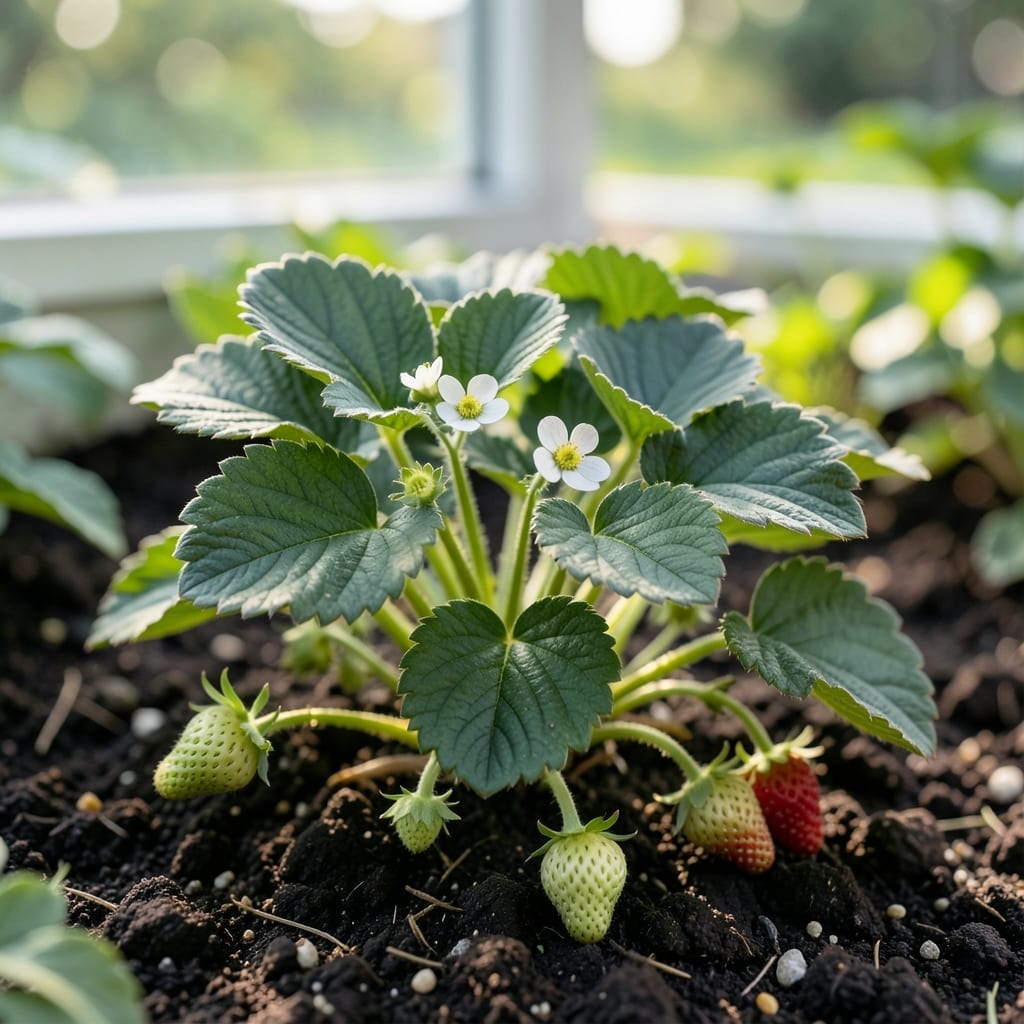
Watching your 🍓 Strawberry patch wilt after an unexpected frost is every gardener’s nightmare. Yet these plants are tougher than they look, surviving temperatures that might surprise you.
From June-bearing to everbearing varieties, each type handles cold differently. Knowing their exact limits could mean the difference between a thriving harvest and a disappointing season.
I’ve learned through trial and error that proper preparation makes all the difference. The most important factor is understanding when to protect your plants and when to let nature take its course.
Discover how to keep your Strawberry plants healthy through every chill. These simple strategies will help you safeguard your investment and enjoy sweet rewards.
I often get asked how cold strawberries can handle, and the answer depends on the variety and its dormancy stage. Most established strawberry plants survive down to 15-20°F (-9 to -7°C) when dormant. 🌱
June-bearing strawberries tend to be the hardiest, tolerating 10-15°F (-12 to -9°C) once fully dormant. Everbearing and day-neutral types are slightly less cold-tolerant, usually down to 20°F (-7°C). ✂️
| Variety | Minimum Temp | Dormancy Needed |
|---|---|---|
| June-bearing | 10-15°F | Yes |
| Everbearing | 20°F | Partial |
| Day-neutral | 20°F | Partial |
Newly planted strawberries are more vulnerable, often damaged at 25°F (-4°C) or below. Their shallow root systems lack the insulation of mature plants. I always recommend mulching new plantings heavily before winter. 🌿
In USDA zones 4-6, strawberries typically enter dormancy after the first hard frost. This natural state protects them from freezing temperatures. Without dormancy, even 25°F (-4°C) can cause serious damage. ☀️
Frost damage often appears as blackened leaves or mushy fruit. I’ve seen this happen when unexpected late frosts hit after warm spells. The plants usually recover if the crown remains intact. 🌱
For container-grown strawberries, the rules change slightly. Their roots are more exposed, so I suggest moving pots to sheltered locations when temps drop below 25°F (-4°C). Insulating wraps also help. 🪴
In my experience, strawberry crowns are the most cold-hardy part. They can survive 10°F (-12°C) if properly mulched. The flower buds, however, are much more sensitive and may die at 28°F (-2°C). ✂️
Alpine strawberries are an exception, often surviving down to 0°F (-18°C). These tiny but hardy plants are perfect for cold climates where other varieties struggle. I love their resilience! 🌿
Remember that temperature fluctuations are often worse than steady cold. A hard freeze after a warm period can be more damaging than consistent sub-freezing temps. Always monitor the weather forecast closely. 🌡️
Strawberries are surprisingly cold-hardy plants, but their tolerance varies by type. Most established strawberry plants can survive temperatures down to 15-20°F (-9 to -7°C) without damage when dormant.
June-bearing strawberries are the hardiest, often enduring brief dips to 10°F (-12°C). However, everbearing and day-neutral varieties are more sensitive and may suffer at 20°F (-7°C) or below.
| Variety | Minimum Temp | Notes |
|---|---|---|
| June-bearing | 10°F (-12°C) | Hardiest when dormant |
| Everbearing | 20°F (-7°C) | Needs winter protection |
| Day-neutral | 20°F (-7°C) | Sensitive to late frosts |
Newly planted strawberries are more vulnerable. I recommend protecting them when temperatures drop below 25°F (-4°C) during their first winter. Dormancy plays a key role in survival.
In USDA zones 4-6, strawberries often enter dormancy naturally. But in milder zones (7-9), they may need artificial chilling to trigger this protective state.
Remember that flower buds are the most frost-sensitive part. Even light frosts (32°F/0°C) can damage open blossoms, reducing your harvest.
For best results, I always monitor weather forecasts and have frost protection ready when temps approach these thresholds. A little preparation can save your entire strawberry crop 🌱