
Beautiful Plants For Your Interior
Beautiful Plants For Your Interior
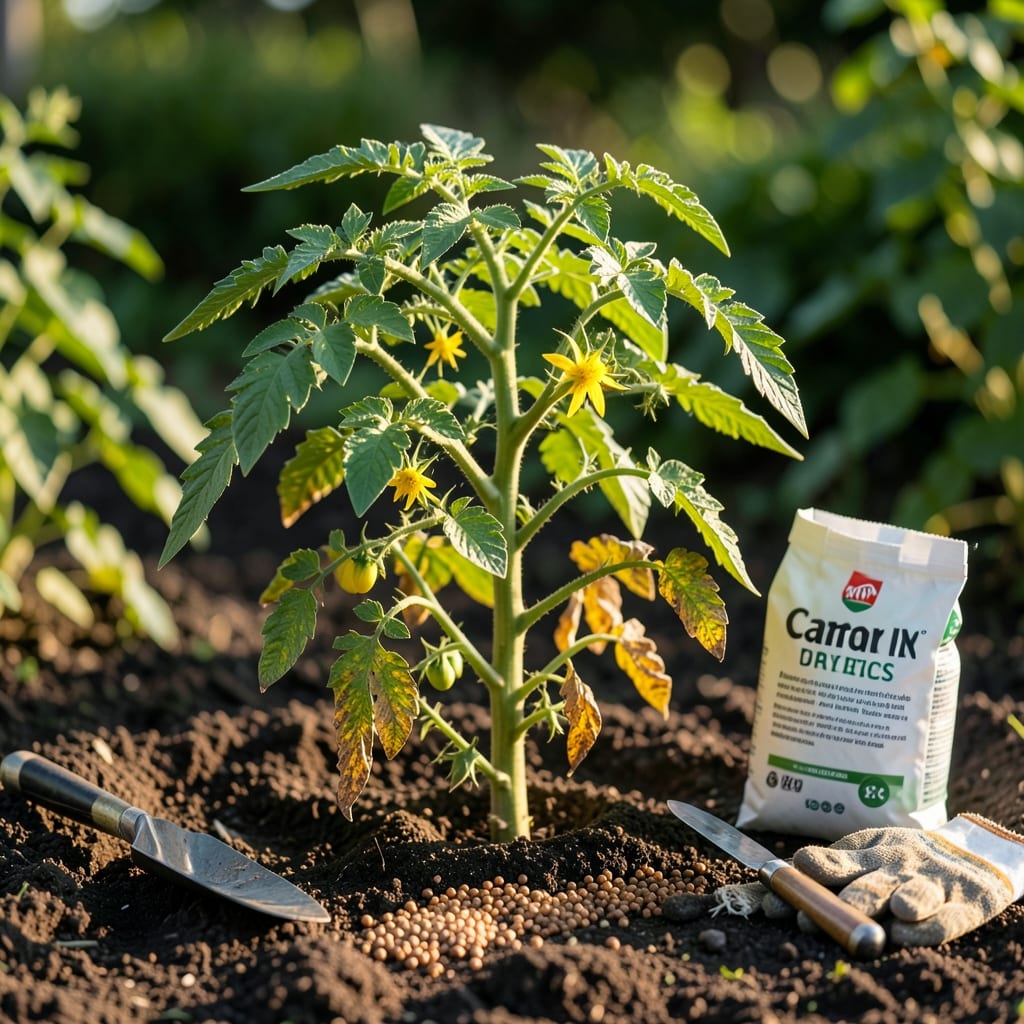
Plants adapt by increasing root growth to absorb more nitrogen, forming symbiotic relationships with nitrogen-fixing bacteria, and reallocating internal nitrogen from older to younger leaves for continued growth.
I’ve seen firsthand how plants prioritize survival through clever internal strategies. They’ll stretch their roots deeper and wider to scavenge every last bit of available nitrogen, while some form partnerships with soil microbes that literally create this nutrient from thin air. 🌱 Even more fascinating, they’ll cannibalize their own older foliage to feed new growth, ensuring the most critical parts keep thriving.
💡 In This Article
When soil nitrogen runs low, plants trigger a cascade of internal changes. The root system undergoes rapid expansion, growing up to 30-50% more in length and branching to explore a larger soil volume. This isn’t random growth—it’s directed by hormonal signals like auxin that concentrate in root tips, stimulating cell division in nitrogen-poor zones. 🌱
Simultaneously, plants activate nitrogen-scavenging enzymes like nitrate reductase, which becomes 5-10 times more active under deficiency. These enzymes convert any available nitrogen compounds into forms the plant can use. The process is energy-intensive, with studies showing plants may allocate up to 20% of their photosynthetic output to root growth and nitrogen acquisition during shortages.
Older leaves become nitrogen donors through a process called remobilization. Proteins in mature foliage are broken down into amino acids, which travel through the phloem to developing tissues. This internal recycling can supply up to 60% of a young leaf’s nitrogen needs during deficiency.
The trade-off appears as yellowing lower leaves—a visual signal of the plant’s survival strategy. ✨
Some species take this further by forming symbiotic relationships with soil bacteria like Rhizobia. These microbes colonize root nodules, fixing atmospheric nitrogen into ammonia at rates of 50-200 lbs per acre annually.
The plant provides carbohydrates to the bacteria in return, creating a mutually beneficial exchange that can fulfill 30-80% of the host plant’s nitrogen requirements.
Chlorophyll production also adapts. Plants reduce chlorophyll synthesis in older leaves while maintaining it in new growth. This selective investment ensures the most photosynthetically active tissues receive priority access to limited nitrogen resources, maximizing the plant’s ability to produce energy despite the deficiency. 💫
Yellowing of older leaves, starting at the tips and working inward, is the classic sign. The veins often stay green as the tissue between them turns yellow. Growth may also slow significantly.
With proper nitrogen sources, you may see new green growth within 7-14 days. Full recovery, especially for severely deficient plants, can take 3-4 weeks as older leaves won’t regain their color.
Legumes like beans, peas, and clover form partnerships with Rhizobia bacteria. These plants can fix 50-200 lbs of nitrogen per acre annually, making them excellent soil builders.
Yes, excessive nitrogen causes rapid, weak growth that’s susceptible to pests and disease. It can also delay flowering and fruiting while polluting water systems through runoff.