
Beautiful Plants For Your Interior
Beautiful Plants For Your Interior
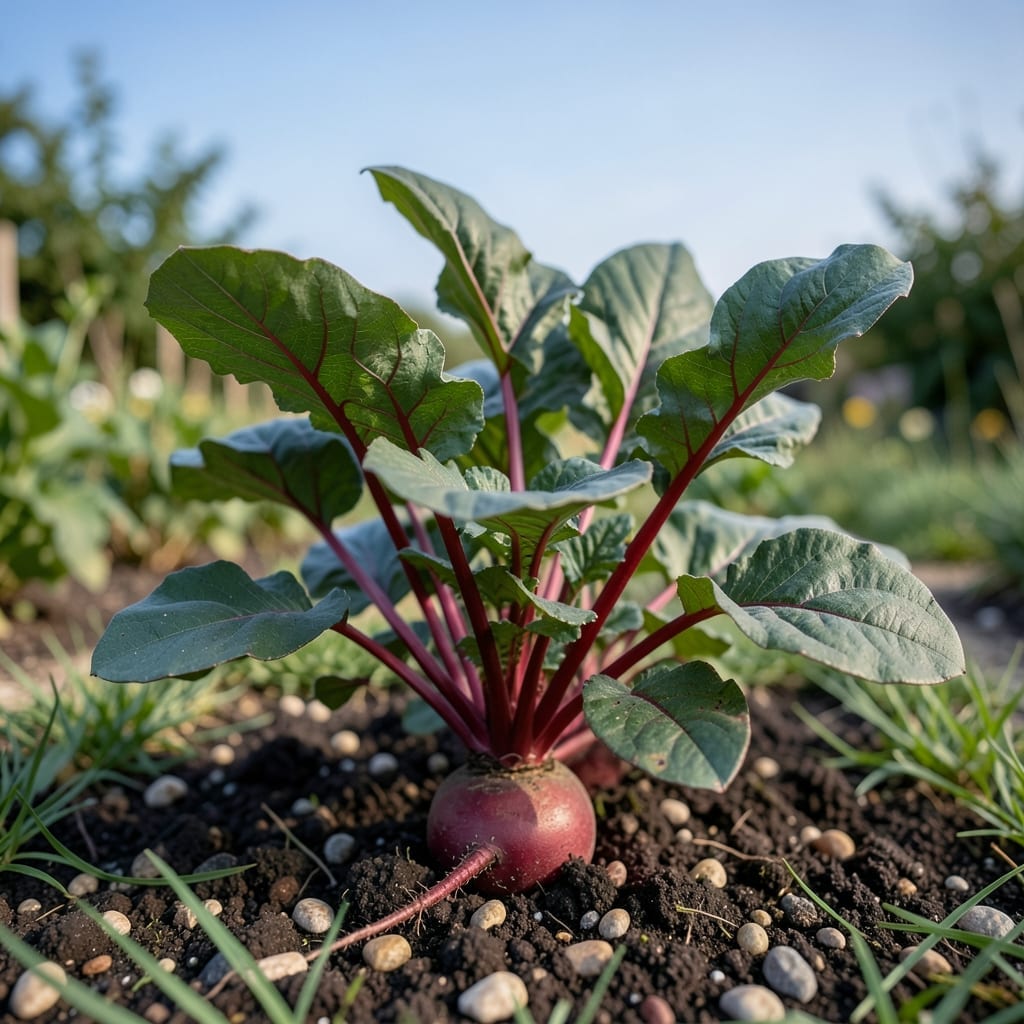
Whether you’re planning your first garden or optimizing your harvest, knowing the average size of a 🥬 Beet helps you plant, space, and expect the right yields.
Beets come in surprising variations that can impact your growing strategy. From tiny baby beets to full-grown roots, size matters for both flavor and harvest timing.
I’ll show you what to expect from 50-70 days of growth and how to recognize when your beets are ready to pull from the soil. Let’s dig in.
When I first started growing beets, I was surprised by how much their mature size could vary. Most gardeners find that standard beets reach about 1-3 inches in diameter at harvest time.
However, baby beets can be harvested as small as 1 inch, while some heirloom varieties like Mangel can grow up to 6 inches or more under ideal conditions.
🌱 Average Beet Sizes by Variety
| Variety | Mature Diameter | Weight Range |
|---|---|---|
| Detroit Dark Red | 2-3 inches | 2-4 oz |
| Golden Beet | 2-3 inches | 3-5 oz |
| Chioggia | 1.5-2.5 inches | 2-3 oz |
| Babybeat | 1-1.5 inches | 1-2 oz |
The root portion isn’t the only part that grows – beet greens can reach 12-18 inches tall with proper care. I’ve found that thinning seedlings to 3-4 inches apart helps achieve these sizes.
For container gardening, I recommend sticking to smaller varieties like Babybeat or Little Mini, which typically max out at 1.5 inches in diameter. These do well in 8-10 inch deep pots.
Growth rate also varies by variety. Most beets take 50-70 days to reach mature size, but I’ve noticed that Golden Beets often grow slightly faster than red varieties in my garden.
If you’re growing for greens rather than roots, you can harvest the outer leaves when they’re 4-6 inches tall, allowing the center leaves to continue growing. This won’t affect the root development significantly.
I’ve learned that soil type can impact final size. In my clay-heavy soil, beets tend to stay on the smaller side unless I amend with compost. In loamy soil, they often reach their full potential size.
Remember that overcrowding is a common reason for stunted beets. When I first started, I made the mistake of not thinning enough, and ended up with many tiny roots instead of fewer, full-sized beets.
For the best flavor and texture, I recommend harvesting when beets are 1.5-2.5 inches in diameter. At this size, they’re tender and sweet, not woody or tough. 🌱
In my experience, beet size depends on several key factors. Soil quality tops the list – loose, well-draining soil allows roots to expand fully. I’ve seen clay soil restrict beets to 1 inch or less.
Spacing matters just as much. When I plant Detroit Dark Red seeds, I thin to 3-4 inches apart for 2-3 inch roots. Crowded beets stay small and woody.
🌱 Top 5 Size Influencers
Sunlight is another critical factor. My Golden Beets in full sun consistently outsize those in partial shade. Aim for 6+ hours daily for maximum growth.
Water consistency affects size too. I’ve found that 1 inch per week keeps roots plump. Too little water leads to small, tough beets, while too much can cause cracking.
The variety you choose sets the baseline. Mangel beets can reach 6+ inches, while Babybeat tops out at 1.5 inches. Check seed packets for mature size expectations.
Finally, harvest timing controls final size. For tender beets, I pull them at 1.5-2 inches. Left too long, they become woody and bitter. Most varieties reach this in 50-60 days. 🌱